- Universities have started admitting first-year students for 2026/2027 even as the government’s new funding model remains
- Machakos University has received over 3,000 first-years, with Vice-Chancellor Joyce Agalo confirming hostel fees are being collected while other charges await clarification.
- The government has proposed the Tertiary Education, Placement and Funding Bill, 2026, to merge HELB, the Universities Fund and the TVET Fund under one authority.
Universities across the country have begun admitting first-year students for the 2026/2027 academic year, even as uncertainty continues to surround how the government will finance their studies under a newly proposed funding arrangement.
Institutions are proceeding with registration despite the absence of detailed guidelines on how tuition and other charges will be settled once the new system takes effect. The government has indicated that students joining universities from September 2026 will benefit from a revised financing model under which tuition and upkeep support will be provided by the State.
However, universities say they are yet to receive comprehensive instructions on how the arrangement will affect fee payments, leaving both institutions and families seeking clarity.
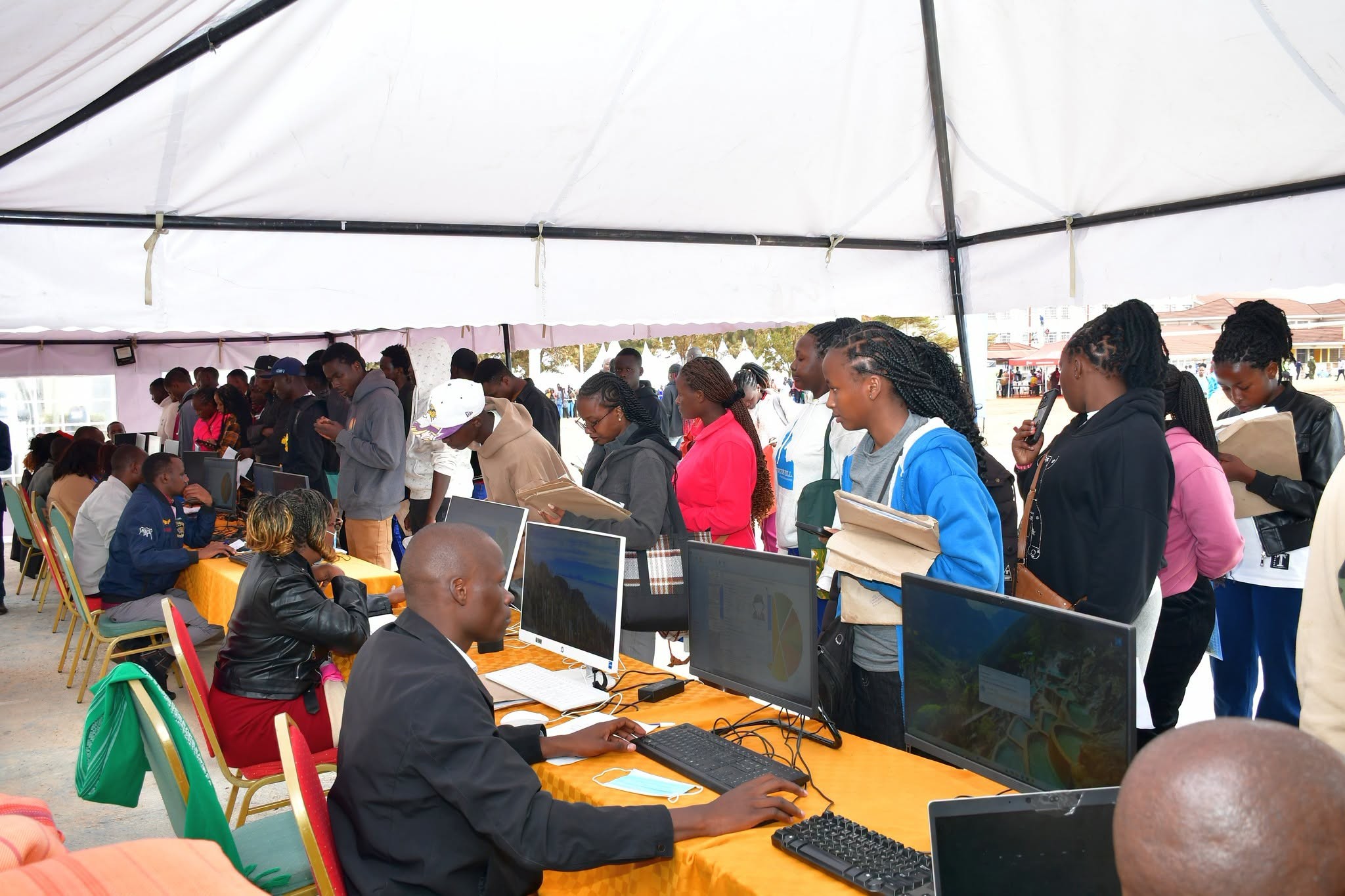
At Machakos University, more than 3,000 first-year students had reported by Tuesday as registration continued. Vice-Chancellor Joyce Agalo said the institution was moving ahead with admissions despite the unresolved questions surrounding fees.
“We are receiving all our students even as we wait for the issue of fees to be cleared. Whatever amount they have come with, especially for hostels, is what we are currently asking them to pay, but for the other fees, we are waiting for communication,” she said.
ALSO READ:
Bomet University freshers face accommodation crisis as 3,889 students report
The uncertainty has left parents seeking assurances that their children will not face difficulties accessing learning once the semester gets underway. Some students have also raised concerns over broader challenges affecting higher education financing, including delays in disbursements from the Higher Education Loans Board (HELB).
The changes are being pursued through the Tertiary Education, Placement and Funding Bill, 2026, which proposes merging HELB, the Universities Fund and the TVET Fund under a new Tertiary Education Funding Authority. The proposed framework seeks to overhaul how students are supported and how public funds are channelled to institutions.
Lessons for secondary school learners from Prof. Elisha Ongoya’s journey to the bar
The government is also weighing a shift in university financing away from direct budgetary allocations towards a market-based financing model starting in October.
As the proposed framework remains under discussion, universities are continuing to admit new students while awaiting further direction on financing. For incoming students and their parents, the central concern remains how the new system will translate into actual fee payments and upkeep support once the academic year is fully underway.
By Jonathan Mwinzi
Get more stories from our website: Education News
To write to us or offer feedback, you can reach us at: editor@educationnews.co.ke
You can also follow our social media pages on Twitter: Education News KE and Facebook: Education News Newspaper for timely updates.
>>> Click here to stay up-to-date with trending regional stories