- CS Ogamba has hinted at a new funding model that prioritises students’ career aspirations and programme costs over parents’ wealth.
- The government has proposed the Tertiary Education Placement and Funding Bill to establish TEFA and consolidate funding functions under one authority.
- The current model has disadvantaged students in costly courses, forcing some to switch programmes or abandon studies.
Education Cabinet Secretary Julius Migos Ogamba has announced that the government is developing a new tertiary education funding framework that will prioritise students’ career aspirations and programme costs rather than the financial status of their parents.
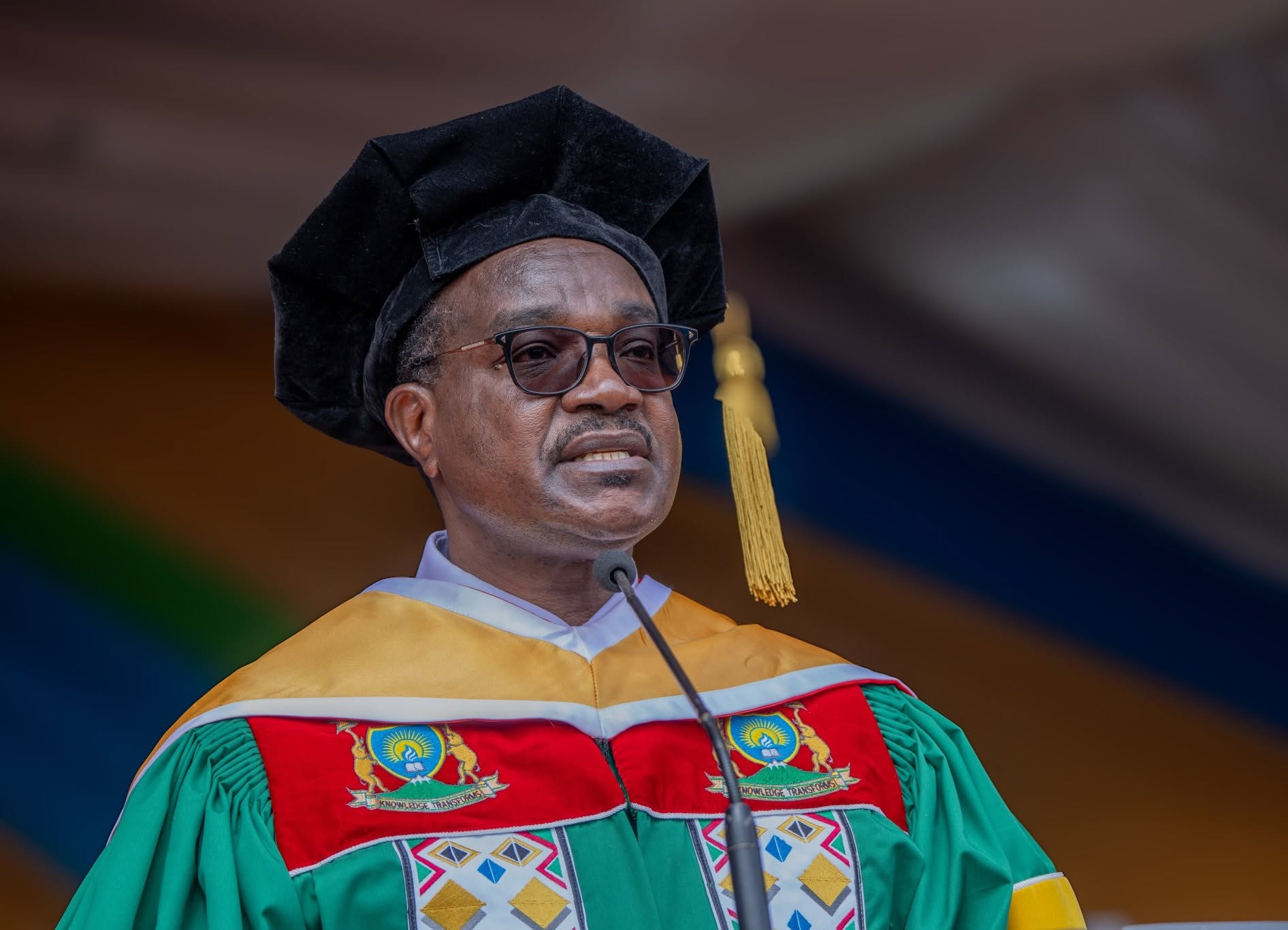
Speaking during the University of Embu’s 11th graduation ceremony, Ogamba said the proposed Universal Student Funding Model is intended to replace the Student‑Centred Funding Model (SCFM), which was introduced in 2023 but has faced challenges.
Under the current system, students are assessed through a Means Testing Instrument that considers the socio‑economic circumstances of parents or guardians before placing them in funding bands. Scholarships and loans are then allocated depending on the band and programme cost, with families expected to meet part of the expenses.
Ogamba noted that this approach has disadvantaged students pursuing costly courses such as medicine and engineering, forcing some to switch to cheaper programmes or abandon their studies altogether.
ALSO READ:
Governor Arati launches Etaya Tournament to harness youth talents and promote unity
The new model seeks to provide funding based on the actual cost of a student’s programme, covering tuition, accommodation and upkeep. Financing will be offered through a mix of scholarships and loans, with repayment expected after graduates secure employment.
The proposed Tertiary Education Placement and Funding Bill, 2026, also aims to establish the Tertiary Education Funding Authority (TEFA), which will consolidate funding functions currently handled by different agencies. The framework is expected to mobilise additional resources from government and partners to expand access to tertiary education.
KSh18 billion in school accounts? President’s claim meets questions over supplier debts
Ogamba said the new approach will ensure that students’ academic ability and career choices are not limited by their parents’ financial circumstances. He added that aligning funding with programme costs will also help address financial challenges facing universities and technical and vocational institutions.
The proposal, however, remains subject to parliamentary debate, with questions raised about its sustainability and the extent of government support.
By Jeff Kirui
Get more stories from our website: Education News
To write to us or offer feedback, you can reach us at: editor@educationnews.co.ke
You can also follow our social media pages on Twitter: Education News KE and Facebook: Education News Newspaper for timely updates.
>>> Click here to stay up-to-date with trending regional stories