- Ashford Kimani sees Lentoijoni’s proposed career pathways as offering renewed hope to long-serving classroom teachers.
- The approach could allow professional advancement without compelling accomplished teachers to move into school administration.
- Kimani argues that transparent progression, adequate funding and automation could restore confidence in the teaching profession.
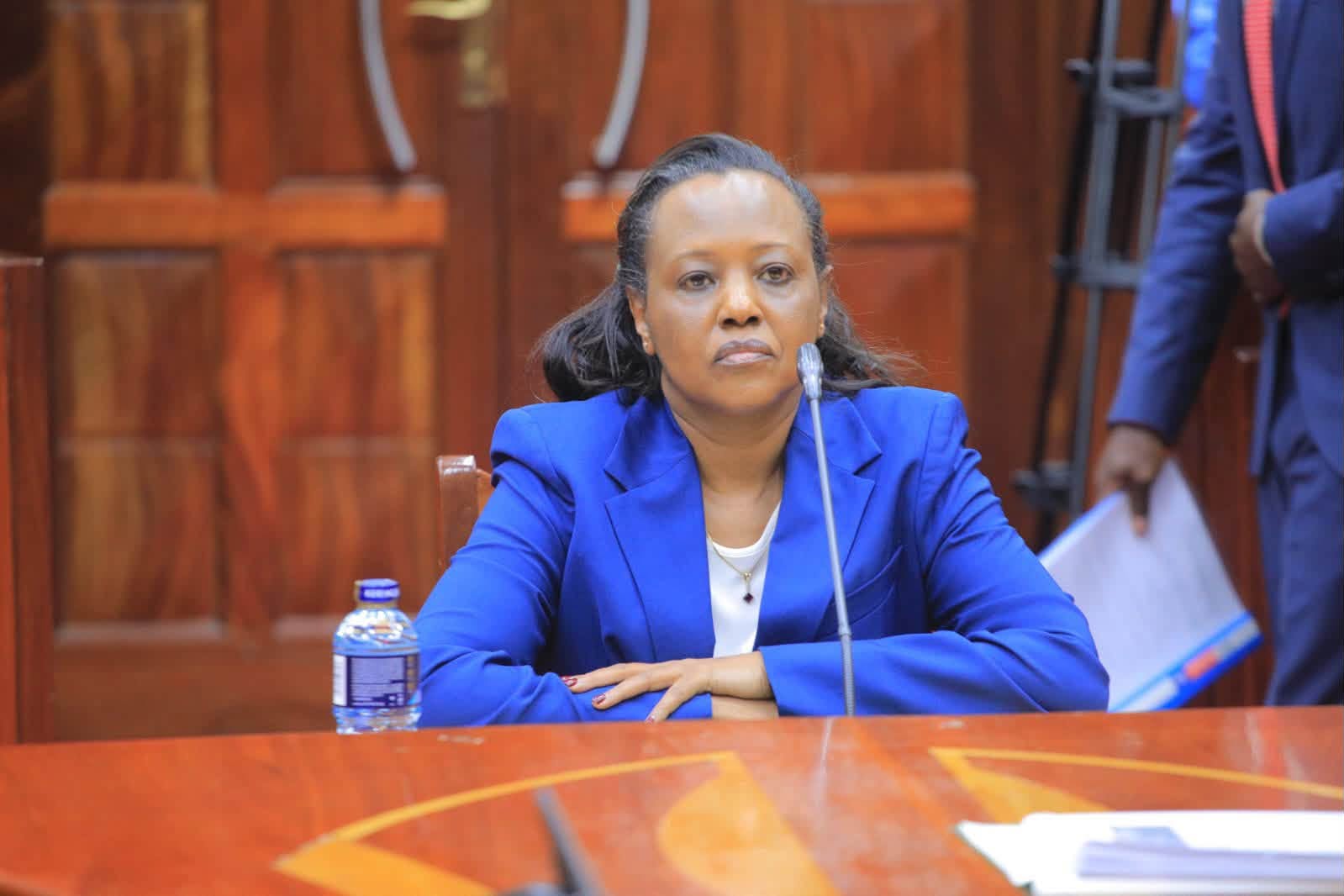
I do not know Commissioner nominee Antonina Lentoijoni in person. However, during our sub-county workshops, our TSC Sub-County Director has mentioned her name and her work extensively. From those conversations, I have gradually come to associate Antonina Lentoijoni with good intentions, courage and, most importantly, a willingness to confront some of the difficult questions affecting Kenya’s teaching profession.
Her recent views on teacher career progression have only strengthened that impression. At a time when thousands of teachers have experienced prolonged stagnation in their career grades, her intervention offers a refreshing perspective and a possible pathway towards restoring hope in the profession.
For many teachers, career progression has become one of the most sensitive issues in the education sector. A teacher can spend years gaining experience, pursuing professional development, accepting additional responsibilities and dedicating himself or herself to learners, yet remain in the same grade for an extended period. Such stagnation is not merely a financial concern. It is also about professional recognition, morale, dignity and the feeling that one’s contribution to education is being valued. When a teacher works for years without seeing a realistic path towards professional advancement, frustration inevitably develops.
It is against this background that Lentoijoni’s proposal that teachers should be able to advance professionally without necessarily leaving classroom teaching deserves serious attention. I find this idea particularly compelling because it challenges an assumption that has for years shaped the careers of many teachers: that the only meaningful route to professional advancement eventually leads to administration. But why should an excellent classroom teacher have to become a deputy headteacher, headteacher or principal simply because he or she wants to rise professionally? Teaching and administration are different competencies, and excellence in one does not automatically translate into excellence in the other.
Kenya needs to recognise that a great classroom teacher is already a professional leader. A teacher who consistently inspires learners, improves academic outcomes, mentors colleagues, develops innovative teaching approaches, supports struggling learners and contributes to curriculum implementation is making an enormous contribution to the education system. Such a teacher should be able to progress without being forced away from the classroom. The classroom should not be treated as a dead end in a teacher’s career. Instead, it should be recognised as one of the most important places where professional excellence can be demonstrated.
This is why the proposed two-pathway approach is so important. Teachers who want to pursue administration should have a clear leadership pathway, while those whose passion and strength lie in classroom practice should have an equally respected professional teaching pathway. Such an arrangement would acknowledge that teachers have different talents, ambitions and professional aspirations. It would also create a career structure that rewards excellence rather than simply rewarding movement into administrative offices.
I believe this is one area where Lentoijoni’s thinking could have a profound impact on the teaching profession if it eventually becomes policy. For too long, the conversation around teacher promotion has sometimes focused more on vacancies and available positions than on professional growth. Yet a career progression framework should give teachers a clear understanding of what they need to do to advance. Experience, qualifications, competence, performance, professional contribution and commitment should all have meaningful places in the equation.
Teacher stagnation has consequences for the entire education system. A frustrated teacher may gradually lose enthusiasm for professional development. An educator who feels that additional responsibilities and qualifications are not recognised may question the value of going the extra mile. Conversely, when teachers see a transparent career path, they have a greater incentive to improve themselves professionally. Career progression can therefore become an instrument for improving the quality of teaching rather than simply a mechanism for increasing salaries.
Career structure must evolve
Lentoijoni’s emphasis on reform is therefore coming at an important moment in Kenya’s education history. The country is implementing Competency-Based Education, and the expectations placed on teachers have changed considerably. Teachers are now expected to facilitate learning, nurture competencies, undertake continuous assessment, identify individual learner needs, integrate technology and support holistic development. The teacher of today is operating in a considerably more complex environment than the teacher of previous generations. The career structure must therefore evolve alongside the profession.
I am also encouraged by the proposal to automate recruitment and promotion processes. A properly designed digital system could significantly improve transparency and accountability within teacher management. Every teacher should ideally have a clear digital career record showing qualifications, grade, years served, professional development and progression status. Such a system could reduce uncertainty and enable TSC to identify where and why teachers are stagnating. It could also minimise unnecessary bureaucracy and make the promotion process more predictable.
However, technology alone will not solve the problem. There is no point digitising an unfair system. The policies behind the digital platform must themselves be transparent, equitable and professionally sound. Automation should make a good system better, not merely make an existing problem faster.
Funding will also remain a critical component of any meaningful reform. Teacher promotions have financial implications because movement to higher grades comes with increased remuneration. TSC, Parliament and the National Treasury must therefore recognise teacher career progression as an investment in education. The country cannot demand greater professionalism from teachers while failing to provide realistic opportunities for professional advancement. Investing in teachers is investing in learners, schools and the future of Kenya.
Hope for meaningful reform
This is why I sincerely hope Antonina Lentoijoni successfully navigates the parliamentary vetting process and eventually joins the Teachers Service Commission as a commissioner. I hope Parliament will look beyond the immediate headlines and examine the value that her ideas, experience and reform-minded approach could bring to the Commission. Kenya needs people within its education institutions who are prepared to question established practices respectfully, identify gaps and propose practical solutions.
Of course, no individual commissioner can transform TSC alone. Reform requires collective responsibility, adequate resources, consultation with teachers and their unions, sound policy and committed implementation. But institutions also benefit from individuals who bring fresh thinking and the courage to initiate difficult conversations. Lentoijoni’s intervention on teacher progression suggests that she could be such a voice.
I particularly hope that her consideration by Parliament becomes an opportunity for a broader national conversation about what we want the teaching profession to look like in the next decade. Do we want teachers to remain trapped in grades because administrative vacancies are limited? Do we want talented classroom practitioners to feel that the only way to progress is to leave teaching? Or do we want a professional service in which excellence in the classroom is recognised and rewarded?
My answer is unequivocal. Kenya needs the latter.
I may not know Antonina Lentoijoni personally, but the positive impression created by the way her name has been spoken about during our sub-county engagements, coupled with the reform ideas she has now put forward, gives me considerable optimism. Her proposal speaks directly to a problem that many teachers understand intimately: the frustration of working hard while the career ladder appears permanently out of reach.
I therefore wish Antonina Lentoijoni every success as she faces parliamentary vetting. I hope she passes the test and gets the opportunity to serve Kenya’s teachers from within the Teachers Service Commission. More importantly, I hope she will retain the courage to champion reforms that place professional growth, fairness, transparency and dignity at the centre of teacher management.
The ultimate test of any reform will be the teacher who finally sees a future in the profession; the classroom practitioner who can rise professionally without abandoning teaching; the experienced educator who feels recognised rather than forgotten; and the young teacher who joins TSC employment knowing that dedication and competence can lead somewhere.
READ ALSO: BoM workers: Some schools lead with dignity while others leave staff struggling
That is the kind of teaching profession Kenya deserves. And if Antonina Lentoijoni gets the opportunity to serve as a TSC commissioner, I sincerely hope she will be among those who help build it. I wish her well in the parliamentary vetting process and, above all, hope that she gets the opportunity to turn these promising ideas into reforms that can finally begin to end the culture of teacher stagnation.
By Ashford Kimani
Ashford Kimani is a teacher of English and Literature and writes on education and social affairs.
You can also follow our social media pages on Twitter: Education News KE and Facebook: Education News Newspaper for timely updates.
>>> Click here to stay up-to-date with trending regional stories
>>> Click here to read more informed opinions on the country’s education landscape
>>> Click here to stay ahead with the latest national news.