- Kenya is accelerating efforts to prevent maternal and newborn deaths through targeted interventions in high-burden counties.
- First Lady Rachel Ruto says coordinated action is essential to ensure women survive pregnancy and childbirth.
- New investments target health workers, essential commodities, emergency obstetric care and stronger community referral systems.
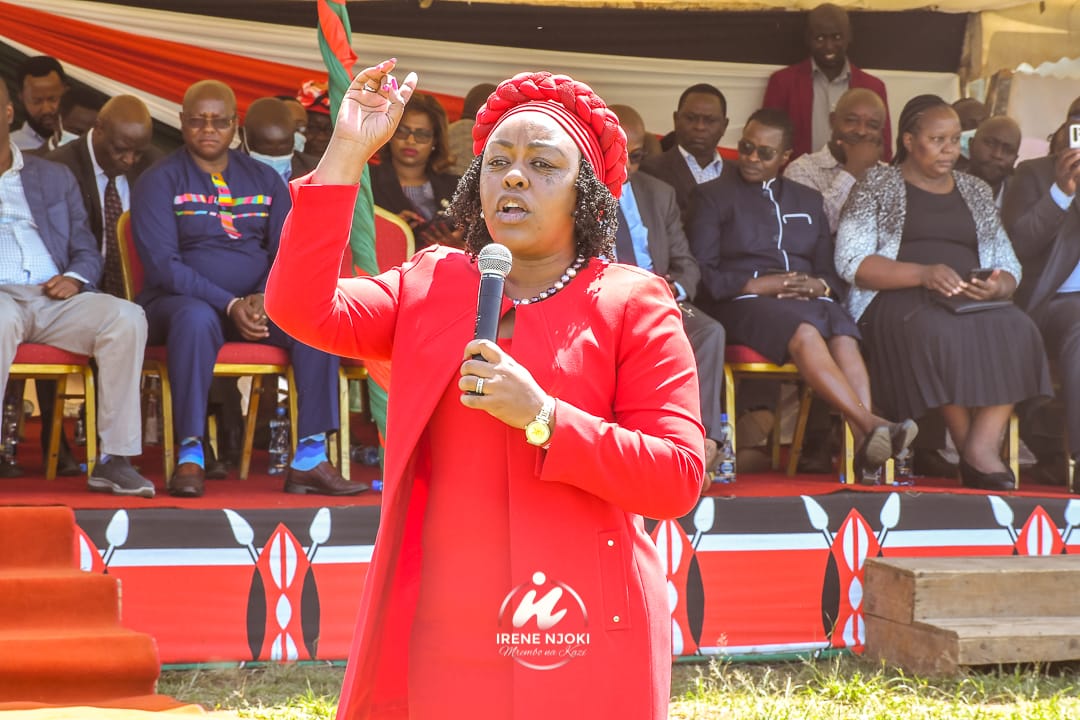
Kenya is intensifying its efforts to eliminate preventable maternal and newborn deaths, with First Lady Rachel Ruto calling for sustained, coordinated action to ensure that no woman loses her life during childbirth.
The renewed focus on maternal health comes as the country records encouraging progress in improving survival outcomes for mothers and infants. According to KTN News, 195 maternal deaths and 1,132 infant deaths were averted over the past year, signalling measurable gains from ongoing interventions aimed at strengthening maternal and newborn healthcare systems.
Despite these improvements, Kenya’s maternal mortality burden remains unacceptably high, making the reduction of preventable deaths one of the country’s most urgent public health priorities.
The national conversation has increasingly shifted from expanding access to healthcare alone to ensuring that women receive timely, high-quality and affordable care throughout pregnancy, childbirth and the postnatal period.
Accelerating maternal and newborn survival
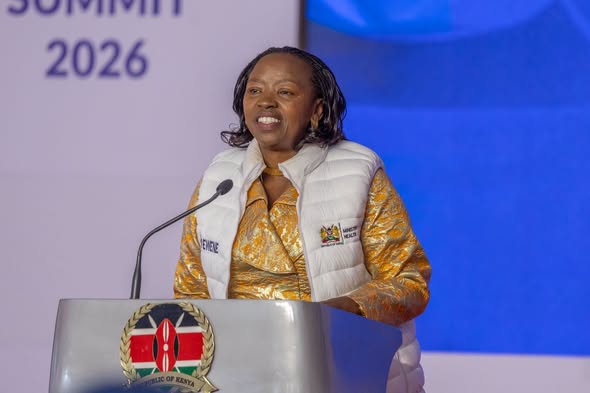
In response, the Government has launched an accelerated programme under the Every Woman Every Newborn Everywhere (EWENE) Acceleration Plan 2026–2028, aimed at rapidly reducing preventable maternal and newborn deaths.
The initiative is further supported by a six-month Maternal and Newborn Health Rapid Results Initiative running through November 2026, with a target of reducing preventable maternal and newborn deaths by 15 per cent within the period.
At the core of the strategy is the recognition that most maternal deaths are preventable. They are often linked to complications that can be effectively managed when women access healthcare facilities in time and receive appropriate treatment.
Postpartum haemorrhage, obstructed labour, hypertensive disorders and infections remain among the leading threats to maternal survival.
Recent analysis of Kenya’s maternal health situation identifies postpartum haemorrhage as the leading cause of maternal mortality, accounting for approximately 40 per cent of deaths, followed by obstructed labour and eclampsia.
This underscores the critical need for skilled health personnel, well-equipped emergency obstetric services, adequate blood supplies, essential medicines and efficient referral systems.
Billions directed towards maternal healthcare
The Government has responded by increasing investment in maternal healthcare through the Social Health Authority, alongside additional funding for essential commodities and family planning services.
The national plan includes an additional KSh4 billion through SHA to expand maternal healthcare coverage, KSh1 billion for essential maternal and newborn health commodities, KSh2.5 billion for family planning supplies, and the recruitment and deployment of 5,000 nurses and midwives.
Resources are also being directed to counties with the highest burden of maternal and newborn deaths.
President William Ruto has previously stated that the Government is prioritising 26 high-burden counties while strengthening emergency obstetric and newborn care at last-mile health facilities. The strategy also includes deploying Community Health Promoters and Community Health Assistants to enhance early identification and timely referral of women requiring specialised care.
For Rachel Ruto, the maternal health agenda carries both a national and deeply personal significance.
The First Lady has emerged as a prominent advocate for women, children and family health, championing initiatives aimed at improving access to healthcare and safeguarding mothers and newborns.
The Government’s campaign is set against a backdrop of statistics that continue to highlight the scale of the challenge. Previous national health assessments estimate Kenya’s maternal mortality ratio at approximately 355 deaths per 100,000 live births, translating to thousands of preventable maternal deaths each year.
The challenge, therefore, is not only to celebrate lives saved, but to ensure that progress is sustained and equitably reaches women across all regions of the country.
Closing gaps in maternal care
For women in remote and underserved areas, barriers such as long distances to health facilities, transport challenges, shortages of health workers, inadequate equipment and delays in referrals can quickly turn manageable complications into life-threatening emergencies.
Experts continue to emphasise the importance of strengthening antenatal care, skilled birth attendance, emergency obstetric and newborn care, family planning services, referral systems, and reliable supplies of medicines and blood.
The Government is also working to improve the accuracy of maternal death reporting. President Ruto has indicated that Kenya is transitioning towards a more precise Reproductive Age Mortality Survey approach, which will help determine who is dying, where deaths are occurring and the underlying causes.
This data-driven approach is expected to play a critical role in guiding resource allocation to the most affected communities and health facilities.
The reported 195 maternal deaths averted therefore represent more than a statistic. Each life saved reflects a mother returning to her family, children retaining their caregiver and communities spared preventable loss.
However, the remaining burden underscores that Kenya cannot afford complacency.
The true measure of the current maternal health drive will be its sustainability, its ability to reduce disparities between counties, and its success in ensuring that every pregnant woman—regardless of income or location—has access to safe, timely and quality maternity care.
READ ALSO: Bahati MP urges enforcement of school reporting hours after alleged acid attack
As Kenya advances towards its 2026–2028 maternal and newborn survival targets, the central message of the national campaign remains clear: saving mothers must translate from policy commitment into consistent, measurable outcomes in every health facility and community.
By Hillary Muhalya
Get more stories from our website: Education News
To write to us or offer feedback, you can reach us at: editor@educationnews.co.ke
You can also follow our social media pages on Twitter: Education News KE and Facebook: Education News Newspaper for timely updates.
>>> Click here to stay up-to-date with trending regional stories
First Lady Rachel Ruto speaks during a past engagement on women’s and family wellbeing as Kenya intensifies efforts to reduce preventable maternal and newborn deaths.