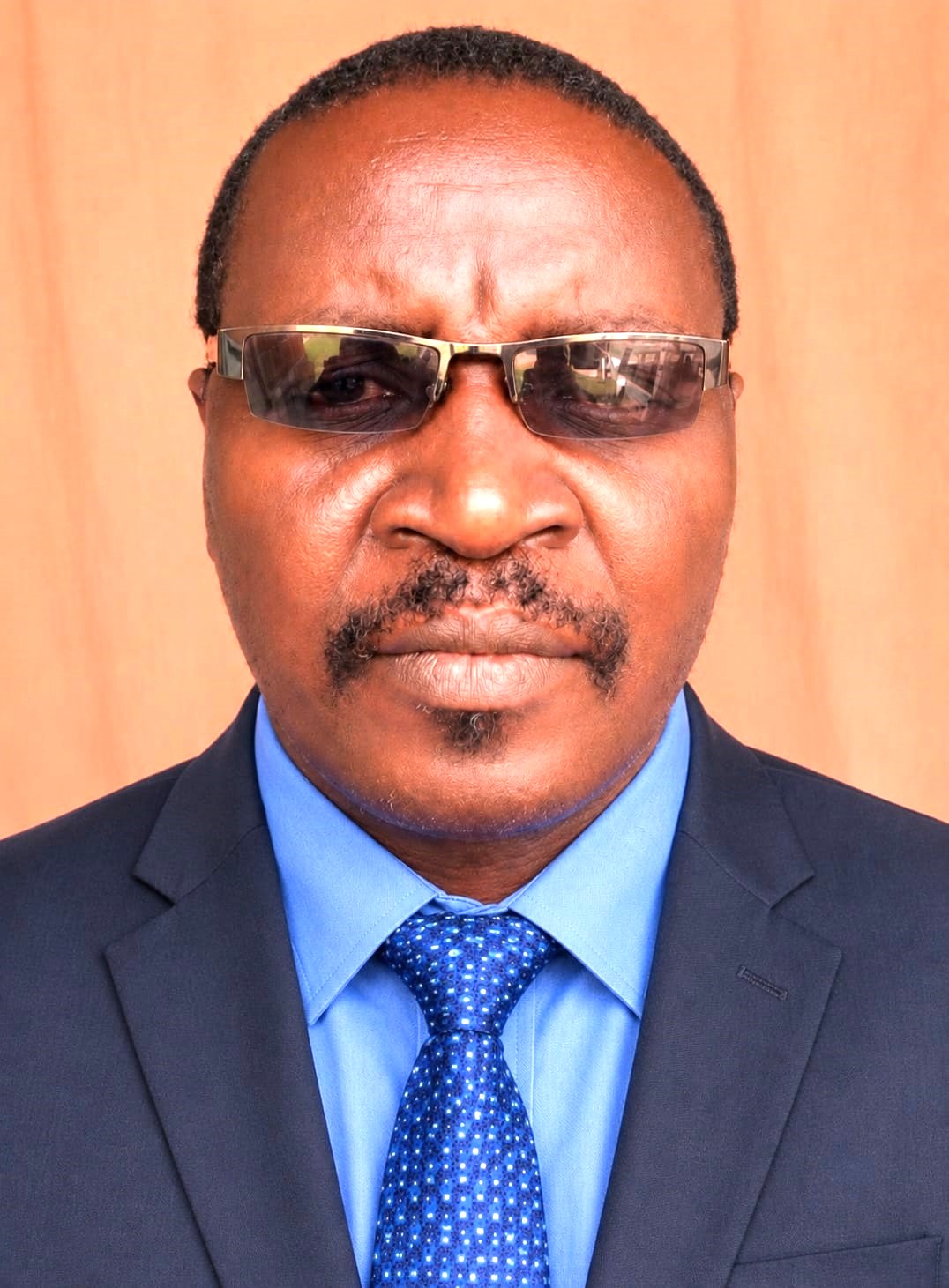
- Hillary Muhalya argues that schools require maximum stability and uninterrupted instructional time during the critical Third Term.
- He says unnecessary transfers, meetings and workplace conflicts risk distracting teachers and unsettling learners preparing for assessments.
- Muhalya urges teachers, administrators, parents and education officials to put learners at the centre of every decision.
Term Three is one of the most critical periods in the school calendar. It is the season when schools consolidate learning, complete the syllabus, undertake intensive revision, conduct assessments and prepare learners for national examinations and other competency-based assessments. It is therefore a period that requires maximum stability, harmony, concentration and uninterrupted instructional time.
Schools should be accorded the peace and stability necessary to ensure the successful completion of the academic year. Unnecessary transfers of teachers, school administrators and other key personnel should be avoided during this critical period, particularly where such movements are not driven by urgent administrative, disciplinary, security or operational considerations.
A teacher who has established a teaching programme, understands the needs of learners and is preparing them for important assessments should not be moved unnecessarily in the middle of the term. Such disruptions can compromise continuity, morale, syllabus coverage and learner preparedness.
The same principle should apply to school heads and other members of the management team. Effective school leadership requires continuity, particularly during a period when institutions are consolidating their academic programmes and preparing learners for examinations.
There is also a need to minimise unnecessary meetings, workshops, seminars, ceremonies, consultations and other engagements that take teachers and school administrators away from their institutions during instructional hours. Not every engagement requires physical attendance, particularly where information can be communicated digitally or activities can be scheduled outside critical teaching periods.
The Ministry of Education has previously maintained restrictions on non-academic activities, school visits and unnecessary engagements during Term Three, with the policy tracing its roots to measures introduced during the tenure of former Education Cabinet Secretary Fred Matiang’i to protect candidates and safeguard the integrity of national examinations. The underlying principle was that schools should remain focused on teaching, learning and examination preparation rather than being overwhelmed by avoidable activities.
That principle remains relevant today.
Teachers should avoid quarrels and personal confrontations
Term Three should also be a period of professional restraint. Teachers should avoid quarrels, confrontations and unnecessary disagreements with colleagues, administrators, parents or learners.
Differences are inevitable in any workplace, but schools are professional institutions whose primary responsibility is to educate and protect learners. Personal disagreements should therefore not be allowed to dominate the school environment or interfere with classroom instruction.
Where a teacher has a grievance with an administrator, colleague or another stakeholder, the matter should be addressed through the appropriate professional and administrative channels. Legitimate concerns should never be suppressed, but neither should they be allowed to disrupt teaching and learning.
Teachers should particularly avoid conflicts among themselves. A divided staffroom can easily translate into a divided school environment. When teachers are frequently engaged in disagreements, their attention and energy are diverted from the learners who depend on them.
The consequences may ultimately be reflected in academic performance.
A teacher preparing learners for important assessments requires mental space, cooperation and a supportive working environment. If teachers are distracted by workplace conflicts, learners may also become unsettled and lose focus.
The message is therefore clear: set aside personal differences, remain professional and keep the learner at the centre of every decision.
Learners must be treated with dignity
Harmony in schools must also extend to the treatment of learners.
Parents, teachers and school administrators have a responsibility to treat learners with dignity, patience, respect and understanding. Term Three can be demanding, particularly for learners preparing for national examinations. Many may experience pressure, fatigue and anxiety as they approach important assessments.
They therefore require encouragement rather than humiliation, guidance rather than intimidation, and constructive correction rather than unnecessary hostility.
Teachers should maintain discipline while upholding the dignity of every learner. Learners can be corrected firmly without being degraded, ridiculed or subjected to treatment that undermines their confidence.
Parents equally have a responsibility to support rather than overwhelm their children. Academic expectations are important, but excessive pressure and constant comparisons can negatively affect a learner’s confidence and concentration.
Parents should provide emotional support, adequate rest, nutritious meals and a conducive environment for study. They should encourage their children to work hard while reminding them that examination results do not define their entire future.
Protect the classroom
The Ministry of Education, education officials, school administrators and other stakeholders should carefully consider the academic calendar before scheduling meetings, workshops, seminars, ceremonies and other engagements.
Essential official activities must continue, but avoidable disruptions should be minimised. Where an engagement can be conducted virtually, scheduled outside critical teaching periods or postponed to a more appropriate time, those options should be prioritised.
The same approach should apply to transfers. Where a transfer is genuinely necessary, it should be undertaken professionally and with minimal disruption. Where there is no compelling reason for immediate movement, stability should take precedence during this critical period.
The objective is not to shield schools from legitimate oversight. Schools must remain accountable, and education authorities must continue monitoring standards. However, oversight should be coordinated, purposeful and sensitive to the academic calendar.
Personal differences should not sacrifice academic performance
Those with genuine grievances should use established channels to seek redress. Teachers and administrators should be encouraged to resolve disagreements professionally rather than through quarrels, confrontations or actions that destabilise the institution.
There is a simple reason for this: learners have only one Term Three.
Time lost through unnecessary conflict, meetings, transfers, confrontations or administrative distractions cannot always be recovered. Teachers need sufficient time to teach, while learners need a calm environment in which they can study, revise and prepare for assessments.
If teachers are distracted, learners are unsettled and administrators are preoccupied with avoidable disputes, the combined effect may eventually be reflected in poor academic performance.
It would therefore be unfortunate for an institution’s results to suffer because adults failed to set aside personal differences during a critical academic period.
One common priority — the learner
Term Three should bring teachers, administrators, parents and education officials together around one overriding priority: the learner.
Teachers should be enabled to teach. Administrators should be supported to manage their institutions effectively. Parents should reinforce learning at home. Education officials should provide guidance and oversight without creating unnecessary disruptions. Learners should be allowed to study in an environment characterised by peace, respect and encouragement.
The success of Term Three should not be measured by the number of meetings held, workshops conducted, transfers effected or disputes pursued. It should be measured by the quality of learning, the wellbeing of learners, the preparedness of candidates and the ability of schools to complete the academic year successfully.
The message is therefore clear: Term Three should be a season of consolidation, not disruption; teaching, not unnecessary engagements; stability, not avoidable transfers; teamwork, not quarrels; and encouragement, not unnecessary pressure.
Teachers should work collaboratively. Administrators should support their staff. Parents should encourage their children. Learners should be treated with dignity. Those with grievances should pursue them through the proper channels without disrupting the academic programme.
Above all, schools require peace, professionalism, harmony and uninterrupted concentration to conclude the academic year successfully.
READ ALSO: Religious leaders urge parents to closely monitor children during August holiday
Protect the classroom. Protect instructional time. Protect the dignity of learners. Set aside personal differences. Avoid quarrels. Provide schools with the harmony and stability they need to achieve improved academic outcomes.
By Hillary Muhalya
Hillary Muhalya comments on education and related issues.
You can also follow our social media pages on Twitter: Education News KE and Facebook: Education News Newspaper for timely updates.
>>> Click here to stay up-to-date with trending regional stories
>>> Click here to read more informed opinions on the country’s education landscape
>> Click here to stay ahead with the latest national news.