- A Sh4.8 billion funding shortfall has disrupted school meals for at least 46,000 learners in drought-affected communities.
- The National Treasury has allocated only Sh3 billion against a required Sh7.8 billion needed to feed 2.6 million learners over 180 school days.
- Parents and education stakeholders have appealed to the government to restore funding before the disruption deepens into a wider dropout crisis.
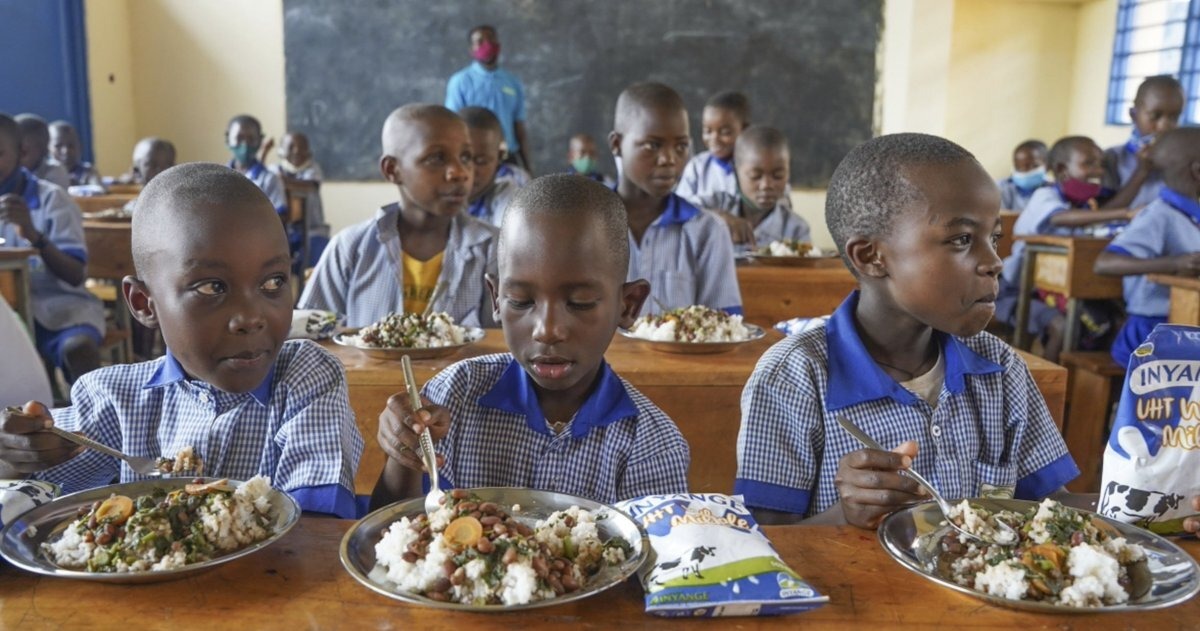
At least 46,000 learners in Kenya’s most vulnerable and drought-affected communities are facing disrupted school meals as a funding crisis hits the national school feeding programme, raising fears of rising absenteeism and school dropout.
According to a report on the programme, the State Department for Basic Education is facing a Sh4.8 billion funding shortfall. The programme requires approximately Sh7.8 billion to feed about 2.6 million learners over 180 school days, but the National Treasury has allocated only Sh3 billion, leaving a significant gap between requirements and available funding.
For many children in affected communities, the school meal is often the most reliable meal they get all day. Teachers in the affected areas say some learners arrive in the morning but leave by lunchtime when food is unavailable, while others fail to attend school altogether. A headteacher in Turkana described the difficulty of teaching children who have not eaten since the previous day.
The National Council for Nomadic Education in Kenya (NACONEK) estimates the cost of feeding a child at approximately Sh22 a day, a modest figure that becomes substantial when multiplied across millions of learners over a full school year. NACONEK reportedly requested about Sh8.3 billion but received only Sh1.7 billion, underscoring the scale of the financing gap facing feeding programmes in marginalised, food-insecure areas.
ALSO READ:
Sifuna pushes for immediate internship deployment of 47 Kibabii University Nursing graduates
The disruption is of particular concern in Kenya’s arid and semi-arid regions, where school feeding programmes often serve as a critical safety net. For families in drought-hit areas, a school meal can be the deciding factor in whether a child stays in class, and its absence risks setting off a damaging cycle in which hunger drives absenteeism, absenteeism drives learning loss, and prolonged learning loss increases the risk of dropout.
Parents in affected communities are appealing to the government to restore funding for the programme, arguing that for households struggling to provide regular meals, school feeding can make the difference between a child attending school and staying at home.
ALSO READ: KUPPET issues 7-day strike notice ahead of schools reopening
Education stakeholders warn that if the funding crisis persists, the immediate attendance problem could deepen into a more serious dropout crisis, particularly among children from extremely poor households who face pressure to stay home and support their families. The government now faces pressure to address the Sh4.8 billion shortfall before a temporary disruption develops into a deeper crisis of absenteeism, learning loss and school dropout affecting the 46,000 learners currently at risk.
By Hillary Muhalya
You can also follow our social media pages on Twitter: Education News KE and Facebook: Education News Newspaper for timely updates.
>>> Click here to stay up-to-date with trending regional stories
>>> Click here to read more informed opinions on the country’s education landscape
>>> Click here to stay ahead with the latest national news.