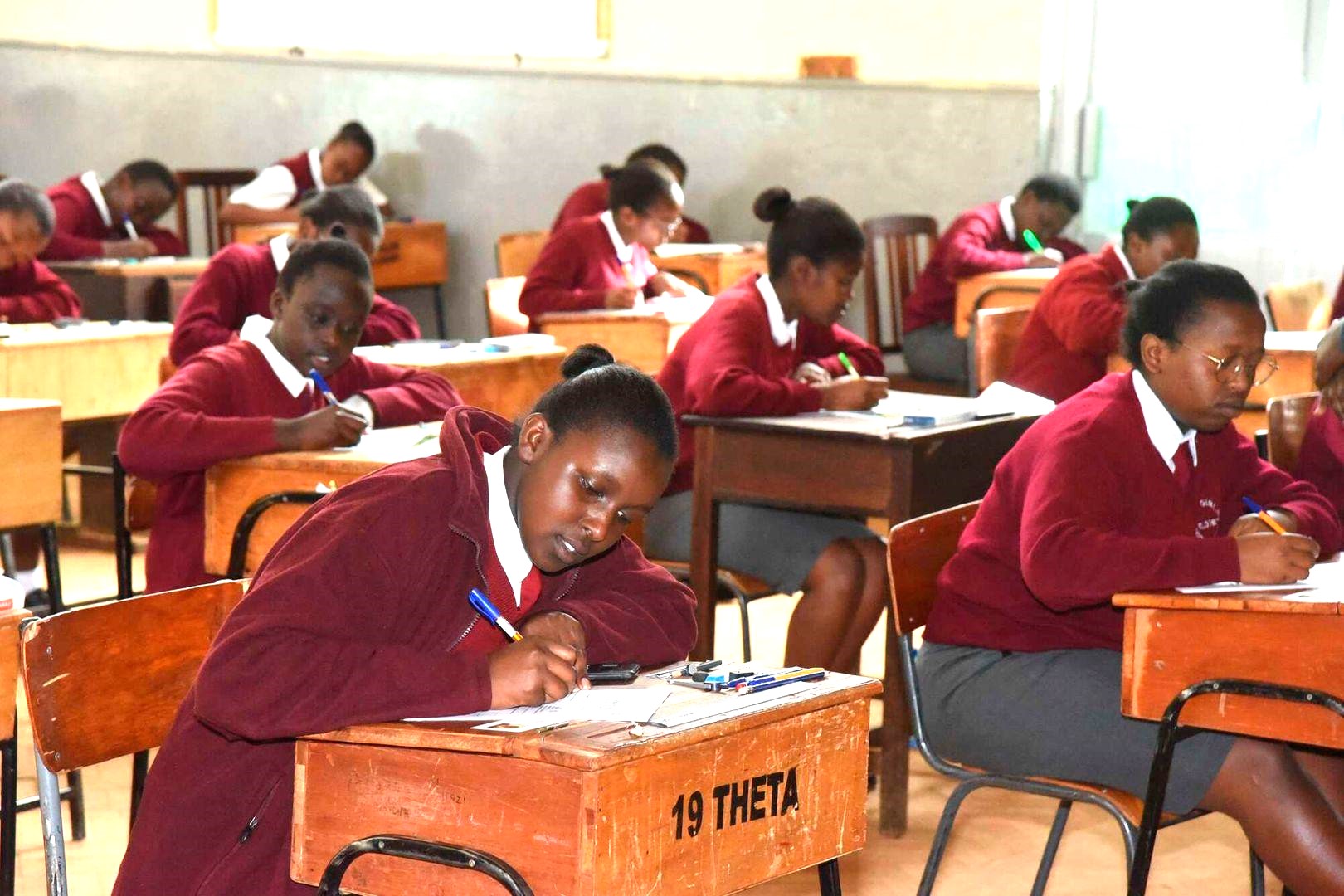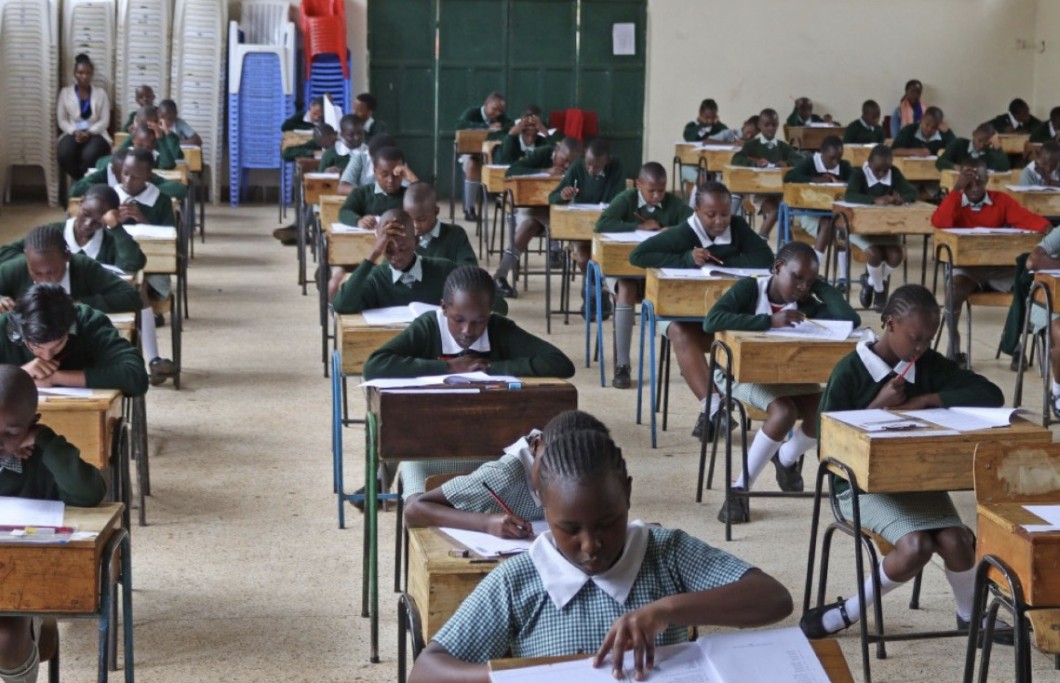
- Legislators say educational tours of Parliament help learners understand governance, democracy and the law-making process.
- Students are encouraged to use the visits to bridge classroom learning with practical leadership experience.
- MPs urge young Kenyans to aspire to public service and future leadership through civic education.
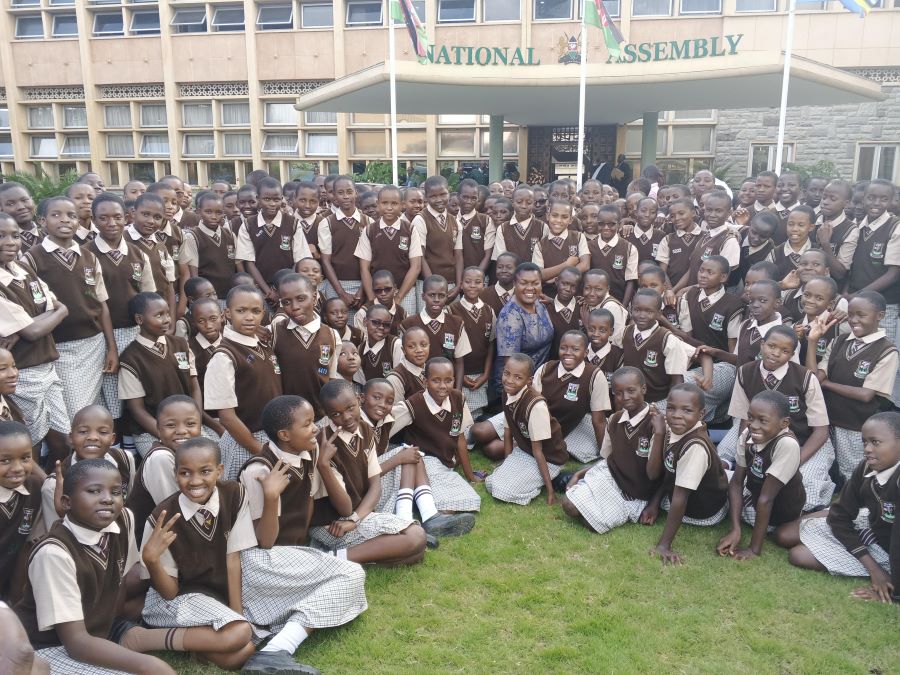
Students visiting Kenya’s Parliament have been encouraged to view educational tours of the National Assembly and Senate as an extension of the classroom, with lawmakers describing the institution as a practical learning centre where lessons on governance, democracy and leadership come to life.
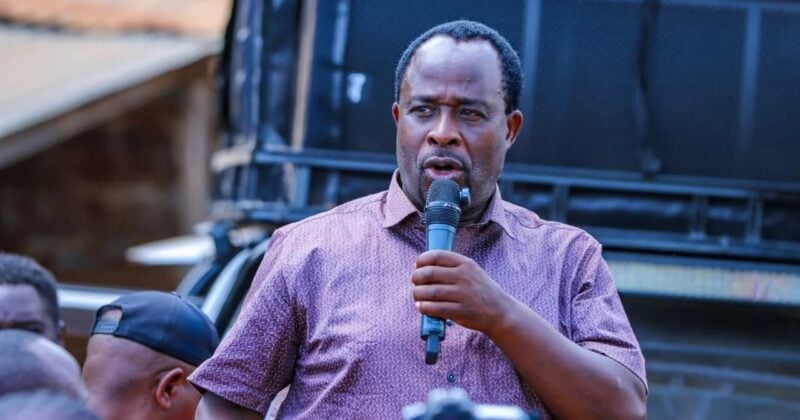
The call was made on Wednesday by Gideon Ochanda while welcoming students from Usenge High School in Bondo Constituency, Siaya County, who had travelled to Nairobi to observe parliamentary proceedings.
Ochanda described the visit as a rare privilege that should never be taken for granted, noting that only a handful of schools from his constituency had managed to secure an educational tour of Parliament during his more than a decade as a Member of Parliament.
“It is a privilege and an opportunity that many students across the country never get. Out of dozens of schools in my constituency, only three have managed to visit Parliament during all the years I have served as an MP,” he said.
The legislator urged learners to make the most of the experience by paying close attention to debates, parliamentary procedures and the legislative process, saying such exposure provides lessons that cannot be fully captured in textbooks.
Parliament as a learning laboratory
According to Ochanda, Parliament serves as a practical laboratory for students pursuing humanities and social sciences, just as science laboratories help learners studying STEM subjects understand scientific concepts through experimentation.
“For students studying History and Government, this is your laboratory. This is where you see how government actually works, how laws are debated, how national policies are shaped and how public resources are allocated,” he said.
He emphasised that Parliament is one of the country’s key constitutional institutions and plays a central role in ensuring accountability, representation and law-making.
Educational visits to Parliament have become an important component of civic education, allowing learners to witness first-hand how the National Assembly and Senate conduct business. During the tours, students observe debates on Bills, motions, petitions and budget proposals from the public galleries while interacting with parliamentary officers who explain the institution’s functions.
The visits also bridge the gap between classroom learning and real-life governance by enabling students to understand the responsibilities of elected leaders and appreciate the democratic processes that shape national development.
Lawmakers said such experiences help transform abstract concepts taught in History, Government and Social Studies into practical knowledge that students can easily relate to.
Students challenged to pursue leadership
Julius Sunkuli also addressed the visiting learners, encouraging those with political ambitions to use the opportunity as inspiration for future leadership.
He challenged students to dream beyond simply observing parliamentary proceedings and instead aspire to become future legislators, policymakers and national leaders.
“One day, some of you may find yourselves seated in this House representing your communities. This is an opportunity to understand government and prepare yourselves for leadership,” Sunkuli said.
Several Members of Parliament echoed the sentiment, revealing that their own visits to Parliament while they were students inspired them to pursue careers in public service and politics.
Among the schools that toured Parliament were Moi Siongoroi Girls from Chepalungu in Bomet County, Mamiloki Primary and Junior School from Mwala in Machakos County, Kakenya High School, St. Luke’s Catholic School from Kajiado County, and Mungoni Primary and Junior School from Igambang’ombe in Tharaka Nithi County.
The educational tours continue to play an important role in nurturing informed, responsible and active citizens by exposing young Kenyans to the workings of one of the country’s most important democratic institutions.
READ ALSO: Grade 9 learners to begin senior school selection on August 24, MoE announces
Education stakeholders have increasingly encouraged schools to organise such visits, arguing that they inspire learners to participate in public affairs, strengthen civic responsibility and cultivate the next generation of ethical leaders committed to national development.
By Hillary Muhalya
You can also follow our social media pages on Twitter: Education News KE and Facebook: Education News Newspaper for timely updates.
>>> Click here to stay up-to-date with trending regional stories
>>> Click here to read more informed opinions on the country’s education landscape
>>> Click here to stay ahead with the latest national news.