- Guidance and counselling expert Zachary Oanda says learners’ basic needs must be addressed for CBE to succeed.
- He argues that hungry, fearful or rejected learners struggle to collaborate, think critically and achieve their potential.
- Botaranda School stakeholders also appealed for support to improve water, sanitation and digital connectivity.
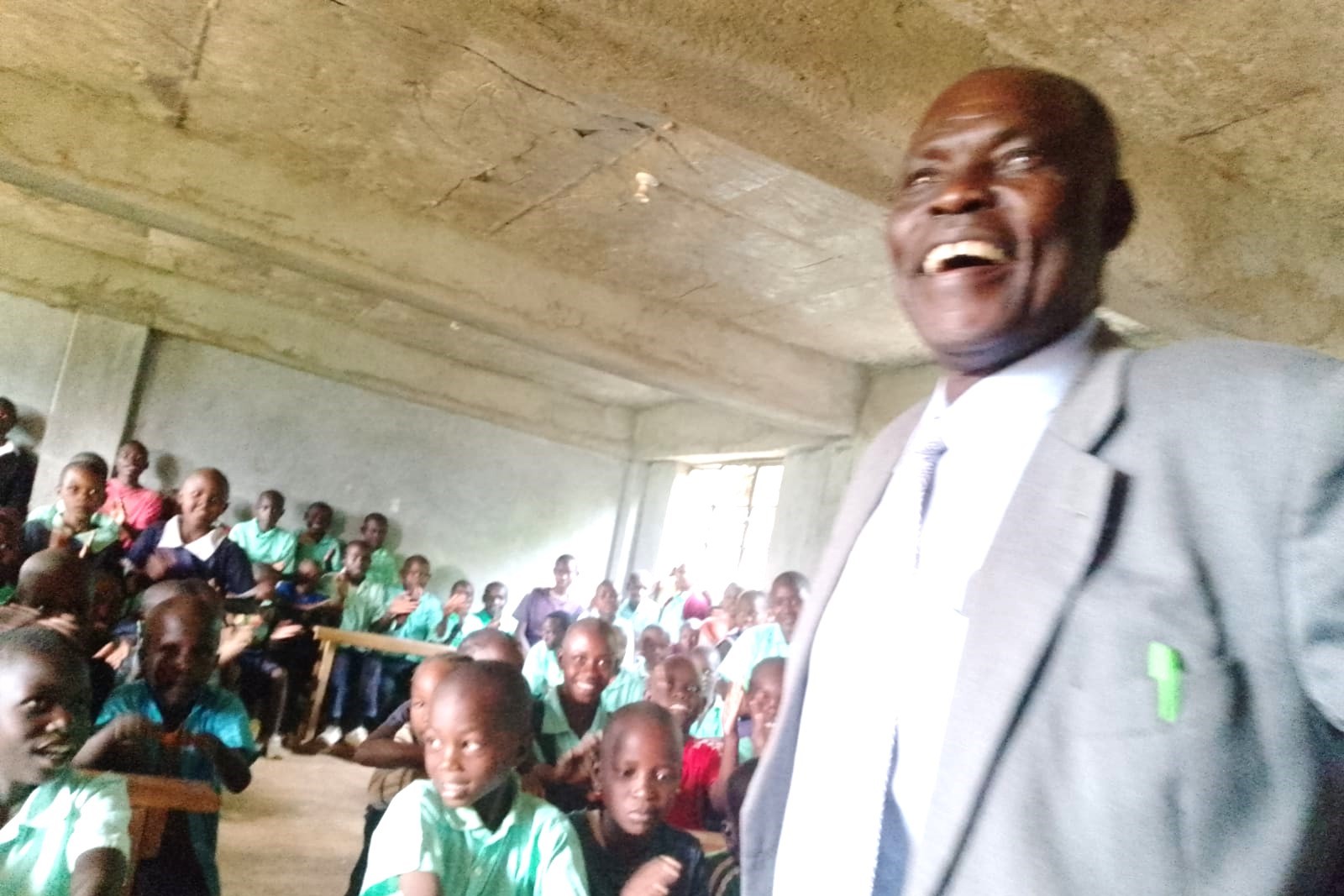
A Seventh-day Adventist Church elder and guidance and counselling expert, Zachary Oanda, has challenged teachers to embrace psychological principles to improve learning outcomes and strengthen the implementation of Curriculum-Based Education (CBE).
Oanda urged educators to apply psychologist Abraham Maslow’s Hierarchy of Needs theory in their pedagogical approaches if they are to remain relevant to the needs of 21st-century learners.
He spoke to teachers, parents and learners at Botaranda School in Magenche Ward, Bomachoge Constituency, on Friday during the school’s Annual Community Work Involvement event.
Oanda explained that Maslow’s theory, which identifies physiological, safety, belonging, esteem and self-actualisation needs, can help teachers create environments in which learners are better prepared to acquire competencies under CBE.
“A hungry child, a child who fears punishment, or a child who feels rejected cannot collaborate or think critically no matter how good your lesson is. CBE gives us the what to teach. Maslow gives us the how to prepare the learner,” he said.
Bridging generational gap in classrooms
Oanda further argued that understanding learners’ psychological and emotional needs could help bridge the gap between experienced teachers and the current generation of learners.
“Veteran teachers bring experience and discipline. Today’s learners bring technology and a need to be understood. When we meet the child’s needs first, both generations can work together for one goal,” he said.
The church elder commended former Nominated Councillor Samuel Obwaya and the surrounding community for donating land for the establishment of the school, which has since grown into an operational learning institution.
He called on education stakeholders, particularly professionals living away from the area, to return and mentor learners.

“We have a lot of our sons and daughters who are engineers, doctors, lawyers and teachers with an attachment and patriotism to their home. Today we welcome them wholeheartedly because Botaranda School cannot be built by one person,” Oanda said.
School seeks water and sanitation support
Board of Management Chair Abel Nyakundi thanked guests led by SPAC Chief Executive Officer Dr Grace Nyaera for donating playing jerseys and a ball to the girls to promote socialisation and talent development.
Nyaera pledged her organisation’s commitment to partnering with schools and communities in tree planting as part of efforts to address climate change.
She encouraged teachers to establish Green Clubs and pledged to support young and growing schools whenever resources are available.
The school also appealed for assistance in addressing water and sanitation challenges, with the administration saying the institution lacks a reliable water supply and adequate pit latrines for its growing learner population.
Responding to the request, Nyaera said her organisation would consider the school’s needs following consultations with its board.
“Let us start small by connecting the school with WiFi and other things will follow,” she said.
Her husband, Nyimbo Amusa, who accompanied her, pledged to provide funds for connecting the school to WiFi during their next visit for a follow-up tree-planting exercise.
New classrooms to open soon
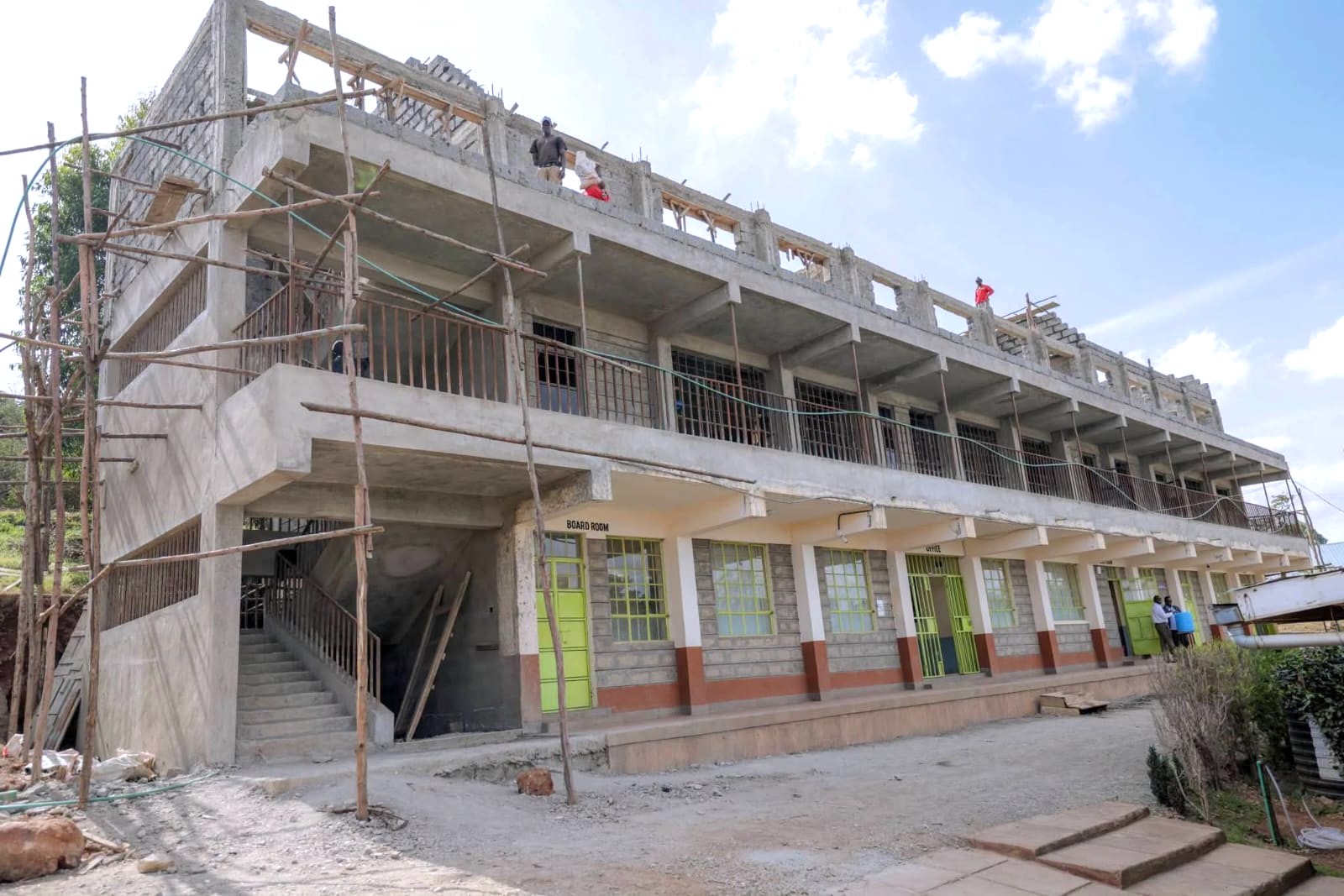
School Principal Danverse Nyagonde said the institution has made significant progress in infrastructure development, which he attributed to former MP Prof Zadoc Ogutu and current MP Obadiah Barongo for supporting the completion of stalled projects through NG-CDF funding.
He announced that three new modern classrooms, constructed at a cost of more than KSh40 million, would soon be officially opened by the area MP and urged parents to attend once the date is announced.
Nyagonde, however, said inadequate pit latrines and lack of a reliable water supply remain major challenges as learner numbers continue to increase.
READ ALSO: Africa’s youth are not leaving the Church—they want a Church that walks with them
The event ended with calls for sustained community partnerships to address sanitation, water and digital connectivity gaps as the school seeks to strengthen the delivery of CBE.
By Enock Okongó
You can also follow our social media pages on Twitter: Education News KE and Facebook: Education News Newspaper for timely updates.
>>> Click here to stay up-to-date with trending regional stories
>>> Click here to read more informed opinions on the country’s education landscape