- Makerere University has introduced electronic academic transcripts and certificates that graduates can access and have verified online from anywhere in the world.
- The university is expanding blended and fully online degree programmes and will roll out Competency-Based Education and Training (CBET) curricula from the 2026/2027 academic year.
- Vice Chancellor Prof. Barnabas Nawangwe has dismissed claims of a staffing crisis, citing a 1:21 lecturer-to-student ratio, and denied that recruitment and promotions have been suspended.
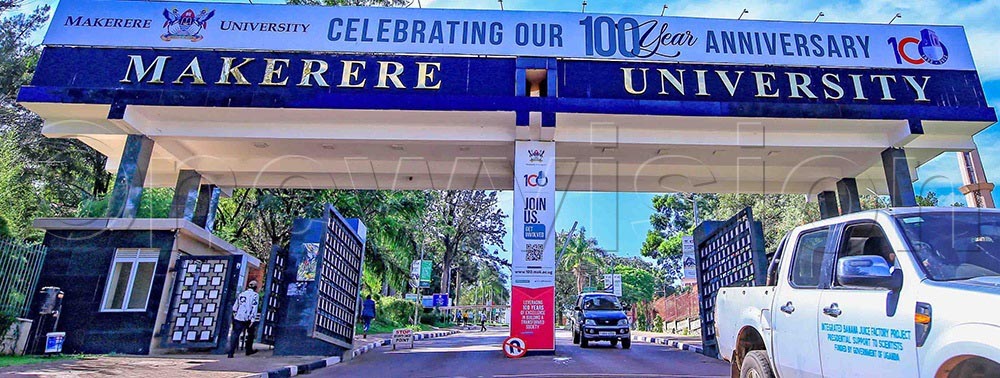
Makerere University has embarked on one of the most far-reaching digital transformations in its history, rolling out electronic academic transcripts and certificates while accelerating the expansion of online learning and competency-based education under its 2025-2030 Strategic Plan.
The reforms are designed to modernise academic administration, improve service delivery, strengthen the credibility of academic records and position Africa’s oldest university as a leader in digital higher education on the continent.
Central to the changes is the rollout of electronic transcripts and certificates, which will allow graduates to securely access their academic credentials online from anywhere in the world. The digital platform will also let employers, universities and professional bodies verify the authenticity of academic documents electronically, provided the graduate consents to the verification.
Academic Registrar Prof. Mukadasi Buyinza said the system does away with long-standing challenges graduates have faced in obtaining certified copies of their academic documents, saving them both time and travel costs. The electronic verification system is also expected to significantly cut down on document fraud, while making recruitment and admissions processes more efficient for institutions and employers relying on authentic academic records.
Beyond digitising records, Makerere has fully embraced blended learning, combining conventional classroom instruction with online teaching across its academic programmes. The university is additionally developing fully online degree programmes intended to allow learners from across Africa and beyond to pursue Makerere qualifications without relocating to Uganda, a move that mirrors a broader global shift in higher education toward leveraging technology to widen access, lower geographical barriers and accommodate working professionals and international students. University officials say the expansion of digital learning will improve flexibility while keeping education accessible to a wider population.
ALSO READ:
Government warns students against faking family details to access higher scholarship support
Alongside the digital rollout, Makerere will implement revised curricula aligned with Uganda’s national policy shift toward Competency-Based Education and Training (CBET), beginning with the 2026/2027 academic year. The overhaul marks a departure from traditional theory-heavy instruction toward practical, skills-oriented learning intended to prepare graduates for a rapidly evolving labour market. University officials believe the revised programmes will produce graduates equipped with industry-relevant competencies, innovation skills and problem-solving abilities increasingly demanded by employers, a shift education experts say helps bridge the gap between universities and industry by focusing on what learners can actually do rather than what they merely know.
Separately, Vice Chancellor Prof. Barnabas Nawangwe has denied claims that the university is grappling with an academic staffing crisis. According to university leadership, Makerere currently enrols approximately 32,000 students served by around 1,400 teaching staff, including nearly 1,100 lecturers holding doctoral degrees, translating to a lecturer-to-student ratio of roughly 1:21, notably better than the commonly cited international benchmark of one lecturer for every 35 students.
Nawangwe said the strong concentration of doctoral-level academics has boosted the university’s research output and strengthened its competitiveness in international scholarship and innovation. He also dismissed separate reports suggesting that staff recruitment and promotions had been suspended, noting that the university continues to recruit academic, administrative and support personnel while filling vacancies created by retirements and natural attrition. Over the past year, the university’s Appointments Board has approved appointments to key academic leadership positions, including deans, heads of department and other senior administrators, with Nawangwe maintaining that a highly qualified workforce remains central to the successful implementation of the university’s strategic plan.
The introduction of secure digital credentials is expected to simplify employment verification, ease international mobility for graduates and reduce the administrative bottlenecks that have historically delayed access to academic documents, while the expansion of online learning and competency-based curricula positions Makerere to respond to shifting labour market demands, technological change and the growing need for flexible, lifelong learning.
As universities across East Africa accelerate their own digital transformations, Makerere’s reforms could offer a model for other institutions seeking to modernise higher education while improving accessibility, efficiency and global competitiveness.
By Hillary Muhalya
You can also follow our social media pages on Twitter: Education News KE and Facebook: Education News Newspaper for timely updates.
>>> Click here to stay up-to-date with trending regional stories
>>> Click here to read more informed opinions on the country’s education landscape
>>> Click here to stay ahead with the latest national news.