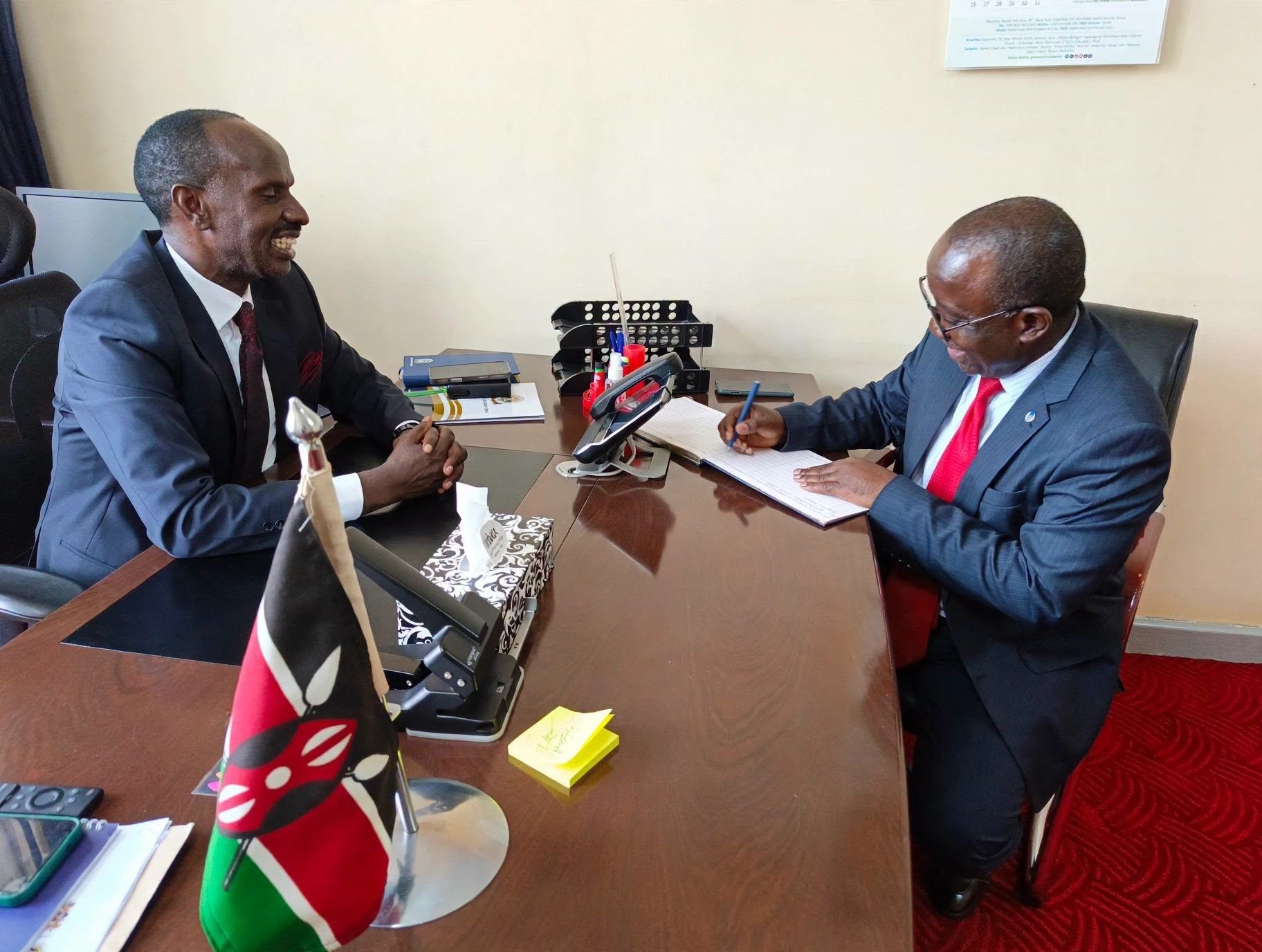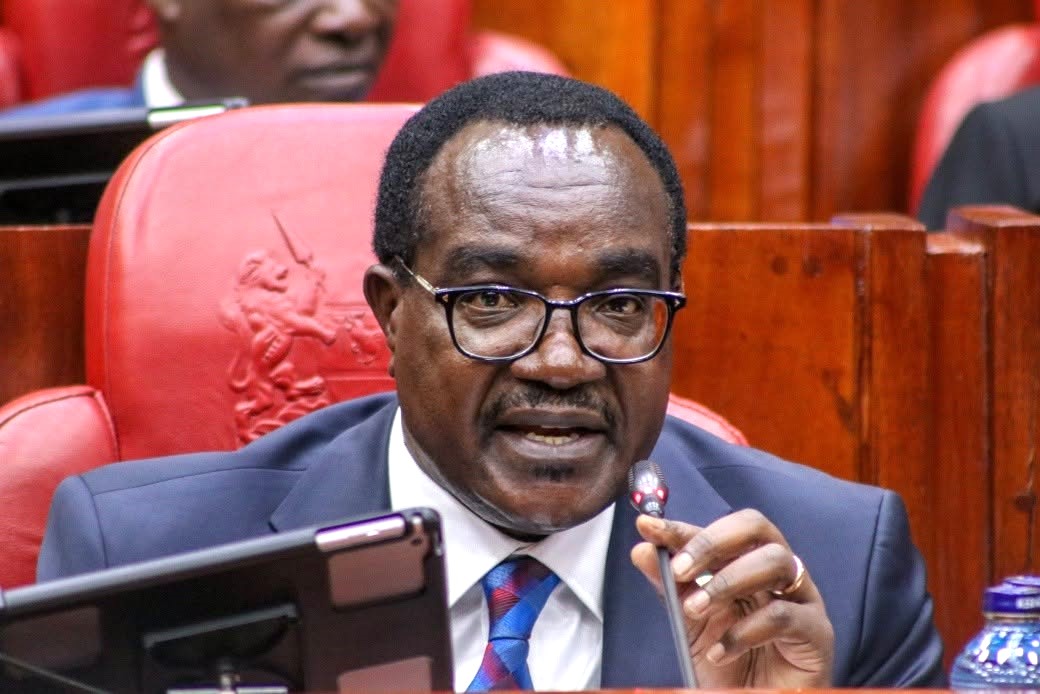
- Education Cabinet Secretary Julius Migos Ogamba says the Ministry of Education cannot independently increase the salaries of TVET trainers.
- He told MPs that all public service salary reviews must follow constitutional procedures and SRC guidelines.
- Ogamba also said the government is working to resolve long-standing salary obligations affecting university lecturers through negotiated CBAs.
Thousands of Technical and Vocational Education and Training (TVET) trainers hoping for an immediate salary review have received a major clarification from the government after Education Cabinet Secretary Julius Migos Ogamba ruled out any arbitrary increase in their pay.
Appearing before the National Assembly’s Public Investments Committee on Governance and Education (PIC-G&E) on Wednesday, July 15, Ogamba explained that the Ministry of Education does not have the legal authority to independently review or increase salaries for TVET trainers, stressing that remuneration for all public servants is regulated by the Salaries and Remuneration Commission (SRC).
The Cabinet Secretary said salary reviews in the public service follow constitutional and legal procedures and cannot be influenced by individual financial circumstances or the amount deducted from an employee’s monthly earnings.
According to Ogamba, every public officer’s salary progression is guided by the terms contained in their letter of appointment, SRC advisories and established government remuneration policies. Consequently, the ministry cannot adjust salaries outside the approved framework, even where employees experience financial pressure due to statutory deductions.
“Salaries are controlled through the SRC and are not increased because of levies on normal salaries. There is a process of increment of salaries that is stipulated in the letters of employment and that is what we follow,” Ogamba told the committee.
One-third rule not basis for salary increase
His remarks came after legislators sought an explanation on whether the government intended to enhance the salaries of TVET trainers to enable them to comply with the one-third rule, which requires public officers to retain at least one-third of their basic salary after statutory deductions.
The Education CS dismissed suggestions that the government could raise an individual’s salary solely because deductions reduce their take-home pay. He maintained that the one-third rule does not provide a legal basis for arbitrary salary increments and that any remuneration review must be undertaken within the framework established by the SRC.
“The solution is not to arbitrarily increase that particular individual’s salary in order for them to meet the basic one-third requirement,” he said.
Pending CBAs under review
Ogamba also addressed concerns over delayed salary reviews for university lecturers and educators in institutions of higher learning. He revealed that the current administration inherited several unresolved Collective Bargaining Agreements (CBAs) dating back to 2013, many of which contain outstanding salary arrears and financial obligations that remain unimplemented.
He said the government is actively working to regularise the pending agreements while mobilising the financial resources required to implement them, signalling its commitment to resolving long-standing labour issues in the higher education sector.
The Cabinet Secretary emphasised that salary reviews for university lecturers and other education professionals will continue to be handled through negotiated CBAs rather than unilateral government decisions.
Government maintains legal process
Ogamba appeared before the parliamentary committee alongside Higher Education Principal Secretary Beatrice Inyangala and TVET Principal Secretary Esther Muoria during the examination of Auditor-General’s reports covering government agencies for the 2018/19 to 2024/25 financial years.
The clarification comes at a time when public sector employees, particularly those in the education sector, continue to push for improved remuneration amid the rising cost of living.
However, the government maintains that any future salary adjustments for TVET trainers and other public servants will remain subject to constitutional provisions, SRC guidelines, collective bargaining agreements and the availability of public funds.
READ ALSO: Kennedy Buhere: Reading crisis looms as six out of 10 Grade 4 learners cannot read
As Kenya continues to strengthen its TVET sector to produce a highly skilled workforce capable of driving industrialisation and economic transformation, staff welfare remains a key concern. Even so, the government insists that sustainable salary reviews must be implemented through established legal mechanisms to safeguard equity, fiscal discipline and long-term sustainability within the public service.
By Hillary Muhalya
You can also follow our social media pages on Twitter: Education News KE and Facebook: Education News Newspaper for timely updates.
>>> Click here to stay up-to-date with trending regional stories
>>> Click here to read more informed opinions on the country’s education landscape