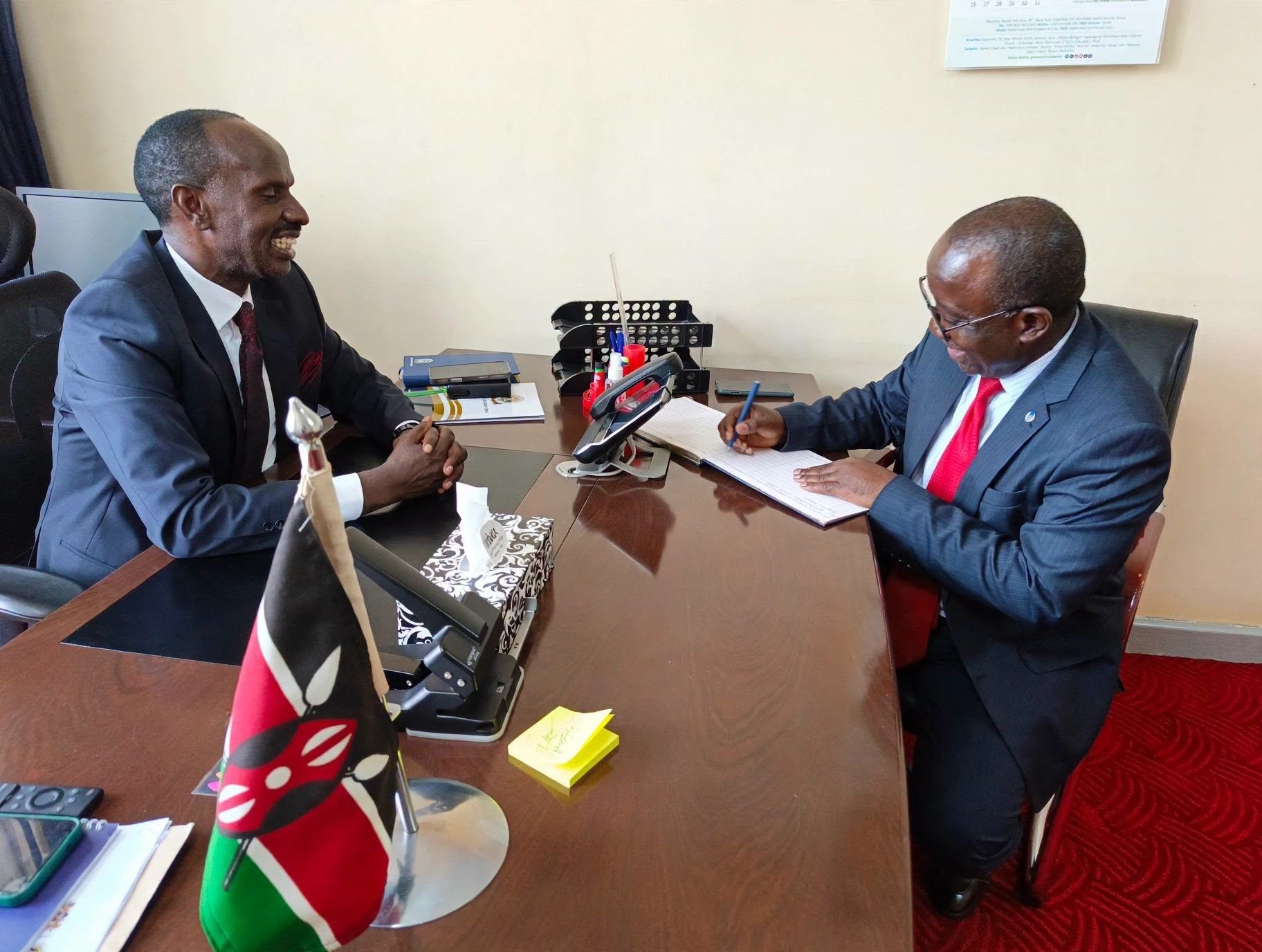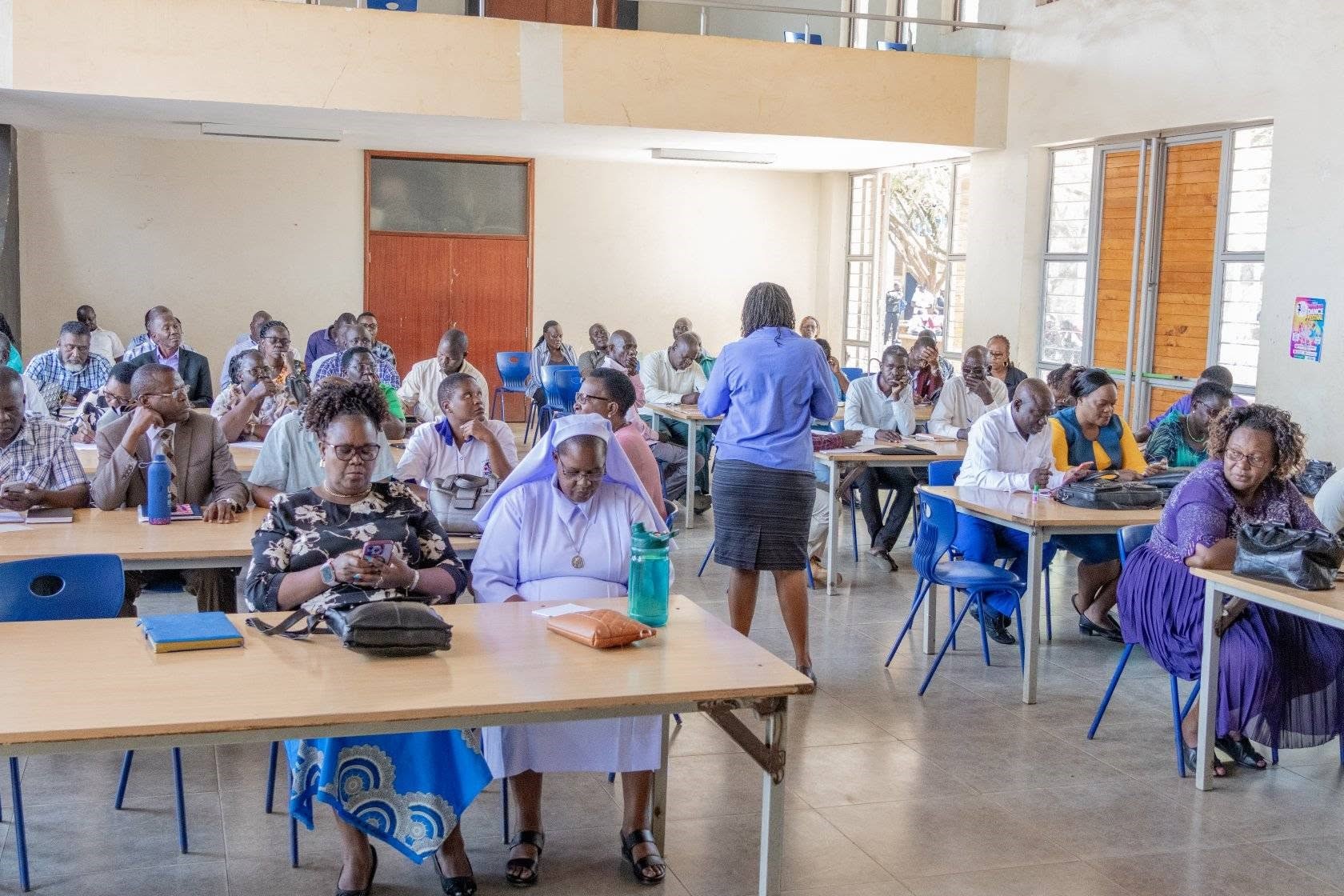
- Astiba Kebong’o argues that protecting learners requires stronger ethics, accountability and collaboration among teachers, parents, schools and government institutions.
- The author argues that schools must remain places of safety, trust and moral guidance for every child.
- While applauding the professionalism of most teachers, the commentary calls for stronger child protection systems and ethical accountability.
- Parents, educators, the TSC, the Judiciary and communities are urged to work together to safeguard learners.
A school is designed to be far more than a mere collection of classrooms. It is a sanctuary where dreams are nurtured, values are deeply instilled and young lives are prepared to face the future. Every morning, parents entrust their children to educators with absolute confidence, believing they are placing them in the safest possible hands.
It is therefore deeply disheartening that, in a few isolated but highly disturbing cases, some of the very individuals entrusted to protect, mentor and nurture these children have instead become a source of profound harm. Such incidents shake public confidence to its core and compel us to ask an uncomfortable but necessary question: Are our children truly safe in school?
Thankfully, these egregious cases involve only a very small minority of educators. Across Kenya, thousands of teachers report to work every day with unwavering commitment, professional integrity and genuine concern for the welfare of their learners.
These dedicated professionals teach, mentor, counsel and inspire, often going far beyond the call of duty to shape responsible citizens. Their remarkable contribution to society should never be overshadowed by the misconduct of a few individuals who have chosen to betray the sacred trust bestowed upon them by families and the nation.
The Teachers Service Commission (TSC) has established clear and stringent regulations governing the teaching profession through its Code of Conduct and Ethics. These regulations define professional boundaries between teachers and learners and leave absolutely no room for exploitation.
Sexual misconduct is among the gravest offences within this framework, attracting immediate and severe disciplinary action, including summary dismissal and permanent removal from the register of teachers. Such firm measures demonstrate the Commission’s zero-tolerance policy towards any conduct that compromises the safety and dignity of learners.
However, regulations alone cannot eliminate professional misconduct. They must be continuously reinforced through ongoing professional development, ethical leadership and a pervasive culture of institutional accountability.
The Commission can further strengthen its human resource capacity by expanding regular training programmes on child protection, professional ethics, digital responsibility, mental wellness and appropriate teacher-learner relationships. Building a proactive ethical culture within schools is far more effective than merely reacting after irreparable harm has already occurred.
The digital age demands greater vigilance
We must also ask whether the digital age is adding to these vulnerabilities. While technology has transformed education for the better, it has also introduced unprecedented risks.
Social media platforms, instant messaging applications and unrestricted online interactions have significantly blurred traditional professional boundaries. Teachers and learners alike must understand that professional ethics extend beyond the physical classroom into every digital interaction. In our highly connected world, personal integrity must remain uncompromised both online and offline.
This responsibility is supported by social psychology. As renowned psychologist Albert Bandura observed: “Most human behavior is learned observationally through modeling.”
His Social Learning Theory reminds us that learners constantly observe and mirror the adults around them. A teacher’s words, actions and personal conduct communicate lessons that no textbook can ever replicate. Every educator therefore carries the immense responsibility of modelling integrity, mutual respect and self-discipline.
Protecting learners is everyone’s responsibility
Learners must also be empowered to navigate social spaces safely. They should be trained to maintain appropriate professional boundaries, recognise grooming behaviours and report misconduct without fear of victimisation or retaliation.
Schools must intentionally cultivate environments where children feel safe to speak out, knowing their concerns will be treated with confidentiality, dignity and fairness. As the saying goes, an ounce of prevention is worth a pound of cure.
School administrators stand on the frontline of child protection. Safeguarding learners should never remain a passive policy confined to office shelves. It must be reflected in everyday school operations through vigilance, transparent reporting systems, regular awareness programmes and responsive guidance and counselling services.
Allegations of abuse should never be concealed to protect institutional reputations. The physical and emotional welfare of a child must always outweigh the public image of any school.
A shared moral and legal obligation
Our national legal framework leaves no room for ambiguity. Article 53 of the Constitution of Kenya guarantees every child the right to protection from abuse, neglect, harmful cultural practices, all forms of violence, inhuman treatment and exploitation.
The Children Act reinforces these constitutional protections by placing the best interests of the child at the centre of every administrative and legal decision. Where criminal offences occur, the Judiciary must ensure justice is administered swiftly and impartially.
Professional responsibility also extends to peer accountability within the staffroom. Teachers have a collective duty to safeguard the integrity of their profession by guiding, mentoring and, where necessary, correcting one another.
Remaining silent in the face of unethical conduct is not professional solidarity—it is complicity. Protecting children is a shared professional covenant.
Teaching remains one of society’s most honourable callings. Educators possess the unique power to ignite curiosity, unlock human potential, shape character and inspire lifelong hope. They are the quiet architects of our nation’s future.
We must therefore refuse to allow the actions of a few wolves in sheep’s clothing to tarnish the reputation of the thousands of dedicated professionals who faithfully serve our children every day.
This truth is beautifully captured by educational philosopher Nel Noddings, who wrote:
“The primary aim of every educational effort must be to maintain and enhance caring.”
Within this framework, caring is not an optional luxury—it is the very soul of the teaching profession.
The safety of our children cannot be left to chance or passive hope. Parents, teachers, school administrators, the Teachers Service Commission, law enforcement agencies, the Judiciary, religious organisations and the wider community must stand together to protect every learner.
Child protection is not merely a legal obligation; it is a sacred moral responsibility.
This profound duty is accompanied by Jesus Christ’s warning in Matthew 18:6: “If anyone causes one of these little ones who believe in me to stumble, it would be better for them to have a large millstone hung around their neck and to be drowned in the depths of the sea.”
READ ALSO: Kisii partners with KBC to air FIFA World Cup matches on public screens
Let us resolve to build schools that are true sanctuaries of peace, safety and hope, ensuring that the dreams of our children are protected and allowed to flourish.
By Astiba Kebong’o
Astiba Kebong’o is an education commentator.
You can also follow our social media pages on Twitter: Education News KE and Facebook: Education News Newspaper for timely updates.
>>> Click here to stay up-to-date with trending regional stories
>>> Click here to read more informed opinions on the country’s education landscape