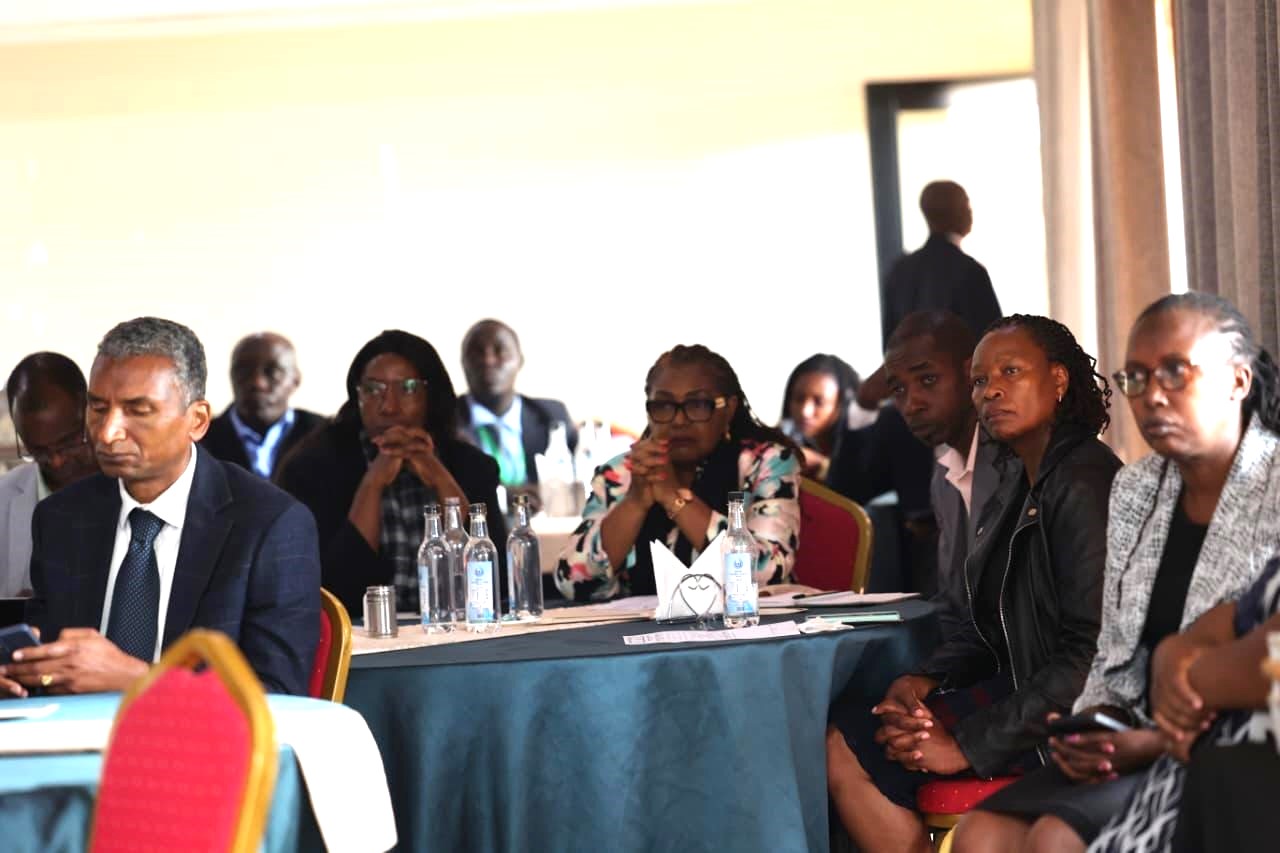
- KISE has convened vice-chancellors to strengthen collaboration on inclusive education ahead of the first CBE university transition in 2029.
- The partnership will focus on learner assessment, assistive technology, research and capacity building.
- University leaders say stronger coordination is essential to ensure learners with disabilities receive continuous support throughout their education.
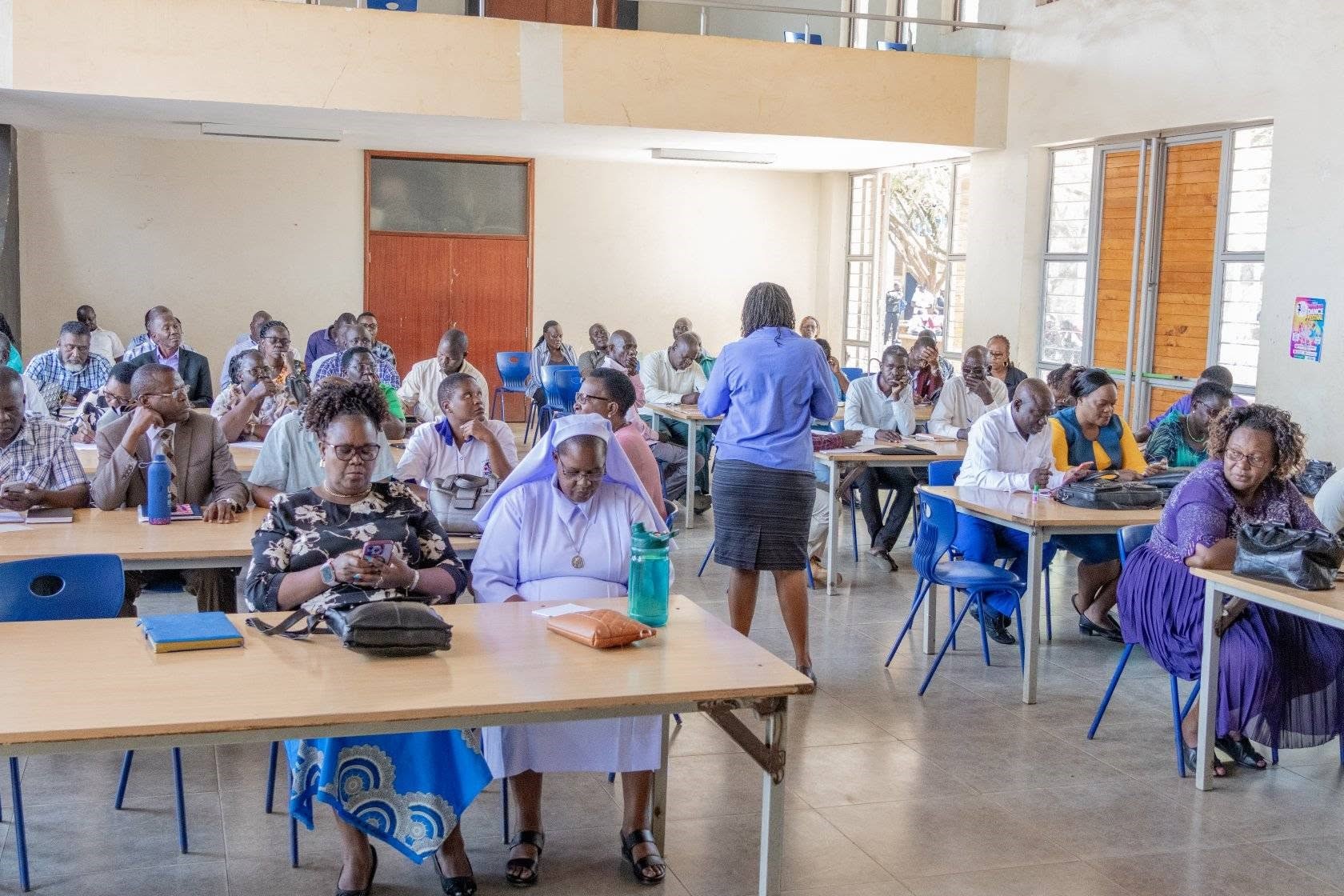
The Kenya Institute of Special Education (KISE) has hosted vice-chancellors from universities across the country for a high-level breakfast meeting aimed at strengthening collaboration on inclusive education ahead of the transition of the first Competency-Based Education (CBE) cohort to universities in 2029.
The meeting brought together university leaders to explore partnerships in learner assessment, research, assistive technology and capacity building to ensure learners with disabilities are fully supported in higher education.
Speaking after the meeting, KISE Director Dr. Norman Kiogora said the partnership will focus on conducting needs assessments for learners with disabilities, strengthening research, embracing emerging assistive technologies and ensuring inclusion becomes a reality across institutions of higher learning.
Dr. Kiogora noted that the discussions come at a critical time as universities prepare to receive the first CBE learners in 2029.
He described the Competency-Based Education curriculum as a major milestone for inclusion, adding that KISE is ready to support universities through learner assessment, screening, placement services and the provision of modern assistive technologies.
Speaking on behalf of the universities, USIU-Africa Vice-Chancellor Prof. Mwenda Ntarangwi emphasised that preparations for the CBE transition require stronger collaboration between universities and lower levels of education rather than treating each stage of learning independently.
He said improved coordination would ensure learners with disabilities continue receiving appropriate support throughout their educational journey.
Need for accessible infrastructure
Maasai Mara University Vice-Chancellor Prof. Peninah Aloo Obudho reaffirmed universities’ commitment to integrating disability inclusion into teaching, research and community outreach programmes.
She said institutions of higher learning have a responsibility to ensure persons with disabilities are fully represented in academic programmes, research initiatives and community engagement activities.
Prof. Aloo identified inadequate infrastructure as one of the biggest barriers to inclusive higher education and called for increased government and development partner support to improve accessibility.
READ ALSO: KUCCPS-placed students in 43 public universities eligible for Govt scholarships
She also emphasised the need for closer collaboration with KISE in developing assistive technologies and building a pool of specialised caregivers to support the anticipated increase in the number of learners with disabilities joining universities under the CBE system.
By Correspondent
You can also follow our social media pages on Twitter: Education News KE and Facebook: Education News Newspaper for timely updates.
>>> Click here to stay up-to-date with trending regional stories
>>> Click here to read more informed opinions on the country’s education landscape