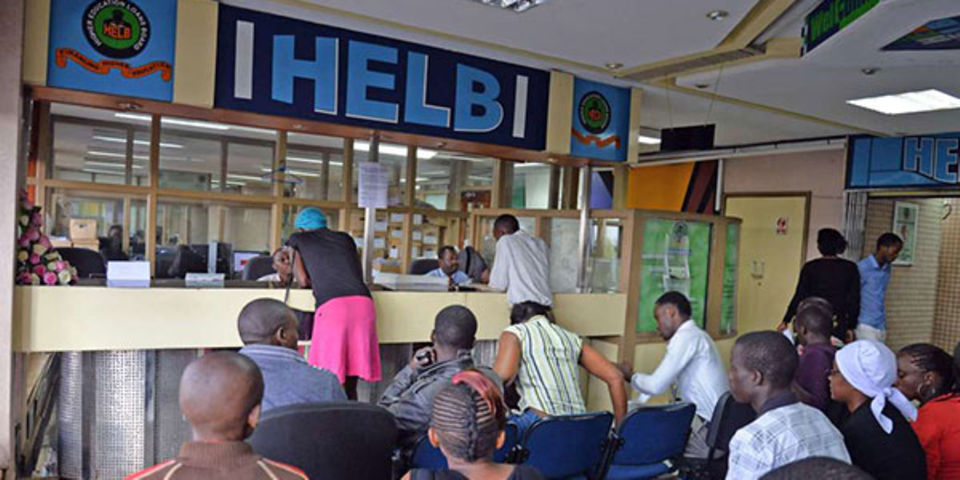
The Higher Education Loans Board (HELB) has been put to task to devise mechanisms for monitoring beneficiaries of its loans and bursaries to confirm whether they are actually pursuing the courses for which they received funding.
The call follows claims by education stakeholders in Embu County that a significant number of loans and bursaries disbursed to trainees at Technical and Vocational Education and Training institutions have gone to waste after beneficiaries abandoned their courses.
Leading the concerns is Mr John Peter Njiru, a community elder and technical skills enthusiast in Mbeere South also known for his work as an exemplary farmer, who claimed most beneficiaries in the sub-county had dropped out of their programmes without notifying the relevant institutions.
Early this year, hundreds of young school leavers were recruited to join short courses at the Jeremiah Nyagah National Polytechnic under sponsorship from the national and county governments, with the candidates qualifying for HELB loans and bursaries.
According to Njiru, most of the beneficiaries, particularly those drawn from the Mbeeti area, abandoned their courses within the first few weeks of training, shortly after completing registration and clearance formalities that made them eligible for bursary and maintenance funds.
ALSO READ:
KUCCPS 2026: The degrees everyone wanted, and the thousands locked out
In Kiamuringa location, a significant number of trainees who had enrolled in courses such as masonry, carpentry, wiring, welding and tiling stopped attending classes altogether, yet continued receiving disbursements from HELB.
Those who abandoned their studies reportedly cited the cost of equipment demanded by the polytechnic administration, which they said was too expensive to afford, alongside registration fees for examinations and transport costs to and from the institution.
Njiru said that despite dropping out, the trainees continued to receive their funding, part of which he claimed was spent on non-essential pursuits, including alcohol consumption. He added that some of the beneficiaries had been overheard boasting about receiving free government money while engaging in drinking sprees.
The elder expressed dissatisfaction with how the mass recruitment exercise had been conducted, faulting officials from the technical institutions and the Constituency Development Fund for failing to establish whether the recruits genuinely had an interest in pursuing the courses before enrolling them.
He argued that the continued disbursement of funds to trainees long after they had abandoned their courses pointed to poor communication between HELB and the management of the various TVET institutions, which he said needed to be strengthened to improve accountability.
ALSO READ:
Itigo Girls reclaim Rift Valley rugby 15s crown after stunning St Joseph
Njiru further suggested that funds channeled directly to the TVETs by HELB and the CDF should instead have been redirected to benefit other applicants, particularly those who had registered independently at the institutions, rather than being lost on trainees recruited under the mass programme who never completed their courses.
He warned that HELB and the CDF risked losing substantial sums of money wired to the colleges on behalf of recruits who neither attended nor completed their training.
Stakeholders link the growing disinterest in technical courses among school leavers in Mbeere South to the thriving miraa and muguka trade, which they say draws many young people away from vocational training, with some spending their time chewing the stimulant instead of acquiring skills. They warned that this trend comes at a cost to the region, where the number of qualified technical personnel required in the construction industry remains low.
Despite growing demand, the availability of skilled personnel in trades such as painting, plumbing, wiring and electrification, which typically require courses lasting between three and six months, has remained low in Mbeere South.
To reverse the trend, stakeholders have proposed major campaigns to market technical courses across Mbeere South, alongside the rollout of short courses delivered through mobile training facilities to cut down on the cost of travelling to established colleges.
By Robert Nyagah
You can also follow our social media pages on Twitter: Education News KE and Facebook: Education News Newspaper for timely updates.
>>> Click here to stay up-to-date with trending regional stories
>>> Click here to read more informed opinions on the country’s education landscape