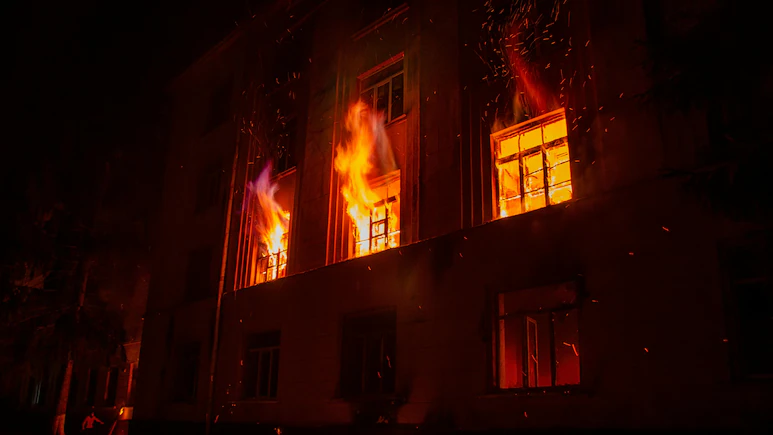
- Strikes and disturbances interrupt rehearsals, shorten training schedules, and divert teachers’ attention, leading to poorly prepared performances at county music festivals.
- Learners carry anxiety and instability into artistic work, while damaged infrastructure forces schools to redirect funds away from costumes, instruments, and professional training, weakening presentation quality.
- Innovation, benchmarking, and discipline have eroded, resulting in repetitive themes, uninspired performances, and lowered standards at county competitions compared to previous years.
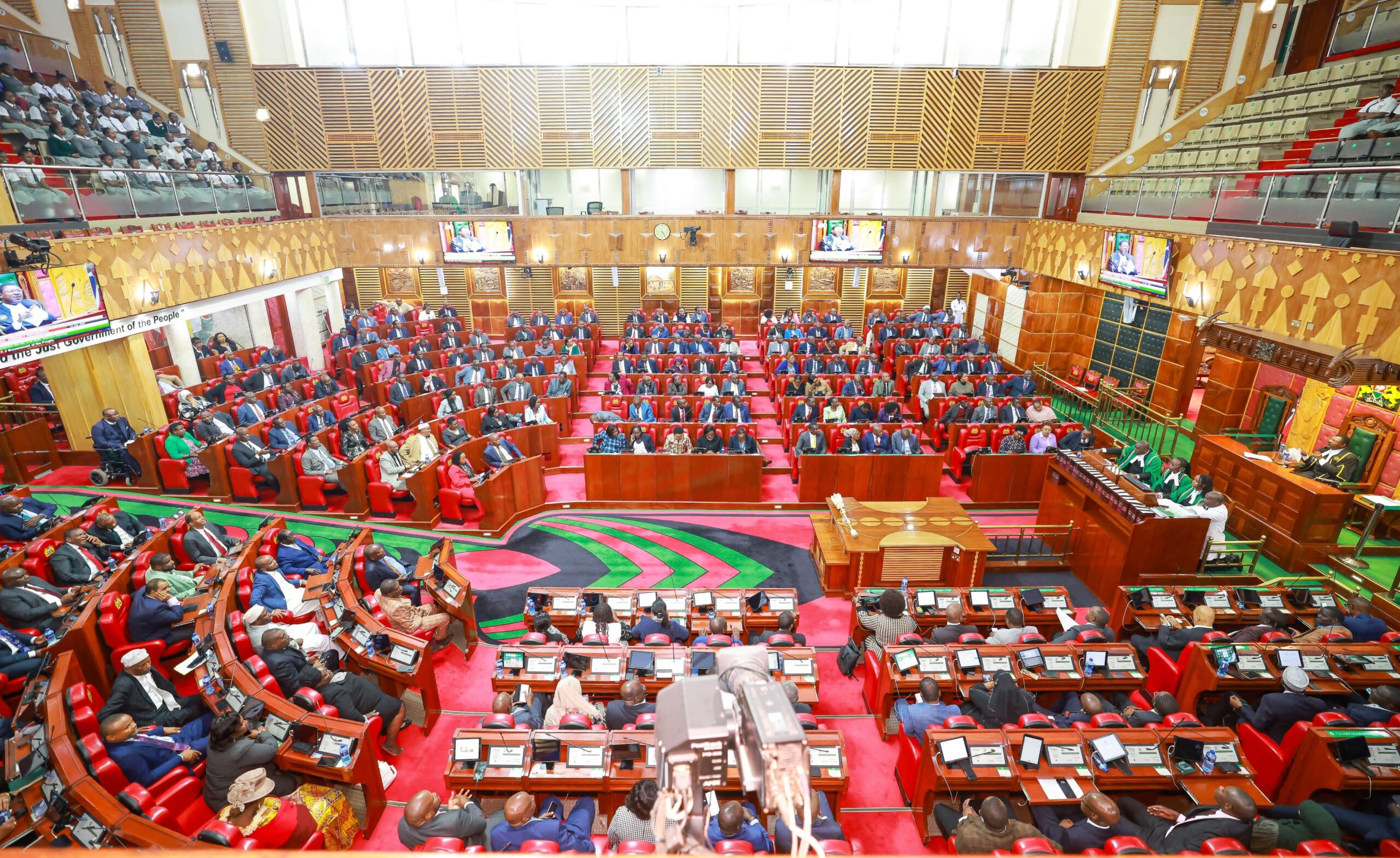
The Kenya Music Festival has for decades remained one of the most prestigious platforms through which learners showcase their artistic talents, creativity, and intellectual prowess. Beyond singing and dancing, the festival nurtures communication skills, critical thinking, cultural appreciation, confidence, teamwork, and innovation among learners. Every year, schools invest significant amounts of time, effort, and resources in preparing items that compete from the zonal level all the way to the national stage. However, this year’s county music festivals have exposed a worrying trend: a noticeable decline in the quality of many performances. While several factors may explain this situation, the ongoing wave of school unrest across the country has played a significant role in undermining the standards traditionally associated with the festival.
Music festival excellence is built on thorough preparation. Schools begin training learners weeks or even months before the competitions. Trainers spend countless hours refining scripts, arranging music, rehearsing choreography, correcting pronunciation, and polishing stage presentation. When schools experience unrest, this entire process is disrupted. In many institutions, learning programmes are suspended for days as administrators, teachers, and education officials focus on restoring order. Rehearsals are cancelled, training schedules are interrupted, and valuable preparation time is lost. By the time learners return to normal routines, the momentum necessary for quality performances has already been broken.
The psychological effects of unrest on learners have also contributed to poor festival performances. Successful artistic presentations require confidence, enthusiasm, concentration, and emotional stability. Learners who have recently witnessed demonstrations, destruction of property, disciplinary crackdowns, or heightened tensions within their schools often struggle to focus on creative activities. Instead of rehearsing with excitement and passion, they carry anxiety and uncertainty into the training sessions. Such emotional strain inevitably affects the quality of performances, resulting in presentations that appear mechanical, uninspired, and lacking in artistic depth.
Teachers and trainers have equally been affected by the unrest. Many of the educators responsible for coaching music festival items are the same individuals tasked with managing discipline, conducting investigations, attending emergency meetings, and implementing measures aimed at preventing further disturbances. Their attention becomes divided between crisis management and co-curricular activities. Under such circumstances, it becomes difficult for trainers to dedicate the level of commitment required to produce outstanding performances. Creative energy that would ordinarily be directed towards refining festival items is instead consumed by the challenges associated with maintaining order in schools.
ALSO READ:
Another major consequence of unrest is the disruption of school calendars. Whenever schools experience strikes or disturbances, administrators are forced to adjust programmes to recover lost learning time. Academic activities naturally take precedence because schools must complete syllabi and prepare candidates for national examinations. Co-curricular activities, including music festivals, are often pushed to the margins. Rehearsal periods become shorter, training sessions less frequent, and preparation less intensive. As a result, many items that reach county competitions are inadequately rehearsed and poorly developed.
Financial constraints arising from unrest have further weakened the quality of festival presentations. In schools where property has been damaged, management must allocate resources towards repairs and restoration. Funds that might have been used to purchase costumes, transport learners, hire professional trainers, acquire musical instruments, or develop stage props are redirected towards emergency needs. The impact is visible in performances characterized by poor costumes, inadequate equipment, and limited creativity in presentation. Music festivals are highly competitive events where visual appeal often complements artistic quality. Without sufficient resources, schools struggle to produce items capable of impressing adjudicators.
The spirit of innovation has also suffered. Quality festival items emerge from environments that encourage creativity, experimentation, and collaboration. Unfortunately, schools experiencing unrest often operate in survival mode. Teachers become cautious, learners become withdrawn, and opportunities for creative engagement diminish. Instead of developing fresh concepts and original compositions, some schools resort to hurried preparations and recycled ideas. This explains why adjudicators at county festivals are increasingly encountering repetitive themes, predictable performances, and limited originality.
School unrest has also reduced opportunities for benchmarking and exposure. In previous years, schools frequently organized joint rehearsals, exchange programmes, and cultural clinics where learners and trainers could interact, share ideas, and improve their performances. Such activities broaden perspectives and enhance quality. However, the current atmosphere of instability has discouraged many schools from engaging in these collaborative ventures. The result is a narrowing of creative horizons and a decline in the overall competitiveness of festival items.
Discipline, which is essential for successful performances, has equally been affected. A music festival item requires learners to work together harmoniously, follow instructions, observe rehearsal schedules, and maintain focus. In schools where unrest has weakened discipline structures, trainers often encounter resistance, absenteeism, lateness, and lack of commitment among participants. These challenges make it difficult to achieve the level of precision required for outstanding performances. Weak coordination, poor timing, and inconsistent execution become evident on stage.
ALSO READ:
Booming business for Kisii traders as multitudes attend school games, music festival
The county-level competition traditionally serves as a showcase of excellence, where only the best items from sub-county festivals advance. Ideally, audiences and adjudicators expect performances that demonstrate high levels of creativity, technical competence, and artistic maturity. Unfortunately, the disruptions caused by unrest have lowered the quality threshold in many counties. Some items that would previously have been eliminated at lower levels are advancing simply because stronger competitors have been weakened by preparation challenges. This has contributed to a general perception that standards have declined.
Yet, amidst these challenges, the situation also presents an opportunity for reflection. School unrests are not merely disciplinary problems; they are indicators of deeper issues affecting learners and institutions. Addressing the root causes of unrest can have positive effects that extend beyond classroom learning and into co-curricular activities. Schools that promote open communication, effective guidance and counselling, learner participation in decision-making, and strong relationships between students and teachers are more likely to enjoy stable environments conducive to both academic and artistic excellence.
Ultimately, the quality of music festival items reflects the health of the educational environment from which they emerge. When schools are stable, disciplined, and focused, learners thrive, and creativity flourishes. When unrest dominates school life, artistic programmes inevitably suffer. The declining quality of performances witnessed at many county festivals this year should therefore serve as a reminder that educational success is not measured solely through examination results. It is equally reflected in the ability of schools to nurture talent, inspire creativity, and provide environments where learners can fully express their potential. Until stability is restored in schools, the music festival movement may continue to struggle to achieve the high standards that have long defined one of Kenya’s most cherished educational traditions.
By Ashford Kimani
Ashford, a teacher of English and Literature, comments on education and social affairs
You can also follow our social media pages on Twitter: Education News KE and Facebook: Education News Newspaper for timely updates.
>>> Click here to stay up-to-date with trending regional stories
>>> Click here to read more informed opinions on the country’s education landscape
>>> Click here to stay ahead with the latest national news.