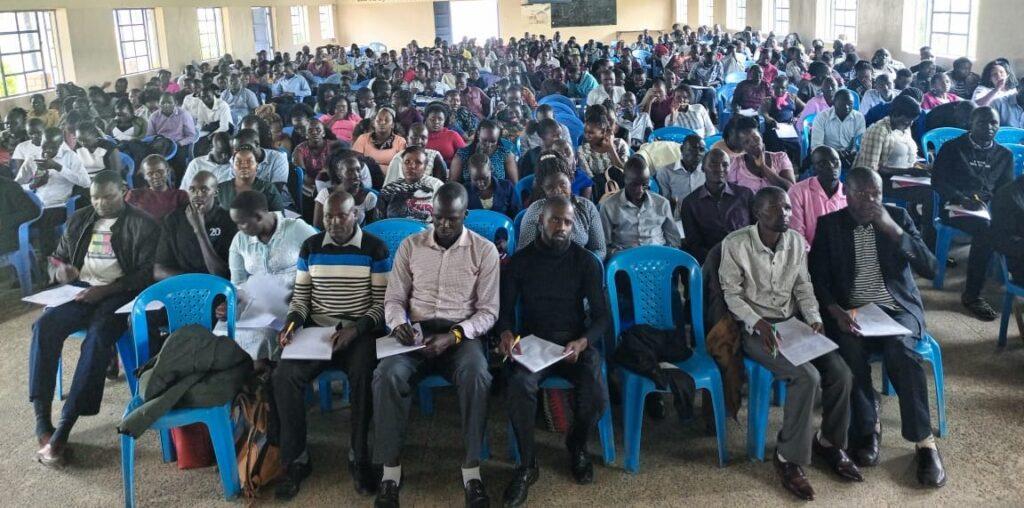
- Stakeholders at the Fourth International Research Conference at Kabete National Polytechnic called for stronger inclusion in skills training programmes.
- Participants emphasized the need for targeted financing, mentorship and industry partnerships to support youth, women and persons with disabilities.
- They argued that inclusive TVET systems are critical for reducing unemployment, promoting equity and driving socio-economic transformation.
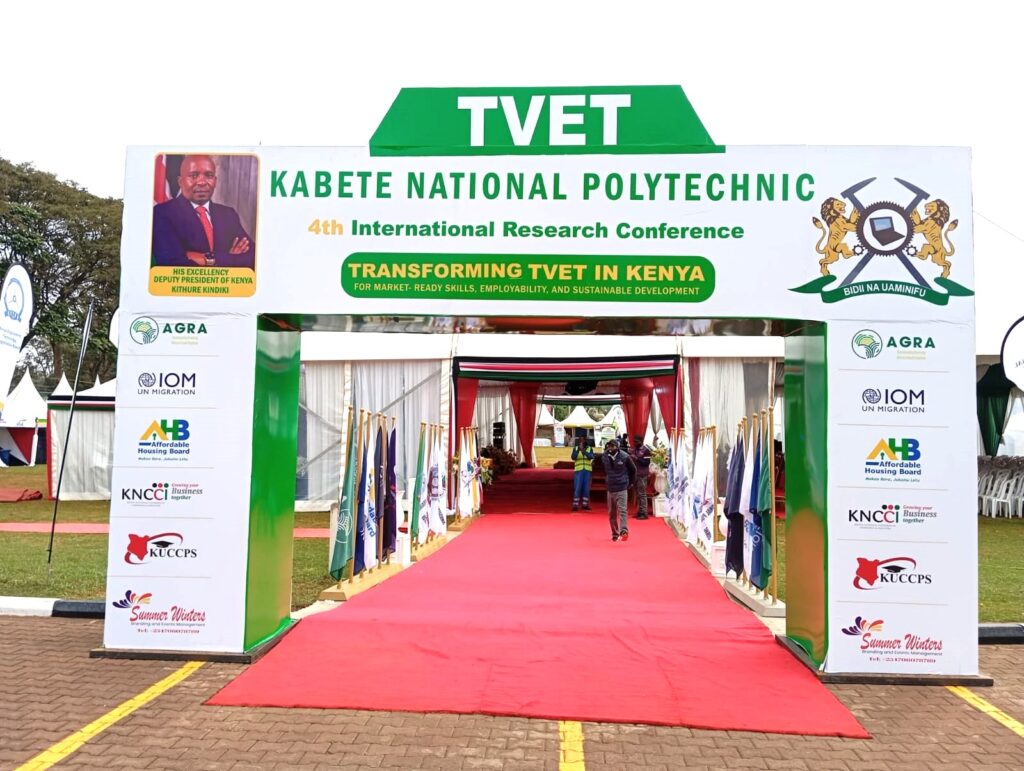
A strong call for greater inclusion, targeted financing, mentorship and industry partnerships dominated discussions during the Fourth International Research Conference, Skills Competition, Innovation, Career Guidance and Expo held at Kabete National Polytechnic.
Stakeholders explored ways of enhancing access to skills training for youth, women and persons with disabilities.
The three-day international conference brought together education leaders, development partners, industry representatives and policymakers who emphasized that inclusive Technical and Vocational Education and Training (TVET) systems are critical in addressing unemployment, reducing inequality and accelerating Kenya’s socio-economic transformation.
The panel discussion on Enhancing Inclusion of Youths, Women and Persons with Disabilities in Skills Training featured representatives from SHOFCO, the National Industrial Training Authority and the TVET sector.
Panelists included Kevin Thuku, Programme Director at NRCF; Rachel Kiaritha, Chief Executive Officer of the Kenya Counselling and Psychological Association; Rachel Kimani, Chief Principal of Nyeri National Polytechnic; and Priscilla Nduku, Principal of Machakos Technical Training Institute for the Blind (MTTIB).
Participants noted that inclusion goes beyond enrolment and requires deliberate efforts to ensure equitable access, participation and successful transition into employment for all learners regardless of gender, disability, financial status or geographical location.

A representative from the TVET sector highlighted the significant strides made by the government in expanding access to vocational education.
The official noted that the number of TVET institutions has grown substantially as part of efforts to ensure every constituency has access to skills training opportunities.
Government policies on gender equality and disability mainstreaming have also contributed to increased enrolment, with student numbers rising from approximately 200,000 learners in 2022 to nearly 800,000 currently.
The panel heard that disability inclusion remains a key priority, with institutions being encouraged to provide accessible infrastructure and learning environments for learners with disabilities.
Government scholarship programmes, bursaries and other financial support mechanisms were also cited as critical interventions helping vulnerable learners access training opportunities.
Industry Partnerships Key to Employment
Speaking during the discussion, Kevin Thuku highlighted the importance of aligning training with labour market demands and building strong partnerships between training institutions and employers.
Drawing from his organisation’s experience, Thuku said more than 300 young people had been supported through skills development programmes, with over 70 per cent successfully transitioning into employment.
“Employers need to create pathways into the workforce through internships, apprenticeships and inclusive recruitment practices. Young people should be viewed as assets with potential rather than risks,” he said.
Thuku further urged employers to move beyond rigid experience requirements and provide opportunities for fresh graduates to gain workplace exposure.
He also called on industry associations to provide training institutions with up-to-date information on emerging skills needs so that graduates are equipped with competencies relevant to the job market.
Barriers Facing Learners
Rachel Kiaritha outlined several barriers that continue to limit access to TVET education among young people, women and persons with disabilities.
Among the challenges identified were financial constraints, social and cultural barriers, teenage pregnancies, gender stereotypes, inadequate infrastructure, geographical limitations and lack of information about available training opportunities and funding support.
“Many young people are unaware of the opportunities available in TVET institutions or the financial support programmes that can help them pursue their education. Access to information remains a significant barrier,” she said.
She also noted that many young women continue to be discouraged from pursuing STEM courses due to perceptions that technical careers are predominantly for men.
Mentorship and Financing
Priscilla Nduku stressed that creating an inclusive TVET ecosystem requires deliberate alignment of policy frameworks, sustainable financing mechanisms and strategic partnerships.
She advocated for increased government subsidies, scholarships, bursaries and performance-based funding models that prioritise enrolment and successful completion by marginalised learners.
Nduku also proposed stronger public-private partnerships to support training programmes, establish centres of excellence and expand innovation and incubation hubs within TVET institutions.
The panelists unanimously agreed that mentorship remains one of the most effective tools for increasing participation of women in technical fields.
They observed that many young women lack role models in engineering, construction and other STEM disciplines.
Stakeholders therefore called for mentorship programmes targeting girls in primary and secondary schools to inspire the next generation of female professionals.
Rachel Kimani said TVET institutions must take proactive steps to support female learners through career guidance, financial assistance and learner-friendly facilities.
She cited the establishment of daycare facilities at Nyeri National Polytechnic as one of the measures helping young mothers continue with their education.
As the conference concluded, participants agreed that inclusive skills development is essential for unlocking the potential of Kenya’s youthful population and ensuring that no learner is left behind.
READ ALSO: Teachers demand answers over mysterious KSh108 deduction on June payslips
They called for sustained collaboration among government agencies, educational institutions, industry, civil society organisations and development partners to build an inclusive and responsive TVET system capable of preparing all learners for decent work, entrepreneurship and national development.
By Felix Wanderi
You can also follow our social media pages on Twitter: Education News KE and Facebook: Education News Newspaper for timely updates.
>>> Click here to stay up-to-date with trending regional stories
>>> Click here to read more informed opinions on the country’s education landscape
>>> Click here to stay ahead with the latest national news.