-
Using learners’ names helps them feel recognized, valued, respected, and included in the classroom environment.
-
Effective teachers build personal relationships with learners before demanding academic excellence.
-
Adolescents especially need emotional recognition, acceptance, and identity affirmation from teachers.
By Hillary Muhalya
There is a unique kind of power hidden in one simple act many educators overlook every day, calling a learner by name. In schools across the world, some learners walk through classrooms unnoticed, unheard, and emotionally disconnected, not because teachers dislike them, but because the human connection between teacher and learner has slowly weakened under pressure, workload, and overcrowded classrooms.
Yet the moment a teacher identifies a learner by name, something extraordinary begins to happen.
A name is not just a label. A name carries identity, dignity, belonging, recognition, and emotional value. When a teacher calls a learner by name with warmth and respect, the learner immediately feels seen, valued, accepted, and important within the learning environment. That simple recognition can transform attitude, discipline, confidence, participation, and academic performance.
Walk into many successful schools and observe closely. You will discover that effective teachers rarely refer to learners as “you there,” “boy,” “girl,” or “that student.” They intentionally know learners personally. They understand their names, strengths, weaknesses, talents, behavior patterns, and emotional struggles. Such teachers build relationships before demanding performance.
Many learners today are battling silent emotional struggles. Some come from broken families. Others suffer neglect, poverty, depression, rejection, or low self-esteem. Some are constantly criticized at home and rarely hear positive words spoken to them. In such situations, school becomes more than an academic institution — it becomes an emotional refuge. A teacher who identifies learners by name can unknowingly become a source of healing and stability.
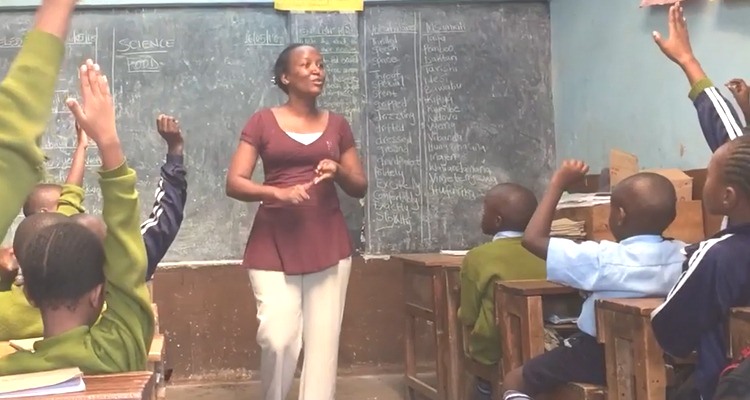
When a learner hears, “Brian, excellent answer,” “Faith, thank you for your effort,” or “Amina, I believe you can improve,” motivation rises naturally. The learner begins to feel important. Confidence grows. Participation increases. The fear of failure slowly disappears. The classroom becomes psychologically safe.
Lessons from Nyamira tragedy that mirrors Shakespeare’s Romeo and Juliet
This is especially important among adolescents and teenagers. At this stage, learners are highly sensitive to acceptance, identity, and emotional recognition. Teenagers want to feel understood and respected. When teachers know them personally, they become more cooperative, more disciplined, and more open to guidance.
On the other hand, learners who feel ignored often disconnect emotionally from school. Some become stubborn, withdrawn, noisy, or rebellious simply because they are seeking recognition in the wrong ways. Human beings naturally desire attention and belonging. When positive recognition is absent, negative behavior sometimes becomes the alternative route to being noticed.
Identifying learners by name also strengthens classroom discipline in a very powerful way. Discipline becomes easier when learners feel emotionally connected to teachers. A learner is less likely to disrespect a teacher who genuinely knows and values them. Respect grows naturally where relationships exist.
In many schools, teachers complain about indiscipline, poor concentration, absenteeism, and learner disengagement. While these challenges have many causes, emotional disconnect between teachers and learners is becoming a major hidden problem in modern education systems. Education cannot succeed through content delivery alone. Learning is deeply emotional and relational.
The Competency-Based Education system particularly demands learner-centered engagement. This means teachers must move beyond merely covering the syllabus and instead understand learners individually. CBE emphasizes talents, abilities, creativity, collaboration, communication, and personal growth. Such goals cannot be achieved effectively where learners feel invisible.
A teacher who identifies learners by name creates inclusivity inside the classroom. Slow learners feel accepted instead of embarrassed. Learners with special needs feel recognized instead of isolated. Quiet learners gain confidence to speak. Even academically strong learners become more responsible when they know the teacher understands them personally.
ALSO READ;
Parents raise concerns over education funding despite record allocation
In lower grades, the effect is even more magical. Young children emotionally attach themselves to teachers who recognize them warmly. Their excitement increases when teachers remember their names, appreciate their work, and celebrate their small achievements. Such emotional security creates a strong foundation for future learning.
Parents also appreciate teachers who know their children personally. It gives confidence that the learner is not just another number in class but an individual receiving attention and care. Schools that encourage positive teacher-learner relationships often experience stronger parental support and improved academic environments.
However, identifying learners by name is not merely about memorizing names. It is about attaching value to human identity. It means listening carefully, observing behavior patterns, understanding emotional needs, and building trust. Some teachers know learners’ names but still create fear through insults, humiliation, harshness, or intimidation. True identification must be accompanied by empathy, respect, patience, and emotional intelligence.
Modern education systems are increasingly becoming mechanical. Technology, examinations, paperwork, and administrative pressure are consuming valuable human interaction within schools. In the process, emotional connection is slowly disappearing. Yet learners do not only remember what teachers taught; they remember how teachers made them feel.
Years after leaving school, many former learners rarely remember specific notes or assignments, but they vividly remember teachers who called them by name, encouraged them during difficult moments, believed in them, and treated them with dignity.
Some of the world’s greatest leaders, professionals, innovators, and thinkers succeeded because somewhere along the journey, a teacher recognized them personally and made them feel capable. Sometimes academic transformation begins not with expensive infrastructure, advanced technology, or complex reforms, but with simple human connection.
School administrators should therefore encourage teachers to strengthen personal interaction with learners. Orientation programs, mentorship systems, class meetings, guidance sessions, and co-curricular activities can help teachers understand learners better beyond academics.
Teacher training institutions should also emphasize emotional intelligence and relational teaching approaches. A teacher’s effectiveness is not measured only by academic results but also by the ability to inspire, nurture, guide, and emotionally support learners.
In overcrowded classrooms, identifying every learner may appear difficult, but even small efforts matter greatly. Greeting learners personally, learning names gradually, appreciating effort publicly, and speaking respectfully can completely change classroom culture.
The future of education will not only depend on curriculum reforms, digital learning, or policy changes. It will depend heavily on restoring humanity within schools. Learners perform better where they feel emotionally safe, respected, and recognized.
Indeed, there is real magic in identifying learners by name. It awakens confidence, builds belonging, strengthens discipline, unlocks potential, and transforms classrooms into communities of care and growth.
You can also follow our social media pages on Twitter: Education News KE and Facebook: Education News Newspaper for timely updates.
>>> Click here to stay up-to-date with trending regional stories
>>> Click here to read more informed opinions on the country’s education landscape