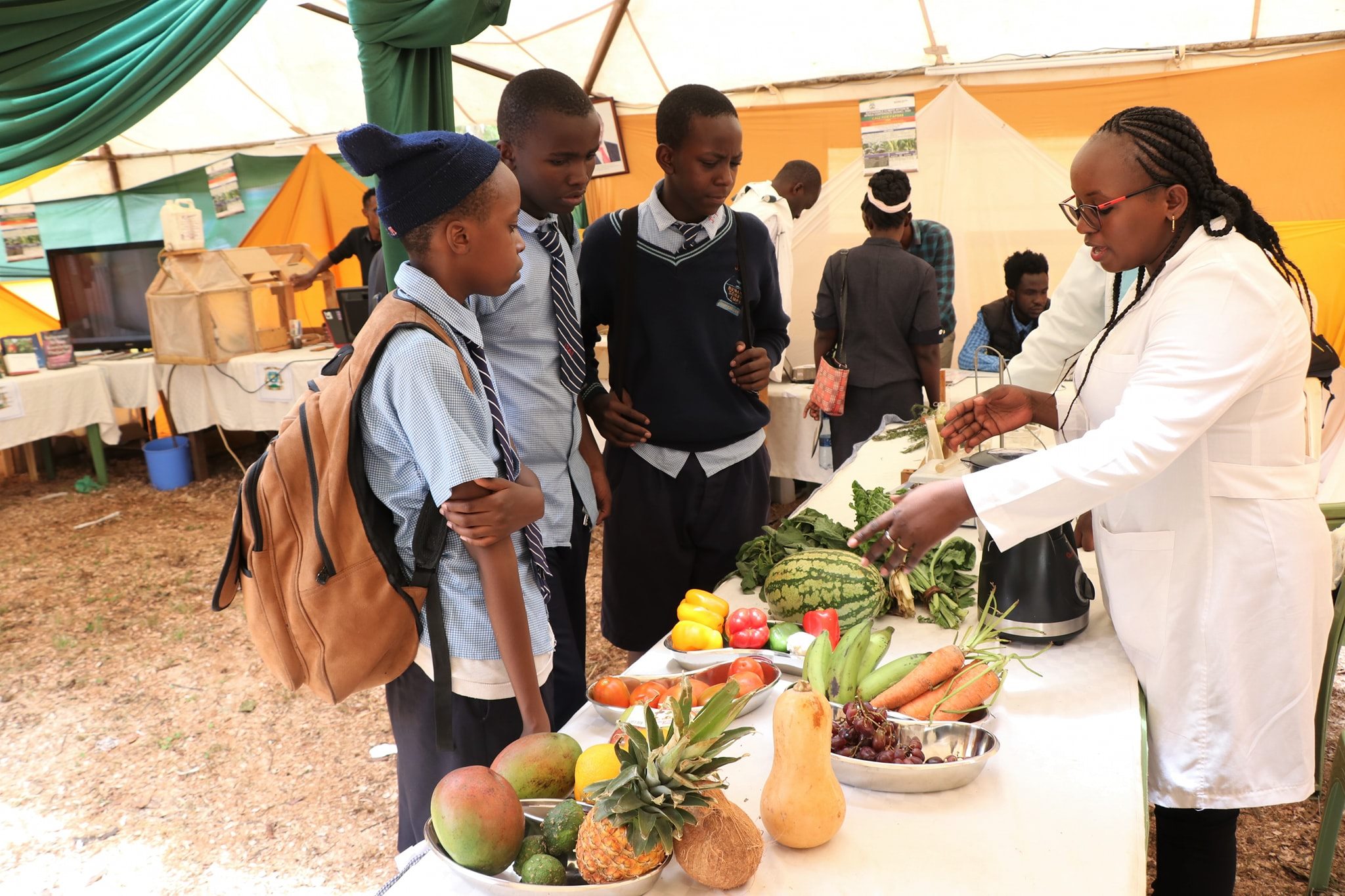
Schools in Embu County have been urged to establish training partnerships with prominent farmers located near their institutions to equip learners with practical livestock and crop farming skills.
Leading farmers said the current once-a-year interaction with agricultural exhibitions during the ASK Embu Branch Agricultural Show is insufficient to inspire young people to embrace agriculture as a viable economic activity.
Speaking on the matter, prominent horticultural farmer Benard Kioko called on schools to identify reliable water sources for irrigation and initiate small-scale commercial farming projects within their institutions.
The Manyatta Constituency-based farmer noted that despite his more than two-acre horticultural farm being located near Gatondo, Karurina and Itabua primary and secondary schools, there has been minimal learning engagement between his farm, teachers and students.
Kioko observed that with adequate water and stronger linkages between schools and medium- or small-scale commercial farmers, institutions could launch income-generating agricultural projects while motivating learners to develop interest in farming ventures.
ALSO READ:
He added that many schools possess sizeable tracts of land which, if supported with irrigation water and practical agro-training through farm field visits, could greatly benefit both teachers and learners through hands-on agricultural experience.
According to Kioko, Gatondo Primary and Junior Secondary School is located less than 200 metres from the Gatondo Well, a potentially rich water source that remains abandoned and underutilized.
As a result, the school’s more than two acres of land remain idle or are leased to private farmers because school administrators have failed to tap into the agricultural potential that could be realized through irrigation.
Kioko further suggested that the untapped water resource could be harnessed and distributed to neighbouring farmers at affordable rates to promote food security while also creating practical learning opportunities for students, teachers and even parents.
He also pointed out what he termed as a major disconnect between agriculture lessons taught in schools under the Competency-Based Education (CBE) system and the practical application of those skills at home and within communities.
Kioko explained that some learners as early as Grade Five are capable of describing complex farming methods and proper land management practices theoretically, but their potential remains largely untapped due to limited interaction with agricultural experts and farming activities at the community level.
ALSO READ:
Concerns grow over fate of non-local teachers in NEP as contracts near expiry
He lamented that many parents have yet to embrace the practical agricultural lessons promoted under the CBE curriculum, particularly the involvement of learners in hands-on farm activities at home.
“Listening to CBE learners explain basic crop farming concepts to parents at home clearly shows that learners are well informed, and these lessons can easily be translated into practical activities,” Kioko said.
By Robert Nyagah
You can also follow our social media pages on Twitter: Education News KE and Facebook: Education News Newspaper for timely updates.
>>> Click here to stay up-to-date with trending regional stories
>>> Click here to read more informed opinions on the country’s education landscape