Words matter. More so when they are spoken by elected leaders on the floor of Senate. Public speech is never merely private expression when it comes from those entrusted with legislative authority. It shapes culture, legitimizes attitudes and signals what society is willing to tolerate.
That is why the recent remarks by Karen Nyamu directed at a 15-year-old girl generated such widespread outrage across Kenya.
This was not harmless humor. It was not “banter.” It was not a misunderstood joke exaggerated by social media. It was sexual innuendo aimed at a minor by a sitting Senator of the Republic of Kenya. The gravity of that reality cannot and should not be minimized.
Even more troubling than the remarks themselves was the visible reluctance surrounding the apology that followed. An apology carries moral weight only when accompanied by sincerity, reflection and ownership. In this case, the public witnessed a leader who appeared more inconvenienced by the backlash than genuinely remorseful about the harm caused.
The apology came after sustained pressure from fellow Senators and a wave of public condemnation. Yet even while delivering it, there remained an unmistakable tone of resistance and self-justification.
That matters because leadership is not merely about occupying office. It is about understanding the ethical expectations attached to that office.
ALSO READ:
Kakamega School medical facility set for renovation as Kenya Power foundation moves in
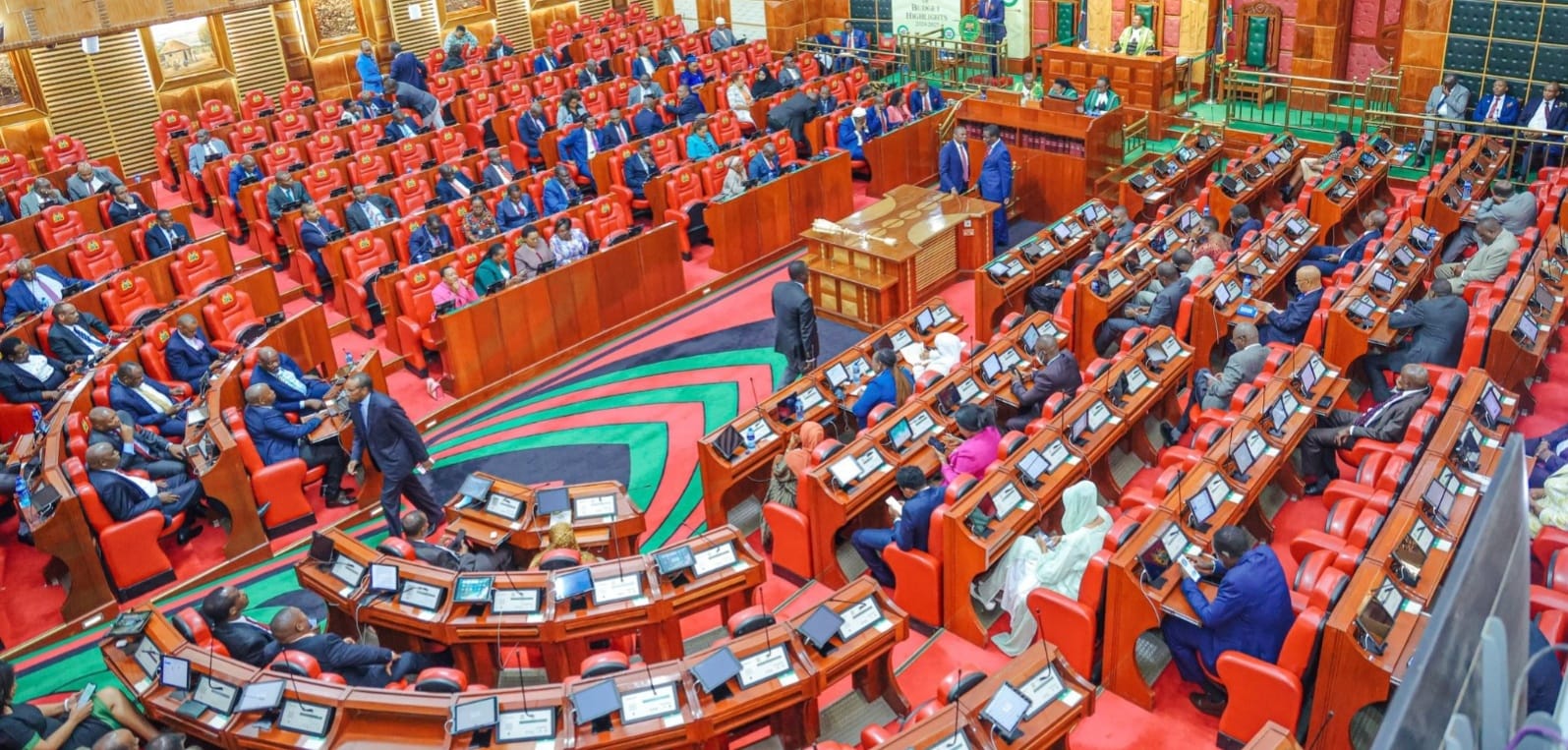
The Kenyan Senate is not a marketplace argument or a social media comment section. It is one of the highest legislative chambers in the country. Citizens expect it to embody seriousness, decorum and wisdom. When vulgarity, ridicule or sexualized commentary enter such a chamber, the institution itself suffers reputational injury.
The Senate, historically, was conceived as a house of statesmanship. The very concept traces its origins to Roman Senate in Ancient Rome, where elders and statesmen were entrusted with deliberative responsibility over matters affecting the republic.
Across democratic traditions worldwide, upper houses have symbolized maturity, restraint and sober judgment. Senators are expected to rise above impulsiveness and conduct themselves with dignity befitting the offices they hold.
This is not an argument for elitism or robotic leadership. Leaders are human beings. They laugh, joke and occasionally misspeak. But there is a line that responsible leadership must never cross, especially where children are involved. Sexual innuendo directed at a teenager crosses that line completely.
Kenya today faces a disturbing rise in cases involving gender-based violence, exploitation of minors, online harassment and abuse of girls. Schools, churches, civil society organizations and parents are constantly trying to teach young people about bodily autonomy, self-respect and personal safety. Governments spend billions on campaigns aimed at protecting children from predatory behavior and inappropriate sexualization.
Against that backdrop, what message is sent when a national leader casually makes sexually suggestive remarks involving a 15-year-old girl?
The danger lies not only in the words themselves but in the normalization they risk creating. Public figures influence social standards. Their conduct can either reinforce societal boundaries or erode them. When inappropriate speech is dismissed as humor, society slowly loses its moral sensitivity. The unacceptable becomes tolerated. The shocking becomes ordinary.
That is why public outrage in this matter was justified and necessary.
ALSO READ:
Lawyers, students urged to promote alternative justice systems in rural communities
The response from fellow Senators was also important. Institutions preserve credibility when members are willing to hold one another accountable. Silence in moments like these can easily be interpreted as institutional approval. By expressing concern and demanding an apology, Senators affirmed that certain standards must still exist within Kenya’s democratic spaces.
Still, the episode raises uncomfortable questions about the state of political culture in the country.
Kenyan politics increasingly rewards spectacle over substance. Viral moments often overshadow meaningful policy debates. Politicians gain more traction through controversy than through legislative contribution. Social media ecosystems amplify sensationalism because outrage attracts attention faster than reasoned discourse. In such an environment, some leaders begin confusing publicity with leadership.
But leadership is not performance art.
A Senator seeking to represent Nairobi — one of Africa’s largest and most dynamic cities — carries an even greater burden of responsibility. Nairobi’s women and girls face serious challenges ranging from economic exclusion to insecurity, exploitation and unequal access to opportunities. Citizens expect female leaders especially to champion dignity, protection and empowerment for vulnerable girls. That expectation does not arise from gender stereotypes but from the moral obligations inherent in public representation.
This controversy therefore feels deeply contradictory to many Kenyans. It is difficult to reconcile advocacy for women’s rights with language that appears to trivialize the dignity of a teenage girl.
The issue here should not descend into political tribalism or personal hatred. Democratic societies must resist the temptation to reduce every controversy into camps of blind defenders and permanent enemies. Accountability is not persecution. Criticism of conduct is not rejection of a person’s humanity.
What citizens are demanding is simpler and more fundamental: maturity.
Public office demands emotional discipline. It requires awareness that every statement carries influence beyond the immediate moment. Leaders shape national conversations, especially among the youth who watch them closely. Young girls listening to parliamentary debates should hear examples of respect, intelligence and ethical leadership — not comments that reduce them to objects of innuendo.
ALSO READ:
There is also an important lesson here for Kenya’s broader political class. Authority without restraint eventually weakens democratic institutions. Citizens lose confidence in governance when legislative chambers become associated with theatrics rather than thoughtful leadership. Democracy survives not only through constitutions and elections but also through culture, norms and standards of conduct.
A nation ultimately reflects the tone set by its leaders.
At a time when Kenya is grappling with economic strain, youth frustration and declining public trust in institutions, leaders should be elevating national discourse rather than dragging it downward. The Senate ought to be a chamber where ideas compete, policies are refined and national dignity is upheld.
The public reaction to this incident shows that Kenyans still believe standards matter. That is encouraging. It means society has not completely surrendered to cynicism. Citizens still expect their leaders to embody decency, especially in matters involving children.
That expectation should never be dismissed as political correctness. It is civilization itself.
By Ashford Kimani
Ashford teaches English and Literature in Gatundu North Sub-county and serves as Dean of Studies.
You can also follow our social media pages on Twitter: Education News KE and Facebook: Education News Newspaper for timely updates.
>>> Click here to stay up-to-date with trending regional stories
>>> Click here to read more informed opinions on the country’s education landscape