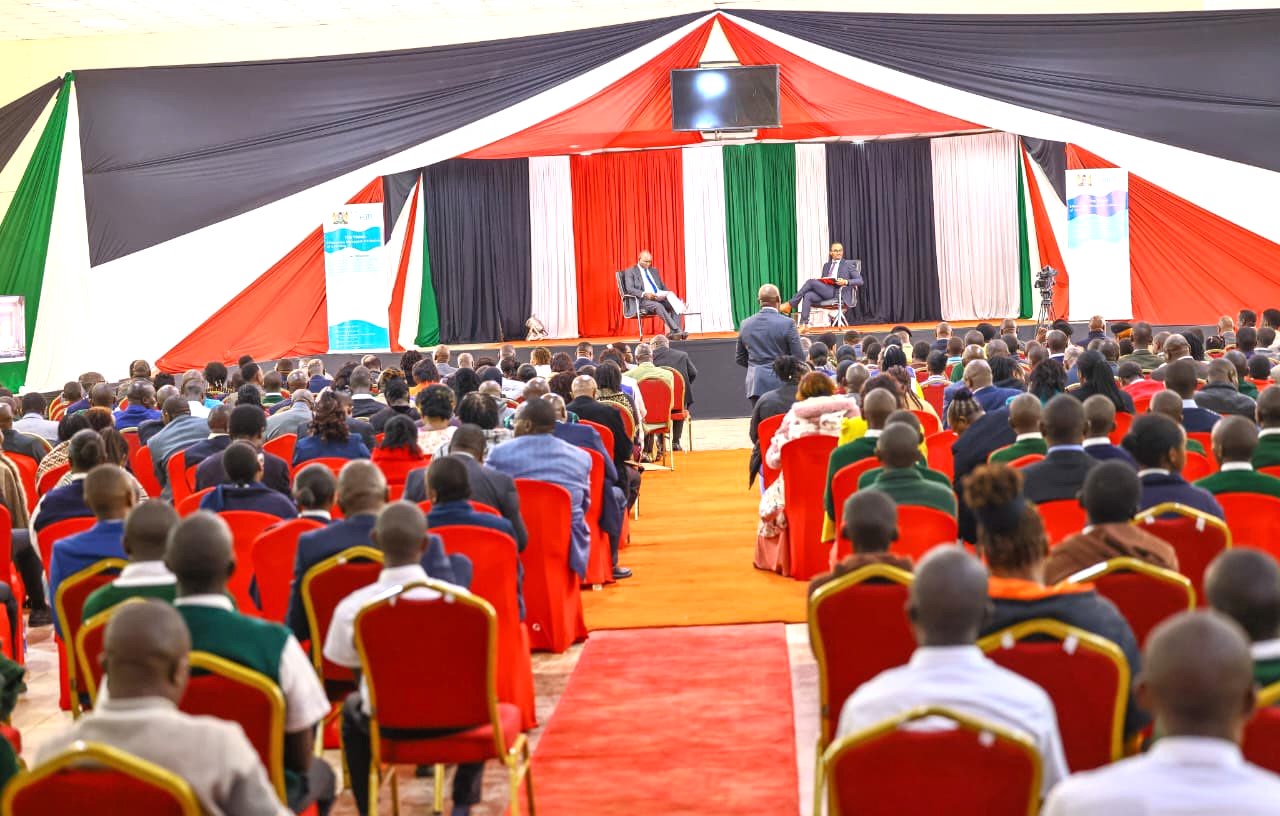
The national debate in Nakuru, organised by a local TV station, did more than showcase eloquence and intellectual sharpness—it exposed the full character of Kenya’s education system: its brilliance, its imbalance, and its growing public demand for integrity. What played out on that stage was not just a contest of arguments.
It was a reflection of a nation wrestling with a fundamental question: Can Kenya deliver quality education that is both excellent and corruption-free? At first glance, the answer seems promising.
The students who took to the podium demonstrated extraordinary ability. They argued with clarity, dismantled opposing views with precision, and connected complex national issues with confidence that signalled deep understanding. This is the strength of Kenya’s evolving education system—learners are increasingly being shaped not just to recall information, but to think, question, and engage. The debate amplified what classrooms are beginning to produce. It revealed a shift toward competence, toward expression, toward intellectual courage.
These learners are not passive recipients of knowledge—they are active participants in shaping ideas. Their confidence, composure, and awareness point to a system that, at its best, is working. Behind this success stands the often-unseen force of dedicated teachers. Despite limited resources and mounting pressure, they continue to nurture talent, refine thought, and guide learners toward excellence. Their role remains one of the strongest pillars of the system.
But just as the applause rose in Nakuru, so too did the contradictions. Because what the debate also revealed—quietly but unmistakably—is that excellence in Kenya’s education system is not evenly distributed. Some students spoke with polish and authority. Others struggled—not because they lacked intelligence, but because they lacked exposure, training, and opportunity. The gap was visible.
It was uncomfortable. And it was telling. This is where the conversation shifts from performance to reality. The disparities seen on stage are rooted in deeper systemic issues—unequal resource allocation, inconsistent support for co-curricular activities, and varying levels of teacher capacity. Schools with strong traditions and better funding continue to dominate national platforms, while equally capable learners from less privileged backgrounds remain on the margins.
And then comes the more troubling layer: integrity. Across the country—from Nakuru to Nairobi—Kenyans are no longer just demanding access to education. They are demanding quality education that is free from corruption. The brilliance displayed in Nakuru has only intensified this demand. Because if such potential exists, then any system failure is no longer a matter of limitation—it becomes a matter of mismanagement.
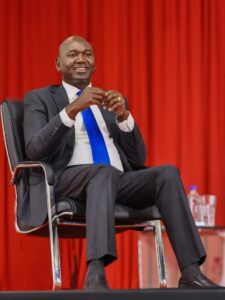
Julius Bitok, Principal Secretary in the Ministry of Education, has consistently emphasised the need for accountability, efficient use of resources, and strengthening systems that ensure fairness across the sector. His stance reflects a growing recognition that without integrity, the gains seen in platforms like the Nakuru debate cannot be sustained or expanded. Corruption—whether subtle or systemic—undermines everything the debate celebrated. When funds meant for learning materials are mismanaged, classrooms suffer.
When infrastructure budgets are compromised, students learn in strained conditions. When opportunities are unevenly distributed, talent is suppressed. The result is a system where brilliance exists—but only in pockets. Even more concerning is the creeping culture of over-coaching observed in some debate performances. While preparation is necessary, excessive scripting risks turning learners into performers rather than thinkers.
It creates an illusion of competence while weakening genuine intellectual independence. In a system already grappling with questions of integrity, this only deepens the concern: are we educating minds, or staging excellence? Language, too, remains a silent divider. Students with a strong command of English dominated discussions, while others struggled to express equally valid ideas.
This is not just a linguistic issue—it is an equity issue. When expression becomes a barrier, education fails in its most fundamental role. And yet, despite all these weaknesses, Nakuru offered something powerful: proof. Proof that Kenya has the capacity to produce world-class thinkers. Proof that students, when supported, can rise beyond expectations.
Proof that the system, when it works, delivers excellence. But proof alone is not enough. The real challenge is scaling that excellence—and protecting it from the corrosive effects of corruption and inequality. This requires more than policy statements. It demands action.
Resources must be transparently managed so that every school benefits, not just a few. Opportunities like debate must be expanded to reach all learners, not just established institutions. Teachers must be continuously supported to nurture critical thinking in everyday classrooms. And most importantly, integrity must move from being an expectation to being a guarantee.
Because the demand from Kenyans is no longer negotiable. They are not asking for isolated success stories. They are demanding a system that works for everyone. They are not impressed by moments of brilliance alone. They want consistency, fairness, and accountability.
The Nakuru debate, organised by a local TV station, delivered a clear message: Kenya is not short of talent. It is short of equal opportunity and uncompromised systems. If the country gets it right—if it aligns excellence with integrity—then the brilliance seen on that stage will no longer be exceptional. It will be normal.
READ ALSO: MoE disputes report on alleged mass CBE dropouts, questions data accuracy
But if it fails, then Nakuru will remain what it is today: a powerful showcase of what is possible, and a painful reminder of what is still out of reach.
By Hillary Muhalya
You can also follow our social media pages on Twitter: Education News KE and Facebook: Education News Newspaper for timely updates.
>>> Click here to stay up-to-date with trending regional stories
>>> Click here to read more informed opinions on the country’s education landscape
>>> Click here to stay ahead with the latest national news.