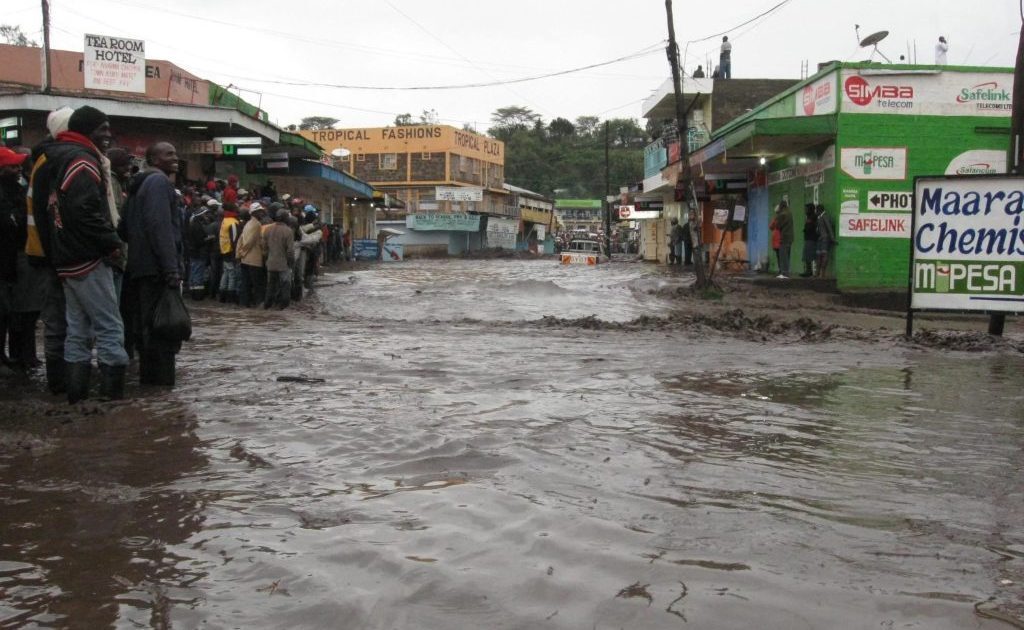
Learning activities in parts of Narok South, in Narok County continue to be disrupted following heavy rains that have triggered widespread flooding, which has left hundreds of learners and teachers unable to attend school.
A spot check across several institutions in the area revealed low attendance, with many schools recording only a handful of learners as parents kept their children at home due to safety concerns.
“We cannot take our children to school under these conditions. The roads are flooded and rivers have become dangerous to cross,” said a concerned parent in the region. “We are appealing to the government to intervene and ensure our children are safe.”
The situation is particularly dire in Olmekenyu, where severe flooding and mudslides have resulted in loss of life and displacement of families following days of intense rainfall.
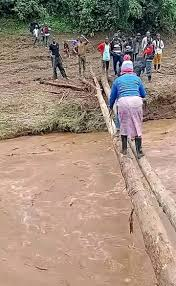
In one tragic incident, a mother and her son drowned while attempting to cross a flooded river using a makeshift pole bridge, underscoring the risks residents continue to face.
Mudslides in Osongoroi and Olmekenyu have destroyed homes, forcing families to flee and seek shelter in safer areas.
“We lost our house after a mudslide swept everything away. Right now, we have nowhere to go and need urgent assistance,” said a displaced resident from Osongoroi.
ALSO READ:
Infrastructure in the region has also suffered significant damage, with roads rendered impassable and key transport links cut off. Bridges in neighbouring Ololulunga Ward have been swept away, further isolating communities and making access to schools and essential services difficult.
The crisis extends beyond Narok South to other parts of Narok County, including Torokiat village and Endonyo Ngiro, where additional casualties and destruction have been reported.
Interior Cabinet Secretary Kipchumba Murkomen has issued a nationwide alert urging residents living in flood-prone and landslide-risk areas to move to higher ground.
“Residents in affected areas, especially around Narok, must relocate to safer grounds immediately. We must take precautionary measures to avoid further loss of life,” said Murkomen.
He further warned residents to avoid riverbanks and steep slopes, and to remain vigilant for signs of impending mudslides such as cracking ground.
Meanwhile, the Kenya Meteorological Department has projected that heavy rains will persist into the first half of May 2026 before gradually subsiding, marking the end of the March-April-May (MAM) rainy season.
“The first half of May will continue to experience heavy and disruptive rains in several parts of the country, but conditions are expected to become drier in the second half of the month,” the department said in its latest outlook.
As the situation continues to unfold, parents, local leaders and humanitarian agencies are calling for urgent intervention to support displaced families, restore damaged infrastructure and ensure that learning resumes safely.
“This is a crisis that requires immediate attention. Our children’s education and lives are at risk,” said another parent.
By Kimuati Langat
You can also follow our social media pages on Twitter: Education News KE and Facebook: Education News Newspaper for timely updates.
>>> Click here to stay up-to-date with trending regional stories
>>> Click here to read more informed opinions on the country’s education landscape