Recent remarks by the Kenya National Examinations Council (KNEC) Chief Executive Officer, Dr. David Njeng’ere, have drawn national attention to significant gaps in the implementation of Kenya’s Competency-Based Education (CBE).
While CBE was introduced to shift learning from rote memorization to the acquisition of practical skills and competencies, emerging evidence suggests that its foundation remains fragile, particularly at the lower levels of education.
One of the most alarming concerns raised is the weak state of foundational literacy and numeracy. A large proportion of learners in early grades are unable to read fluently or perform basic arithmetic at the expected level.
This indicates that many pupils are progressing through the system without mastering essential skills. Such a trend undermines the very purpose of CBE, which emphasizes mastery before progression. Addressing this gap requires a deliberate focus on early-grade learning, with structured remedial programmes, regular diagnostic assessments, and a streamlined curriculum that prioritizes reading, writing, and arithmetic.
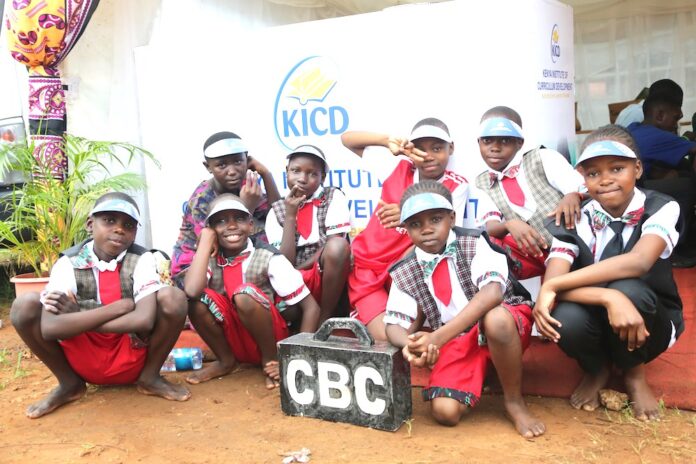
Closely related to this is the mismatch between the design of CBE and what actually happens in classrooms. Although the curriculum advocates for learner-centered approaches such as inquiry, projects, and practical activities, many teachers still rely on traditional, teacher-centered methods.
This disconnect limits the development of competencies and reduces learning to content coverage. Bridging this gap calls for strengthened instructional leadership in schools, as well as the provision of practical teaching guides and model lessons that align with CBE principles.
ALSO READ:
KNEC releases 2026 CBE assessment schedule for grades 3, 7, 8 and special needs learners
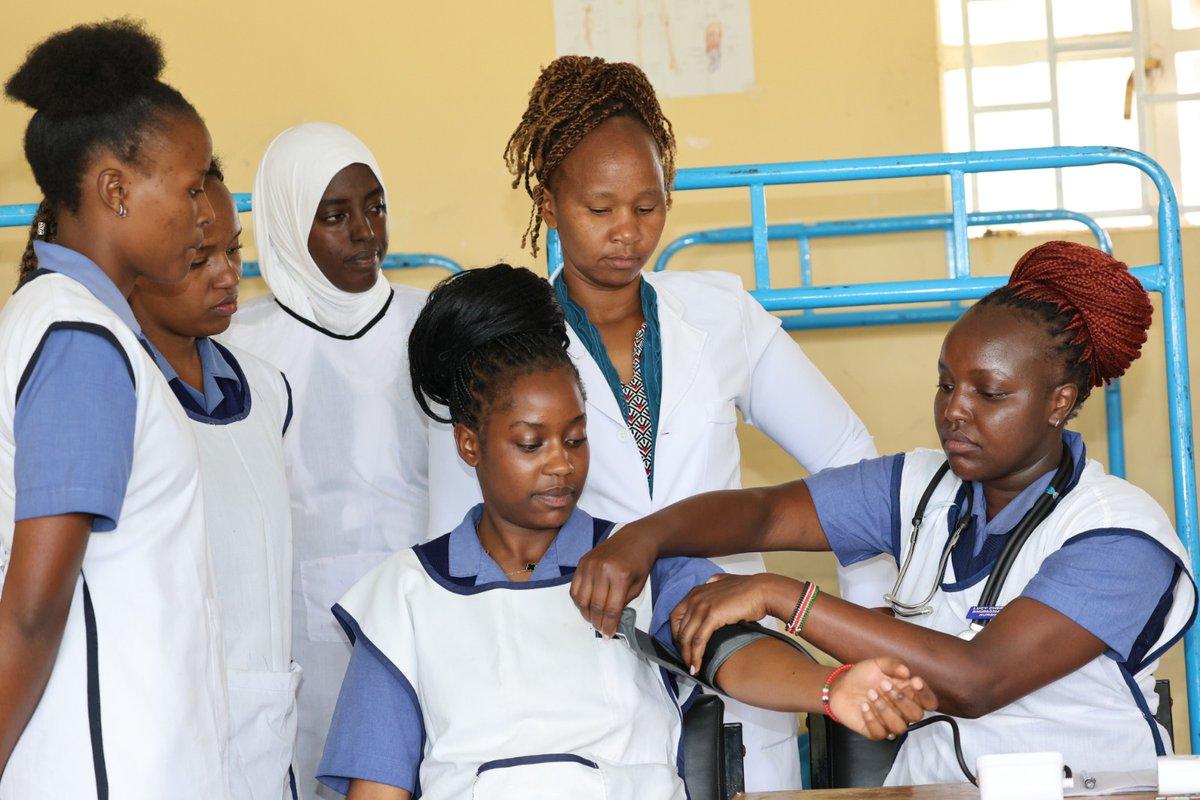
Teacher preparedness has also emerged as a critical challenge. Many educators report limited confidence in implementing competency-based assessments, which are central to CBE. Without proper understanding and skills, teachers may struggle to design appropriate tasks or evaluate learners effectively. Continuous professional development, mentorship programmes, and hands-on training in assessment methods are therefore essential to empower teachers and improve classroom practice.
Another concern is the inconsistency in school-based assessments. Variations in how assessments are conducted and interpreted across schools raise questions about reliability and fairness. In some cases, results may not accurately reflect learners’ competencies. Strengthening moderation systems, developing clear national benchmarks, and leveraging digital assessment tools can help ensure greater standardization and credibility.
Inequality in resources further compounds these challenges. Many schools, particularly in rural and marginalized areas, lack adequate teaching materials, infrastructure, and access to technology. Such disparities create uneven learning opportunities and widen the gap in educational outcomes. Addressing this issue requires increased government investment and targeted interventions to ensure that all learners, regardless of location, have access to quality resources.
High pupil–teacher ratios also hinder effective implementation of CBE. The competency-based approach demands individualized attention and continuous assessment, which become difficult in overcrowded classrooms. Recruiting more teachers, deploying them based on need, and introducing teacher aides in lower grades could ease this burden and improve learning outcomes.
ALSO READ:
KUPPET Meru official questions legality of TSC internship programme
Perhaps most fundamentally, the practice of promoting learners without ensuring mastery poses a serious threat to the integrity of the system. When students advance despite lacking core competencies, learning deficits accumulate over time, making it increasingly difficult to achieve the goals of education. Enforcing competency-based progression and introducing bridging programmes at key transition points would help maintain standards and support struggling learners.
Regional disparities in performance further highlight the uneven nature of CBE implementation. Differences in socioeconomic conditions, infrastructure, and support systems contribute to varying outcomes across the country. Data-driven interventions, coupled with social support measures such as school feeding programmes, can play a vital role in leveling the playing field.
In conclusion, the concerns raised by KNEC’s leadership do not necessarily point to a failure of the Competency-Based Education model itself, but rather to gaps in its implementation. Strengthening foundational learning, equipping teachers, standardizing assessment, and ensuring equitable resource distribution are critical steps toward realizing the full potential of CBE.
Without urgent and coordinated action, there is a real risk of producing learners who advance through the education system without acquiring the competencies needed for personal and national development.
By Hillary Muhalya
You can also follow our social media pages on Twitter: Education News KE and Facebook: Education News Newspaper for timely updates.
>>> Click here to stay up-to-date with trending regional stories
>>> Click here to read more informed opinions on the country’s education landscape