There are two sad episodes about two colleges in Kenya. Firstly, there is a disturbing video going round of a distraught student battling depression because she ignorantly joined a bogus medical college based in Thika Town. Ugh! The revelation has left her crestfallen like an old leaf shaken from a tree. Maybe, she has suddenly known in her nous, in case a student joins a medical college that is not certified by relevant authorities, and studies a course such as nursing; in future, it may be hard to be okayed to practise nursing by the Kenya Nursing Council (KNC).
Secondly, in this jungle of concrete, there is a certain institute closed indefinitely, and certificates from 2018 onwards are nullified. Why? It is said that the institute has been offering a curriculum that is not certified by the Technical and Vocational Education and Training Authority (TVETA). Ugh! So, what will happen to the ongoing students and graduates of the institute?
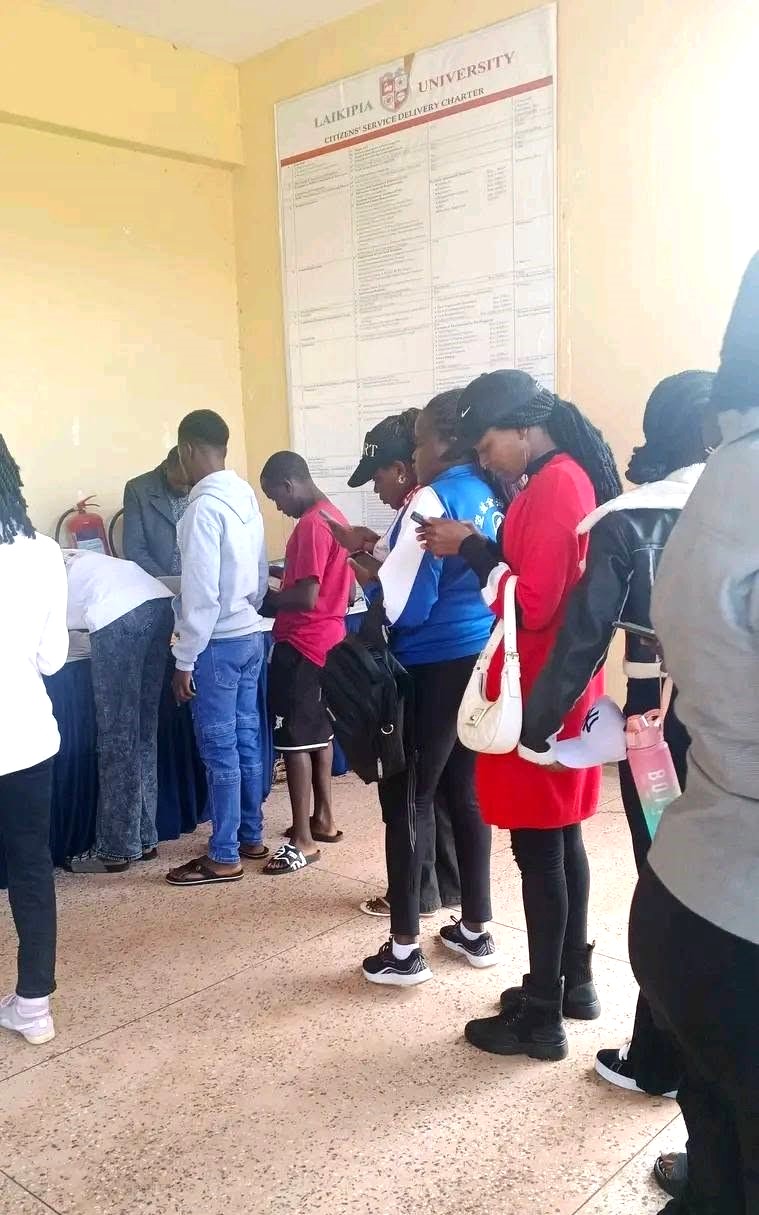
Ideally, this is an important issue to write about. More so, during this serious season, Form Four leavers are busy selecting university and college courses. Ostensibly, before a student matriculates into any university or college, it is imperative to check recognition and accreditation details. Courses offered in both public and private universities are accredited by the Commission of University Education (CUE).
Therefore, before choosing a course in any university, it is important to know whether the university is chartered. Or it is operating under a letter of interim. Likewise, courses offered in colleges are certified by TVETA. Therefore, it is wise to read and research about tertiary institutions. Or consult knowledgeable career counsellors, educators and specialists.
Withal, before joining universities, students should ascertain whether they have the requisite academic qualifications to pursue a degree, diploma, certificate (craft or artisan) course? Likewise, they should ascertain whether the tertiary institutions are recognised and accredited by professional bodies. For students, do not join tertiary institutions just in jest: to waste resources and dissipate time. In lieu, they join to learn and increase chances and opportunities in life in relation to job search or creation.
So, further studies should foster hope and help. Not doom and gloom. Meaning, when students toy with academic and professional qualifications, they may suffer in future. So, it is important to think about joy in jobs and enjoyment in employment. In Exploring Career Options A -Z: An Essential Guide for Students on Career Planning and Choice, Martin Kinoti outlines two key types of qualifications students need to secure future employment – academic and professional qualifications.
Academic Qualifications: the Foundation of Education
Academic qualifications indicate that a student has achieved some modicum of education. While learning, students acquire certain basic learning competencies (BLCs) abutting on literacy, numeracy and life skills education. Wielding academic qualifications means that a student has successfully completed a particular course of study marked by the issuance of a certificate. In The Career Decoder, Samuel Kanja notes that in Kenya, students aspiring to pursue university degrees must attain at least a C+ (plus) of 46 points in the KCSE) or a 3.4 GPA in IGCSE.
After high school, students matriculate into universities or colleges to receive academic qualifications upon graduation, with the lowest being a certificate course, followed by a diploma. Universities in Kenya offer both diploma and degree programmes, with a bachelor’s degree being the first significant qualification awarded after completing undergraduate studies. Upon earning a bachelor’s degree, some students further their studies by enrolling for post-graduate programmes – master’s degree and later Doctor of Philosophy (PhD/DPhil).
Professional qualifications: Gaining Industry-relevant Skillset
While academic qualifications set a firm foundation for education, professional qualifications focus on certifying a person’s competence, skills and knowledge in a specific area. Professional qualifications focus on certifications that demonstrate competence, knowledge and skills specific to a profession. These qualifications are typically issued by professional associations, regulatory bodies or government authorities, enhancing successful job-search and employability after school. Professional organisations issue licenses to practitioners as they monitor character.
Most professional qualifications require periodic renewal or recertification to ensure that professionals remain committed to continuous personal and professional development. Some well-known professional organisations in Kenya include: the Architectural Association of Kenya (AAK); regulating architects. The Engineering Board of Kenya (EBK) regulates engineers. The Media Council of Kenya (MCK) regulates journalists.
Complementing academic qualifications with professional qualifications
Finally, it is crucial for students to complement their academic qualifications with relevant professional qualifications. This comely combination gives job-seekers a competitive edge in the world of work. For example, a student pursuing a degree in accounting should consider acquiring professional certifications such as the Certified Public Accountant (CPA-K) designation from the Kenya Accountants and Secretaries National Examinations Board (KASNEB).
READ ALSO: Why every CBE teacher must master key inquiry questions
Similarly, a student studying Computer Science may benefit from certifications in areas like Web Design or Programme Specialisation. A student pursuing law should enroll for a degree in law in any of the law schools. Afterwards, enrol for a post-graduate diploma in law at the Kenya Law School (KLS). Dodging that right route means the student will find it hard to practise law, become an advocate or start a law firm.
By Victor Ochieng’
Victor Ochieng’ is career educator. He guides students on how to make informed career choices. vochieng.90@gmail.com. 0704420232
You can also follow our social media pages on Twitter: Education News KE and Facebook: Education News Newspaper for timely updates.
>>> Click here to stay up-to-date with trending regional stories
>>> Click here to read more informed opinions on the country’s education landscape
>>> Click here to stay ahead with the latest national news.