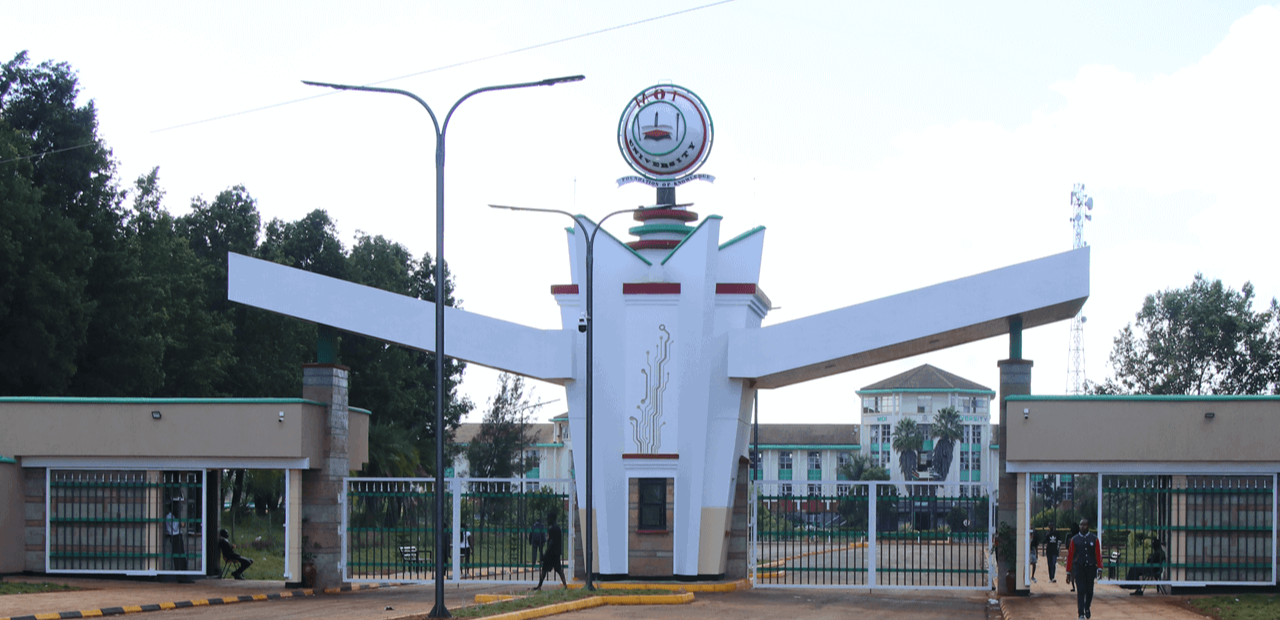
Moi University has introduced a new examination seating policy aimed at curbing cheating and strengthening supervision across all its schools.
In an internal memo, Prof. Khaemba Ongeti, the acting deputy vice chancellor for academics, research, extension and student affairs, directed that random seating arrangements in examination rooms will no longer be allowed.
The memo, addressed to all deans of schools, outlines structured measures intended to promote integrity and order during examinations.
Under the new directive, students will now be seated strictly according to their registration numbers, which will serve as index numbers in the examination rooms.
To facilitate the process, the university has ordered the preparation of 4″ × 3″ manila cards to designate seating positions.
The cards will be placed on each candidate’s desk before the start of every examination to enable students to easily identify their assigned seats.
The memo further instructs invigilators to enforce the seating arrangement consistently across all examination venues.
Clear organization and display of seating plans are expected to minimize confusion and ensure a smooth start to each examination session.
ALSO READ;
After the conclusion of each exam, the manila cards will be collected and kept at the respective dean’s office for record-keeping and accountability purposes.
The university management says the measure is intended to enhance order, improve invigilation efficiency and significantly reduce cases of examination malpractice.
The directive has also been copied to the vice chancellor to ensure institution-wide implementation.
Students, academic staff and examination supervisors are expected to fully comply with the new arrangements as the university prepares for the upcoming examination period.
By Andrian Biwott
You can also follow our social media pages on Twitter: Education News KE and Facebook: Education News Newspaper for timely updates.
>>> Click here to stay up-to-date with trending regional stories
>>> Click here to read more informed opinions on the country’s education landscape