School heads in Kwale County have been urged to adopt innovative approaches in delivering Information and Communication Technology (ICT) lessons.
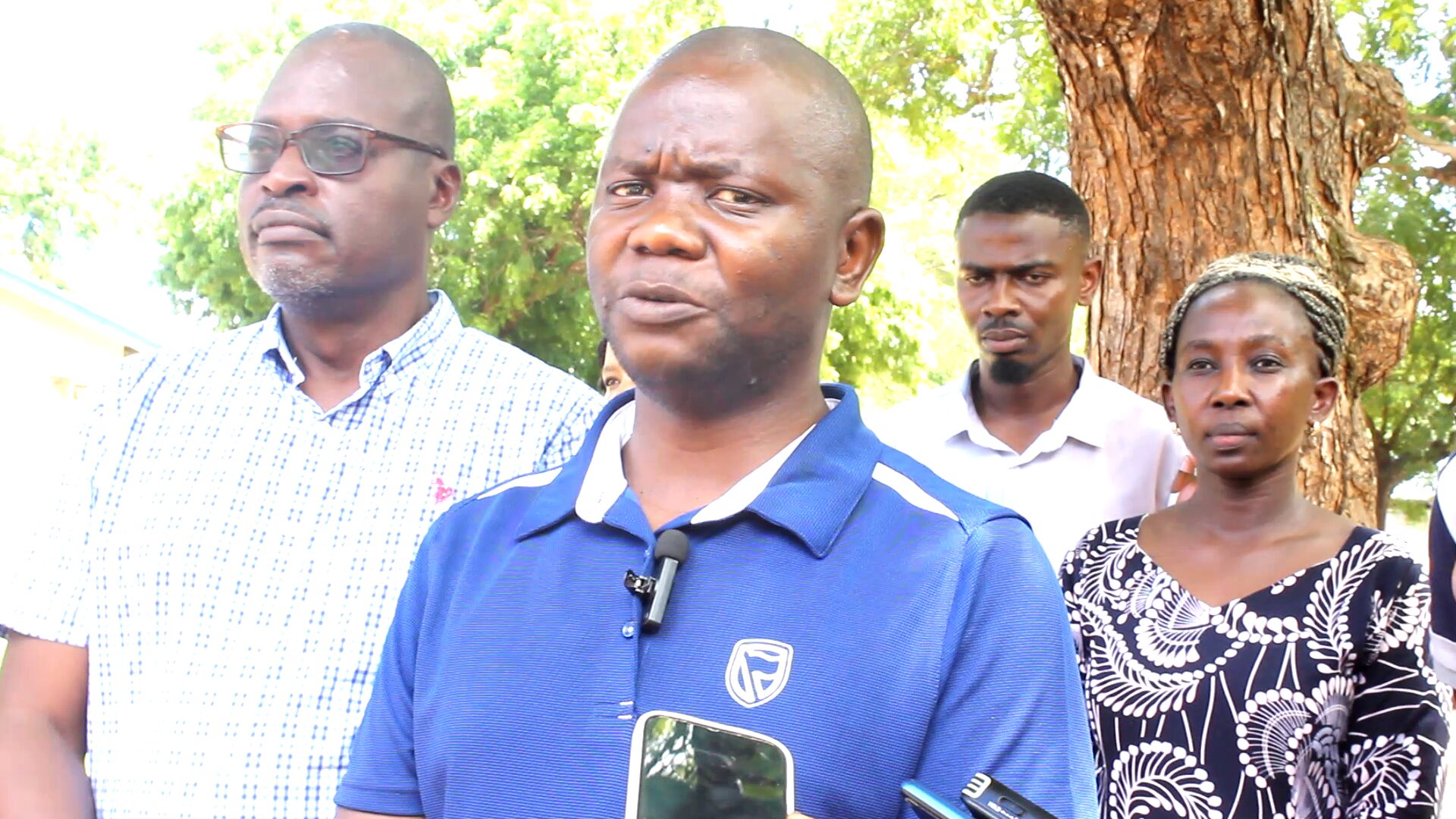
Speaking during the launch of the CEMASTEA training for 60 senior school heads at Matuga Girls C1 senior school in Kwale County, CEMASTEA Officer Derrick Govedi emphasised that ICT can be taught effectively using smartphones, challenging the notion that costly computer laboratories are necessary.
“Computer doesn’t only mean desktop machines; smartphones can do just fine,” he said.
Govedi challenged teachers to stop citing inadequate infrastructure as an obstacle, urging them instead to maximise the technology already available to them.
He noted that smartphones are more flexible, more affordable, and easier to use, making them a practical tool for enhancing ICT learning without the sophisticated resources required by desktop computers.
Govedi added that schools already have sufficient infrastructure to support ICT learning if the available resources are properly utilised.
He said that the training is also geared towards strengthening teachers’ understanding of learning assessment and helping them leverage technology more effectively when delivering ICT lessons.
Govedi added that the government is keen on strengthening the education sector as CEMASTEA works to equip teachers with advanced skills.
“The teachers we have today are facing numerous challenges, and that is why the government is giving them the necessary support to enhance their teaching abilities,” he said.
Govedi said the training aims to deepen teachers’ understanding of subject-specific content and pedagogy so they can effectively meet learning objectives and deliver quality education aligned with national goals.
He said the training is also geared towards strengthening teachers’ understanding of learning assessment and helping them leverage technology more effectively when teaching ICT.
County Education Quality Assurance and Standards and CEMASTEA programme coordinator Hellen Arunga noted that this is the second phase of the training, the first having been conducted in December.
Arunga said positive changes are already visible, with teachers now delivering the new curriculum more efficiently after undergoing the training.
She expressed hope that the second batch of senior school Heads of Department will cascade the skills to junior teachers to enhance effective curriculum delivery across schools.
Arunga said the training is crucial because teachers are still exploring the approaches needed to fully adopt and sustain learner-centred teaching.
She noted a shortage of technical teachers, but the Ministry of Education has assured them that more personnel will be deployed over time.
However, Arunga pointed out that inadequate textbooks remain a major challenge, adding that she is hopeful the issue will be resolved by the Kenya Institute of Curriculum Development (KICD) before schools reopen in May.
Kenya Secondary School Heads Association (KESSHA) Kwale County chair, Siasa Mwafujo, acknowledged that although the new curriculum is well-intentioned, it has presented several challenges, adding that the ongoing training will help address key hurdles in delivering quality education.
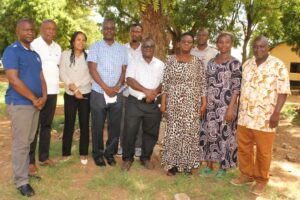
“As principals, we truly appreciate this programme because it will go a long way in resolving many of the challenges brought by CBE,” he said.
READ ALSO: Kisumu Boys’ partners with polytechnic and M-pesa Foundation to boost technical training and ICT capacity
Mwafujo urged the Ministry of Education to urgently address the teacher shortage to ensure effective curriculum delivery across schools in Kwale County.
He further emphasised the need to increase the number of teachers participating in the CEMASTEA training, arguing that Kwale is a vast county and the skills gained would significantly benefit educators across the region.
By Shaban Omar
You can also follow our social media pages on Twitter: Education News KE and Facebook: Education News Newspaper for timely updates.
>>> Click here to stay up-to-date with trending regional stories
>>> Click here to read more informed opinions on the country’s education landscape
>>> Click here to stay ahead with the latest national news.