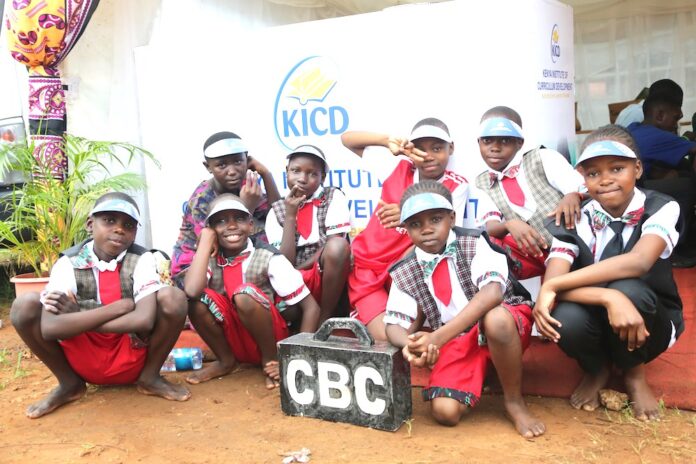
As Kenya continues to implement the Competency-Based Education (CBE) curriculum, one of its greatest strengths is becoming increasingly clear-the power of choice.
Unlike traditional systems that confined learners to rigid academic paths, CBE opens up diverse and flexible opportunities designed to nurture individual talents and interests.
Within the Social Sciences pathway, the Languages and Literature Track (Code: SS10) stands out as a powerful avenue for learners passionate about communication, culture, and expression. It is not merely about studying languages; it is about shaping globally competent, culturally aware, and ethically grounded citizens.
CBE envisions producing engaged, empowered, and ethical citizens. The language track directly supports this vision by equipping learners with the ability to communicate effectively, think critically, and appreciate diversity-skills that are essential in today’s interconnected world.
One of the most unique features of this track is the wide variety of subject combinations available. Learners are not boxed into a single direction; instead, they are presented with multiple options that allow them to align their education with their interests and future aspirations.
From combinations such as Arabic, Computer Studies, and French (SS1006) to Core Mathematics, French, Mandarin Chinese (SS1084), or Fasihi ya Kiswahili, Indigenous Language, Literature in English (SS1002), the possibilities are extensive and inclusive.
Notably, the track also allows learners to study foreign languages such as French, German, and Mandarin Chinese, opening doors to global opportunities. At the same time, it strongly promotes local identity through subjects like Indigenous Languages and Fasihi ya Kiswahili, ensuring that learners remain rooted in their cultural heritage.
ALSO READ:
In addition, the inclusion of Kenya Sign Language across many combinations reflects CBE’s commitment to inclusivity and equity. It prepares learners not only for careers but also for social responsibility-advocating for the deaf community, promoting accessibility, and supporting diversity in communication.
Under this track, learners are required to select at least three subjects from the available combinations. This flexibility ensures that each learner’s pathway is personalized, allowing them to build competencies that align with their strengths and career ambitions.
The career opportunities emerging from the Languages and Literature Track are equally diverse. Learners can pursue professions such as writers, journalists, editors, teachers, translators, diplomats, and public relations specialists.
Others may venture into specialized fields like sign language interpretation, cultural consultancy, publishing, or international relations. Careers such as cultural heritage officers, disability rights advocates, and foreign service officers highlight the broader societal impact this track offers.
This is where the essence of CBE truly comes alive through the three Ds of talent development: Discover, Develop, and Deploy.
First, the wide range of subject combinations enables learners to discover their unique abilities and interests. Whether a learner is inclined towards languages, communication, culture, or technology integration, there is a
suitable pathway.
ALSO READ:
Varsities stare at strain period as new funding model shifts financial pressure to campuses
Second, through continuous assessment and competency-based approaches, learners are able to develop their skills. Emphasis is placed not just on knowledge acquisition but on mastery, creativity, collaboration, and problem-solving.
Finally, the track prepares learners to deploy their talents in real-world contexts. Whether it is through communication in global platforms, advocating for inclusivity, preserving cultural heritage, or contributing to media and diplomacy, learners are equipped to make meaningful contributions to society.
The Languages and Literature Track also strongly aligns with the core competencies of CBE. Communication and collaboration are enhanced through multilingual learning. Critical thinking and problem-solving are nurtured through literature and analysis.
Creativity and imagination are expressed through writing and storytelling. Citizenship is developed through cultural awareness and ethical engagement, while digital literacy is supported through integration with subjects like Computer Studies.
Ultimately, this track is more than an academic pathway-it is a platform for shaping voices that will inform, inspire, and influence society.
As education continues to evolve, it is clear that the future belongs to systems that recognize and nurture individual potential. The Languages and Literature Track under CBE is a shining example of this shift-where learning is not just about passing exams, but about preparing learners to thrive, lead, and serve.
In embracing this model, Kenya is not just educating learners; it is cultivating a generation of thinkers, communicators, and change-makers ready to engage the world with confidence, competence, and integrity.
By Polycap Ateto
You can also follow our social media pages on Twitter: Education News KE and Facebook: Education News Newspaper for timely updates.
>>> Click here to stay up-to-date with trending regional stories
>>> Click here to read more informed opinions on the country’s education landscape