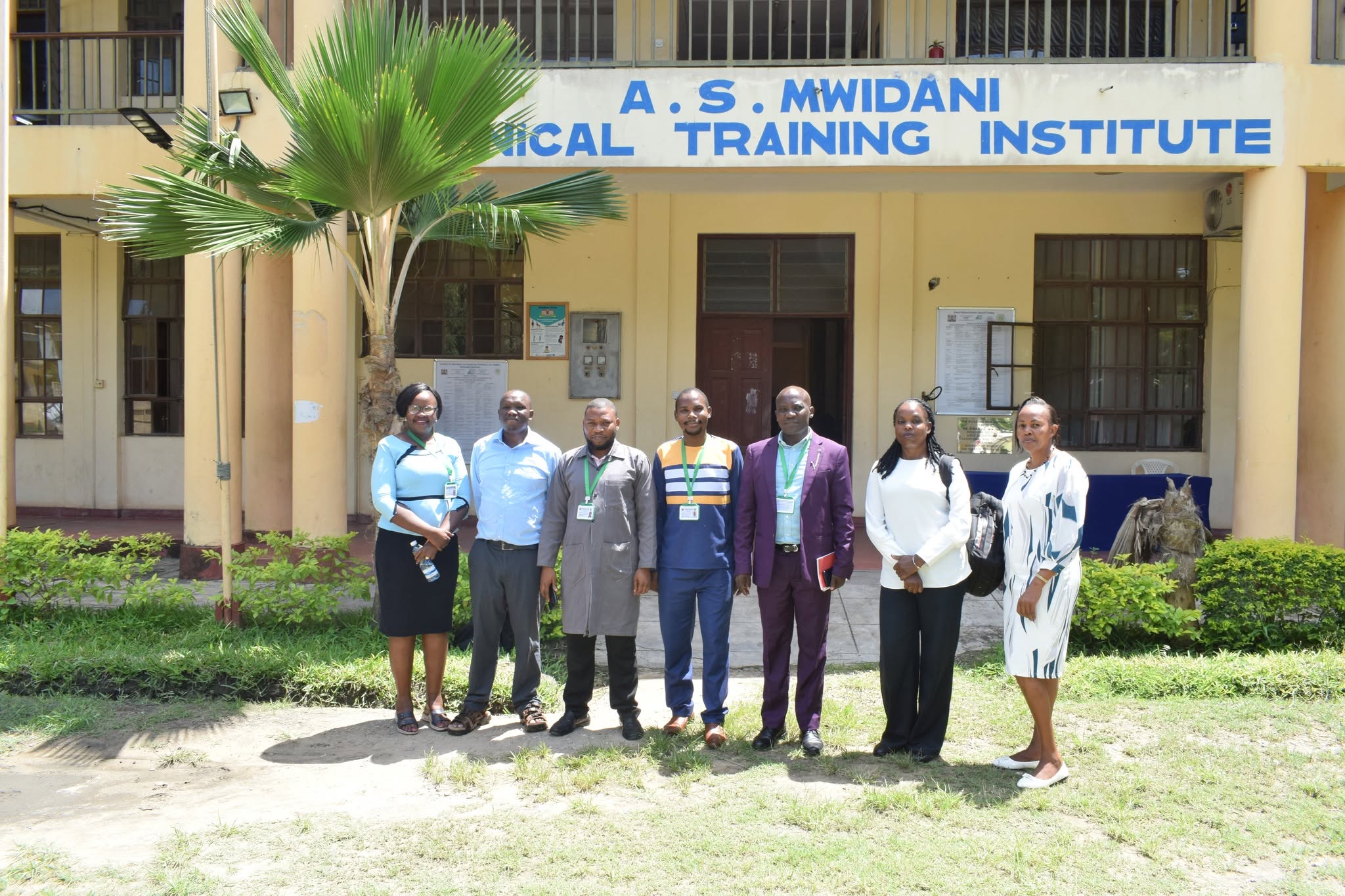
Kisumu County Governor Professor Peter Anyang’ Nyong’o has underscored the county’s strides in technical and vocational training, positioning the sector as a cornerstone for tackling youth unemployment and driving grassroots economic transformation.
Speaking during the third joint Vocational Training Centres (VTC) graduation ceremony, Nyong’o said his administration has deliberately prioritized skills development as a pillar of development.
“Today marks not just the completion of training, but the emergence of a cadre of skilled, empowered and self‑reliant citizens. The true wealth of a society lies in the knowledge, skills and innovative capacity of its people,” he told the gathering.
A total of 3,165 trainees; 1,557 men and 1,608 women, graduated after completing training in 11 disciplines aligned to labour market demands. Their qualifications were certified by national bodies including the National Industrial Training Authority (NITA), the Kenya National Examinations Council (KNEC), and the TVET Curriculum Development, Assessment and Certification Council (CDACC), giving them recognition both locally and internationally.
Nyong’o said the milestone reflects Kisumu’s commitment to empowering youth with practical, marketable skills while expanding access to vocational training across all wards. “When you entrusted me with the mandate to serve, I made a firm commitment to equip our youth with skills, expand access to training and promote entrepreneurship as a pathway to job creation. What we witness today is clear evidence that we are delivering on that promise,” he said.
ALSO READ:
Kisumu County VTC centres hold 3rd joint graduation ceremony
The governor highlighted increased budgetary allocation to the sector, noting that in the current 2025/2026 financial year, the county has set aside Sh125.5 million for capitation to support trainees and Sh25 million for modern training equipment. He added that 25 instructors were recruited last year, with another 25 set to be hired this year to address staffing gaps. “These are not mere expenditures; they are strategic investments in human capital, which remains the most critical asset of any progressive society,” Nyong’o said.
He emphasized that Kisumu is aligning its training programmes with global trends to ensure graduates remain competitive. This includes competency‑based education and training, recognition of prior learning, digital and innovation skills such as ICT and automation, as well as green and climate‑smart technologies. The county is also strengthening industry linkages and embracing modern training models to respond to a dynamic global economy.
Nyong’o said the long‑term vision is to build a competitive, inclusive and future‑ready TVET system aligned with industry needs and technological change. “The world will not reward your certificate alone. It will demand your skill, discipline, creativity and resilience,” he told the graduands, stressing that development will be driven not just in boardrooms but in workshops, garages, studios, farms, and enterprises led by trained young people.
County Executive Committee Member for Education (CECM), Joh Awiti, noted that enrolment in vocational training centres has grown sharply, signalling rising confidence in technical education. He said the number of trainees has increased to 6,545, with projections of 7,500 by May and more than 8,000 by next year. “This is not just growth in numbers, it is growth in opportunity, dignity and hope,” Awiti said.
ALSO READ:
From petition to charter: How Alupe University became a Science hub in Western Kenya
He added that the county is targeting an estimated 9,000 youths who miss out on university and college placements annually, positioning VTCs as an alternative pathway to employment and entrepreneurship. Since 2018, Kisumu has disbursed over Sh319 million in grants to support trainees, expanded infrastructure, and increased the number of training centres from 21 to 28, with more under construction.
Awiti said investments in workshops, hostels, equipment, and trainers are aimed at ensuring graduates acquire relevant, market‑ready skills aligned to industry demands. He emphasized that the county’s focus is not only on access but also on quality, ensuring that vocational training remains a credible and competitive option for young people.
By Fredrick Odiero
You can also follow our social media pages on Twitter: Education News KE and Facebook: Education News Newspaper for timely updates.
>>> Click here to stay up-to-date with trending regional stories
>>> Click here to read more informed opinions on the country’s education landscape