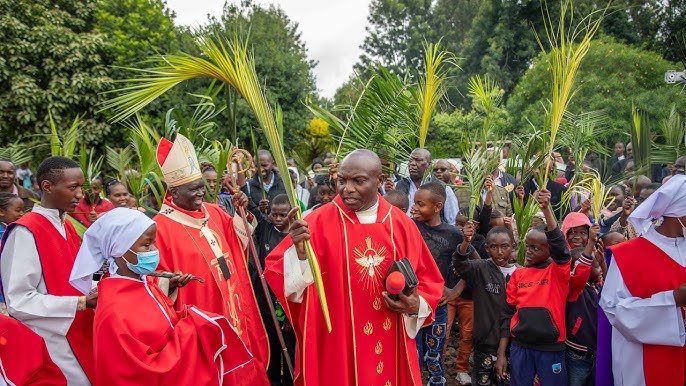
Palm Sunday stands as one of the most profound and symbolically rich observances in the Christian calendar, marking the beginning of Holy Week and setting the stage for the events that culminate in Easter. For Christian faithful across the world, this day is not merely a ritual remembrance but a deeply spiritual moment that connects them to the final days of Jesus Christ and the unfolding of divine purpose in human history.
The origin of Palm Sunday is rooted in the biblical narrative of the Triumphal Entry of Jesus into Jerusalem. According to the Gospels—particularly Matthew, Mark, Luke, and John—Jesus entered the city riding on a donkey, a deliberate act loaded with symbolic meaning. In the ancient Near East, kings and leaders often rode horses when going to war, but a donkey signified peace. By choosing this humble animal, Jesus presented himself not as a conquering political figure, but as a peaceful king whose mission transcended earthly power.
As Jesus made his way into Jerusalem, crowds gathered, laying down their cloaks and waving palm branches along the road. These palm branches were not randomly chosen; they were widely recognized symbols of victory, triumph, and honor. The people shouted “Hosanna,” a term that originally meant “save us now,” expressing both praise and a desperate longing for deliverance. In that moment, many believed they were welcoming a messianic king who would liberate them from Roman rule. However, the deeper significance of the event would only become clear in the days that followed.
ALSO READ:
Palm Sunday, therefore, commemorates this dramatic and hopeful entry. It is a day filled with paradox. On one hand, it is celebratory—marked by processions, singing, and the waving of palm branches in churches worldwide. On the other hand, it carries an undercurrent of solemnity, as it foreshadows the suffering and crucifixion that Jesus would soon endure. This duality is central to its meaning: triumph intertwined with impending sacrifice.
For Christian faithful, Palm Sunday is significant in several profound ways. First, it serves as a reminder of humility. Jesus, revered as the Son of God, chose a path of simplicity and meekness. In a world often obsessed with power, status, and dominance, this image challenges believers to embrace humility in their own lives. It calls them to reconsider what true greatness looks like—not in terms of authority or wealth, but in service, compassion, and obedience to God.
Secondly, Palm Sunday invites reflection on the nature of faith and human expectation. The same crowd that welcomed Jesus with enthusiasm would, within days, turn against him, shouting for his crucifixion. This dramatic shift exposes the fragility of human loyalty and the danger of superficial faith. Many had misunderstood Jesus’ mission, expecting immediate political liberation rather than spiritual salvation. For modern believers, this serves as a cautionary lesson: faith must be grounded in deeper understanding, not merely in personal expectations or fleeting emotions.
Another key significance of Palm Sunday lies in its role as the gateway to Holy Week, the most sacred period in Christianity. It prepares believers to journey through the intense spiritual landscape of the Passion—leading from the Last Supper on Maundy Thursday, through the agony of Good Friday, and finally to the joy of the Resurrection on Easter Sunday. Without Palm Sunday, this journey would lack its narrative beginning, its moment of public declaration and recognition.
Liturgically, many churches mark Palm Sunday with unique traditions. Congregants often receive palm branches, which they may keep as sacred reminders or later burn to create ashes for the following year’s Ash Wednesday. In some denominations, dramatic readings of the Passion narrative are included, allowing worshippers to immerse themselves fully in the story. These practices are not mere formalities; they are embodied expressions of faith that connect the present-day believer with centuries of Christian tradition.
ALSO READ:
Outrage as Kangundo teacher served with showcause letter while battling life‑threatening illness
In the African context, including here in Kenya, Palm Sunday has taken on vibrant cultural expressions. Churches are often filled with song, dance, and processions that reflect local traditions while maintaining the universal message of the day. The palm branches themselves, readily available in many regions, become powerful visual symbols of unity among believers, cutting across denominational and social lines.
Ultimately, Palm Sunday is a call to introspection. It asks each believer a difficult but necessary question: how do you receive Christ in your life? Is it with genuine commitment, or with conditional enthusiasm that fades when expectations are not met? It challenges individuals to move beyond the crowd mentality and develop a personal, enduring faith.
As the faithful mark this day, they are invited not only to celebrate but also to prepare – to walk consciously into the solemn realities of sacrifice, redemption and hope. Palm Sunday is not an isolated event; it is the opening chapter of the most powerful story in Christianity, a story that continues to shape lives, inspire faith and offer the promise of salvation.
By Ashford Kimani
Ashford teaches English and Literature in Gatundu North Sub-county and serves as Dean of Studies.
You can also follow our social media pages on Twitter: Education News KE and Facebook: Education News Newspaper for timely updates.
>>> Click here to stay up-to-date with trending regional stories
>>> Click here to read more informed opinions on the country’s education landscape