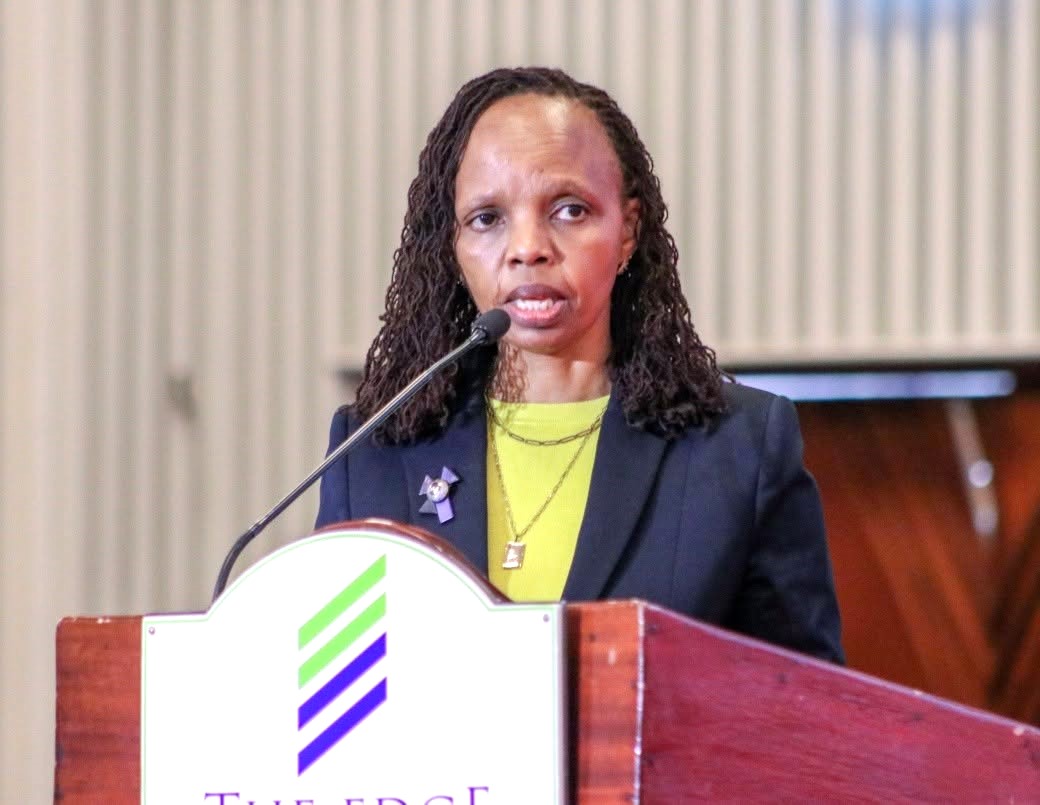
The Teachers Service Commission (TSC) has launched a sweeping review of its Career Progression Guidelines (CPGs), a move that could redefine how teachers and curriculum support officers (CSOs) advance in their careers.
The exercise comes after years of mounting frustration among teachers who have endured prolonged stagnation despite upgrading their qualifications and gaining experience.
The current guidelines, developed in 2016 and rolled out in 2018 after consultations with the Salaries and Remuneration Commission, were intended to standardize promotions, define job roles, and align teacher development with reforms in the education sector.
Nearly a decade later, however, the commission concedes that the framework has become outdated and no longer reflects the realities of modern teaching.
The shift to Competency-Based Education (CBE), which emphasizes skills, creativity, and learner-centred approaches, has exposed gaps in the system, leaving teachers without clear pathways for growth.
RELATED:
TSC launches review of career progression guidelines amid teacher stagnation concerns
Teachers and unions alike, have long criticized the guidelines for locking teachers into the same job groups for years, sometimes decades, even after earning higher academic credentials such as bachelor’s and master’s degrees.
Many argue that the reliance on competitive interviews for promotions beyond Job Group C3 has created bottlenecks, with experienced teachers missing out despite strong performance records.
Concerns have also been raised about bias, with teachers in national and extra-county schools perceived to have an advantage due to stronger academic results, leaving those in rural or under-resourced institutions at a disadvantage.
The TSC has acknowledged these shortcomings and initiated a consultative retreat at the Kenya School of Government in Embu, bringing together education experts, senior teachers, and stakeholders to chart a new course.
The week-long forum, which began on March 9 and concluded on March 15, proposed a revised framework that is fairer, competency-based, and aligned with current reforms.
Acting TSC CEO Eveleen Mitei emphasized the importance of stakeholder input, noting that the success of the new system will depend on incorporating diverse perspectives and technical expertise.
Under the proposed changes, promotions are expected to shift from interview-heavy processes to competency-based evaluations that recognize teaching skills, classroom effectiveness, professional development, and contributions to learner outcomes.
The commission has also pledged to eliminate bias by ensuring that promotions are transparent and inclusive of all teachers, regardless of school category. Clearer job descriptions and better alignment with the Competency-Based Curriculum are also part of the plan.
Curriculum Support Officers, who play a vital role in guiding teachers and ensuring effective curriculum implementation, are expected to benefit from the reforms, as the new framework will provide them with clearer promotion pathways, competency-based evaluation systems, and stronger alignment with curriculum reforms.
The review has sparked optimism among teachers nationwide, many of whom see the move as long overdue. Teachers hope the reforms will unlock long-delayed promotions, recognize academic achievements, and provide equal opportunities across the profession. At the same time, there is caution, with unions and stakeholders calling for transparency, accountability, and clear timelines to ensure that the reforms do not stall.
The Career Progression Guidelines replaced the earlier Schemes of Service as part of broader reforms aimed at modernizing the teaching profession. While the initial rollout promised standardized grading and performance-based progression, challenges in implementation quickly became evident.
ALSO READ:
The current review is seen as a critical moment for Kenya’s education sector, driven by the need to align with the Competency-Based Curriculum, embrace digital transformation in classrooms, and meet global education standards.
If implemented effectively, the revised guidelines could transform teacher career progression, improve morale, and enhance the quality of education by retaining experienced educators in the system. However, the commission will need to overcome challenges such as resource constraints, resistance to change, and the complexities of policy rollout. Education experts stress that the success of the reforms will depend on inclusivity and transparency, with stakeholder feedback forming the backbone of the new framework.
By Masaki Enock
You can also follow our social media pages on Twitter: Education News KE and Facebook: Education News Newspaper for timely updates.
>>> Click here to stay up-to-date with trending regional stories
>>> Click here to read more informed opinions on the country’s education landscape