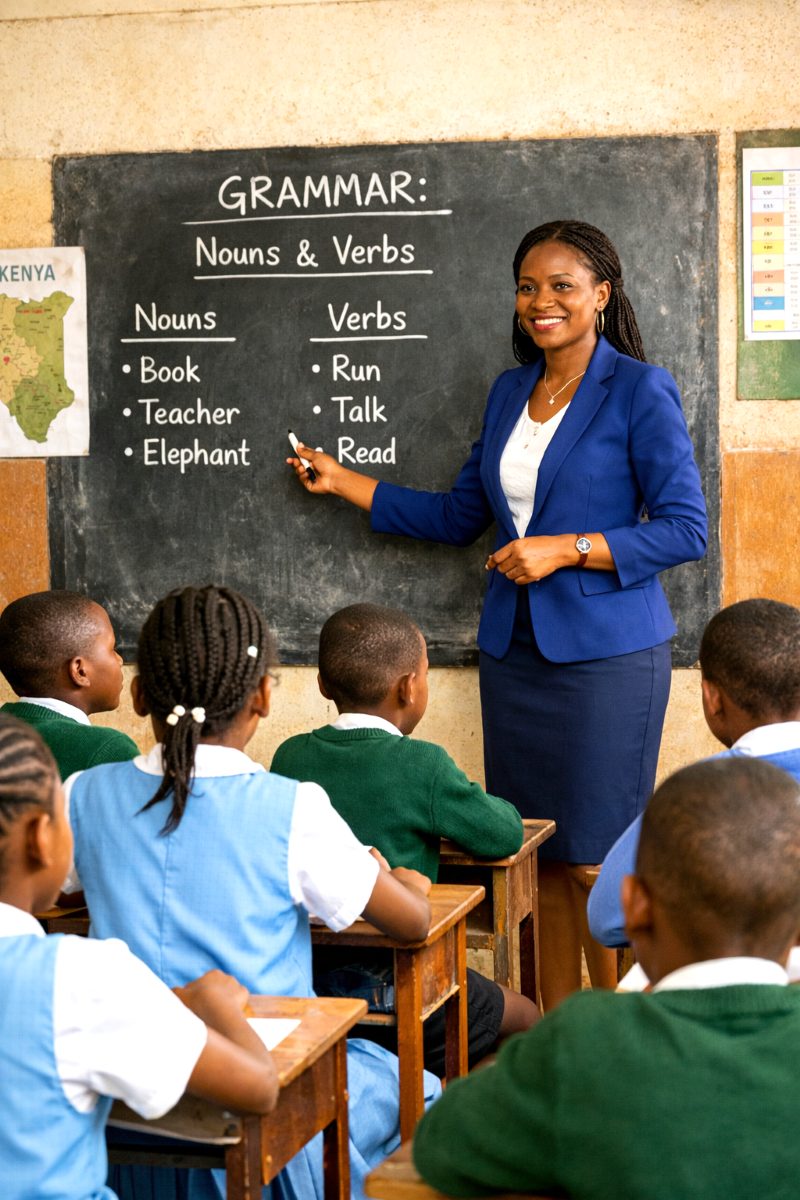
In teaching, what you know matters, but how you communicate what you know matters even more. A teacher may have deep subject mastery, but if their delivery is unclear, hesitant or disorganized, learning suffers.
Students disengage, misunderstand concepts, or lose confidence in the instruction. The fastest way to increase your value as a teacher is to communicate with clarity, confidence and authority.
Clarity is the foundation of effective communication. It is the ability to express ideas in a way that is easily understood by learners at their level. Clear communication eliminates ambiguity. It ensures that instructions are precise, explanations are logical, and expectations are well defined. A clear teacher does not leave students guessing what to do or what is required of them.
Achieving clarity begins with preparation. A teacher must think through the lesson in advance, identifying key points and organizing them in a logical sequence. When ideas are well structured in the teacher’s mind, they are easier to express. Rambling explanations, unnecessary digressions and poorly connected ideas often signal a lack of preparation rather than a lack of intelligence.
Language choice is equally important. High-value teachers use simple, direct language when introducing concepts. They avoid overloading students with complex terminology before the basic idea is understood. Once clarity is established, they gradually introduce subject-specific terms, ensuring that students can use them correctly. This progression builds both understanding and academic vocabulary.
Confidence is the second critical element. Students respond strongly to a teacher’s presence. A confident teacher commands attention, maintains control of the classroom, and creates a sense of trust. Confidence is reflected in voice, posture and delivery. It is not about arrogance but about assurance. When a teacher speaks with certainty, students are more likely to believe in the content and engage with it.
ALSO READ:
KUCCPS to introduce new university placement criteria starting 2026/27 cycle
Confidence is built through mastery and practice. A teacher who knows their subject well and has rehearsed their explanations is naturally more confident. Repetition also plays a role. The more a teacher delivers a lesson, refines it, and observes its impact, the more assured they become. Over time, this confidence becomes part of their professional identity.
Authority complements clarity and confidence. It is the perception that the teacher is credible, knowledgeable and in control. Authority is not imposed through fear or harshness but earned through competence and consistency. A teacher who communicates clearly and confidently naturally develops authority because students recognize their effectiveness.
Authority is also reinforced through consistency in expectations. When a teacher sets clear standards for behavior and academic work and applies them consistently, students understand the boundaries. Mixed signals, where rules are enforced inconsistently, weaken authority. High-value teachers are predictable in their expectations, which creates a stable learning environment.
Non-verbal communication plays a significant role in all three areas. Eye contact, facial expressions, gestures, and movement in the classroom all contribute to how a message is received. A teacher who maintains eye contact and uses purposeful gestures reinforces their message. Conversely, poor non-verbal communication can undermine even the clearest explanation.
Listening is another often overlooked aspect of communication. Effective teachers do not just speak; they listen actively to their students. They pay attention to responses, questions, and even silence. Listening provides feedback on whether communication has been successful. It allows the teacher to adjust explanations, address misconceptions, and engage students more effectively.
Questioning techniques further enhance communication. Asking clear, purposeful questions stimulates thinking and checks understanding. High-value teachers avoid vague questions and instead use specific prompts that guide students toward the desired response. They also encourage multiple answers, creating a dynamic and interactive classroom environment.
In the Kenyan classroom context, where diversity in student ability and background is common, clarity becomes even more critical. A teacher who communicates effectively can bridge gaps in prior knowledge and ensure that all learners are carried along. This directly impacts performance, particularly in national examinations where misunderstanding of instructions can cost valuable marks.
ALSO READ:
Moreover, strong communication enhances a teacher’s professional image. Students respect teachers who are clear and confident. Parents trust teachers who can articulate student progress and expectations effectively. School leaders rely on teachers who can represent the institution well in academic matters. Communication, therefore, extends beyond the classroom into all areas of professional interaction.
Improving communication is a continuous process. Teachers must reflect on their delivery, seek feedback, and be willing to adjust. Recording lessons, observing colleagues and participating in professional development can provide valuable insights. Small adjustments—such as simplifying instructions or improving voice projection—can have a significant impact.
Ultimately, teaching is a communication-driven profession. Every lesson, instruction and interaction depends on how effectively ideas are conveyed. A teacher who communicates with clarity, confidence and authority creates an environment where learning is efficient, engagement is high, and outcomes are strong. This level of effectiveness significantly increases professional value and sets the teacher apart.
By Ashford Kimani
Ashford teaches English and Literature in Gatundu North Sub-county and serves as Dean of Studies.
You can also follow our social media pages on Twitter: Education News KE and Facebook: Education News Newspaper for timely updates.
>>> Click here to stay up-to-date with trending regional stories
>>> Click here to read more informed opinions on the country’s education landscape