For decades, Kenya’s civil servants have worked tirelessly, delivering education, security, and administrative services across the nation. Yet despite their dedication, many have struggled to advance their careers. Ambition is abundant, competence is present, but opportunity—structured, timely, and actionable opportunity—has often been in short supply.
Most workers lacked a mentor or system to guide them in improving their status. Without a structured support system, even the most talented civil servants could remain trapped in low-level positions, their skills underutilized, their potential untapped. That reality is now beginning to change, and the impact could reshape Kenya’s public service landscape in profound ways.
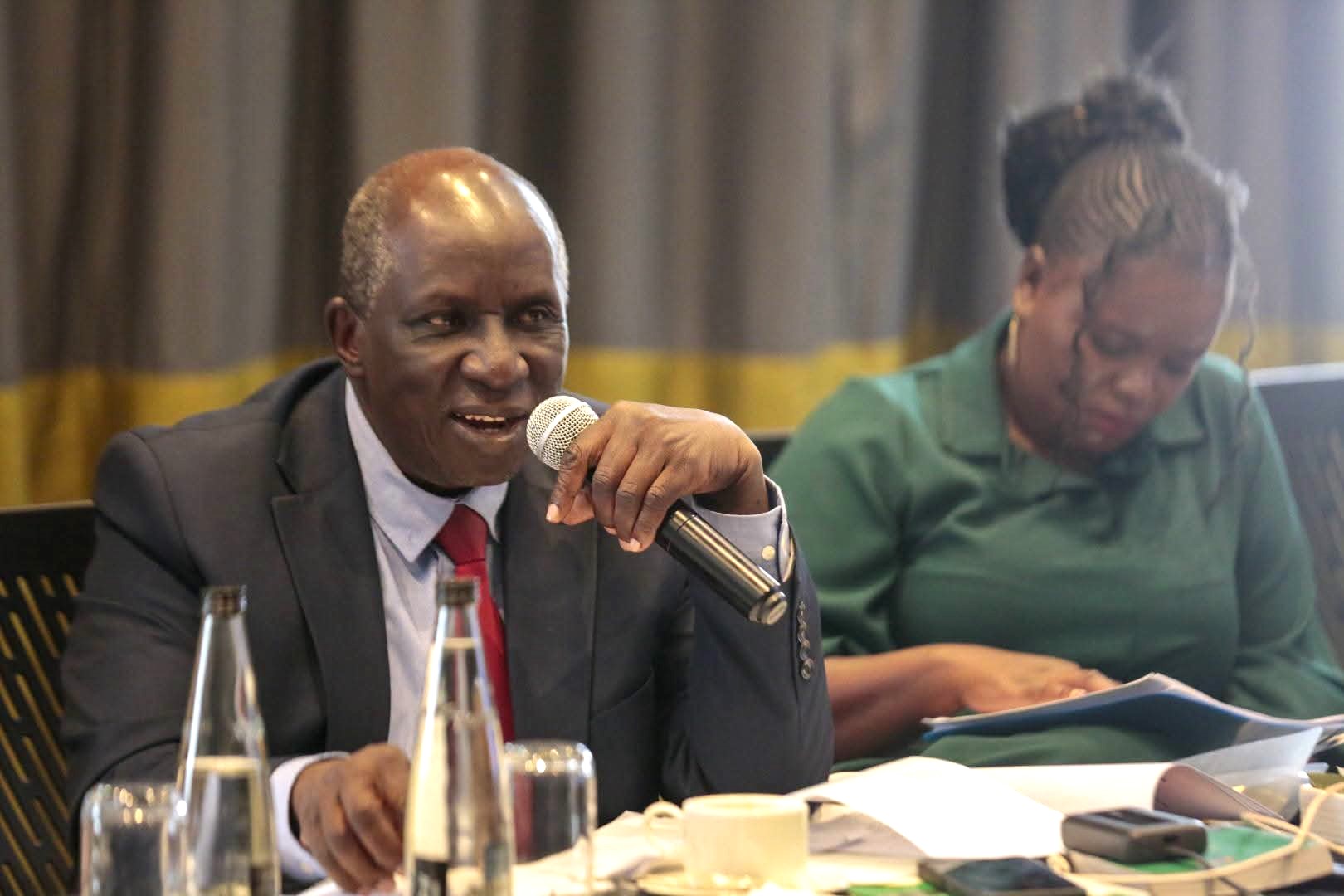
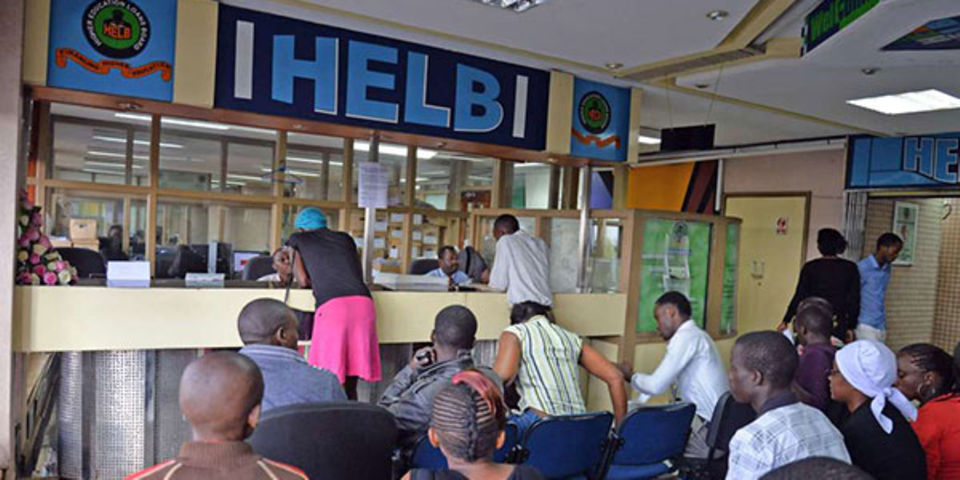
The Higher Education Loans Board (HELB), under the leadership of Chief Executive Officer Geoffrey Monari, has opened applications for the Civil Servants Training Revolving Fund, a groundbreaking initiative that goes beyond just financial support. This is a deliberate, structured window of opportunity—an immediate chance for civil servants to invest in themselves, acquire new skills, and advance professionally without waiting for uncertain external sponsorship. Unlike previous initiatives that were sporadic or limited, this fund is designed to create sustainable impact, ensuring that public servants across all sectors have access to continuous professional development.
Historically, civil servants in Kenya have been trapped in cycles of stagnation. Teachers under the Teachers Service Commission (TSC), for example, have long dreamt of pursuing diplomas, degrees, and specialized training to align with the demands of the Competency-Based Education (CBE) system. Yet financial constraints, lack of guidance, and limited access to relevant programs held many back.
Similarly, officers in the Kenya Police Service faced significant barriers in accessing courses in forensic analysis, cybercrime investigation, intelligence gathering, and other critical areas of skill development. Across sectors, careers stalled not because of a lack of talent or motivation, but because workers lacked timely support, mentorship, and financial assistance to pursue additional education and training.
It is important to emphasize a simple but powerful truth: doing a lower class job does not define a person. What truly defines a civil servant is hard work, initiative, and the pursuit of additional studies and professional qualifications. Th The Fund is designed to reward exactly that—dedication, ambition, and the willingness to invest in oneself. It provides a clear pathway for public servants to reshape their professional identity, improve their skills, and position themselves for leadership and advancement.
ALSO READ:
Boost for civil servants as HELB extends funding for skills upgrade
It is not only sustainable but structured to provide revolving support, meaning that as one cohort benefits, the system replenishes itself to allow others to access funding in turn. Thousands of civil servants can now envision growth as a realistic goal rather than a distant dream. This is a shift from previous approaches, where opportunities were scarce, competitive, and often dependent on chance or external sponsorship. For those willing to seize it, this initiative offers a concrete route to professional and personal transformation.
The timing of this initiative is critical. Kenya’s public sector is undergoing rapid transformation, and the need for skills upgrading has never been greater. The education sector is evolving under the Competency-Based Education (CBE) system, requiring teachers to adopt digital tools, implement learner-centered approaches, and deliver specialized content effectively.
The security sector faces increasingly complex challenges, including cybercrime, transnational organized crime, and sophisticated criminal networks. Public administration is being pushed toward greater efficiency, transparency, and accountability, requiring managers and administrators to adopt modern, data-driven strategies. Across all sectors, the demand for updated and relevant skills is high, and the era when mere experience or seniority guaranteed career progression is over. Today, continuous learning and demonstrated competence are decisive factors for advancement.
Past initiatives underscore the importance of being prepared and proactive. For instance, when the TSC implemented a World Bank-supported P1 teacher upgrading program, only teachers with a KCSE mean grade of C+ and above were shortlisted. Out of thousands, 38,849 teachers made the cut: over 27,000 had C+, nearly 10,000 had B-, and only a few achieved B or higher. Thousands of teachers with lower grades were left out, demonstrating that opportunities favor readiness, competence, and initiative. Those who waited passively, hoping for luck or external sponsorship, missed their chance to benefit. This example illustrates a larger principle: in the public sector, waiting for opportunity is far less effective than seizing the opportunity when it arises.
The HELB fund allows civil servants to act immediately. Teachers can upgrade their pedagogical techniques, integrate technology into classrooms, and align themselves with evolving curricula. Police officers can access specialised training in intelligence, cybersecurity, and crime analysis. Administrators can pursue governance, leadership, and data management courses. Across all sectors, the fund equips workers with the tools they need to remain relevant, competitive, and impactful.
One of the most significant aspects of this fund is its potential to reshape leadership hierarchies within the public service. Civil servants who seize this chance may, over time, rise to lead departments or units where they once reported. Teachers upgrading their qualifications may return as principals; police officers enhancing skills may command units previously led by former supervisors. Authority and leadership will increasingly be determined by competence, skill, and results rather than merely by seniority. This evolution is essential for a modern, merit-driven public sector, where performance, skill, and knowledge define leadership potential.
ALSO READ:
The ripple effects of such transformations are profound. When civil servants upgrade their skills, service delivery improves across the board. A teacher who has enhanced their knowledge does more than teach—they inspire, innovate, and adapt to learners’ needs. A police officer with specialised training does more than enforce the law—they prevent crime, analyze situations critically, and protect communities more effectively. Administrators who improve their skills enhance efficiency, accountability, and public trust. In short, the benefits extend far beyond the individual; they strengthen institutions and improve national outcomes.
Skill upgrading also has a significant psychological impact. Civil servants who see themselves growing professionally gain confidence, motivation, and purpose. Teachers return to classrooms with renewed energy. Officers handle critical situations with assurance. Administrators make better, more informed decisions. The cumulative effect is a workforce that is more engaged, committed, and capable of delivering high performance across the public sector.
Despite the promise, challenges remain. Equitable access must be ensured so that civil servants in remote areas have the same opportunities as those in urban centres. Repayment terms should not create undue burden for lower-cadre employees. Courses must align with national priorities, ensuring that skill development directly supports institutional and sectoral goals. Addressing these factors will maximize the transformative potential of the fund and ensure that its impact is widespread and lasting.
The HELB Civil Servants Training Revolving Fund is particularly timely for those awaiting external sponsorships, such as World Bank programs or scholarships. Waiting can be costly: delays risk stagnation, skill erosion, or being overtaken by colleagues who act decisively. This fund allows civil servants to invest in themselves now, upgrading skills, gaining certifications, and advancing their careers without waiting for uncertain timelines.
Investing in skill development strengthens the public service as a whole. Skilled, continuously learning civil servants implement policies more effectively, manage resources more efficiently, and respond to emerging challenges with agility. Human capital is the backbone of the state; investing in people is, therefore, an investment in the nation itself.
Leadership in Kenya’s public sector is evolving. Merit, competence, and continuous learning increasingly define career progression. Civil servants who seize this opportunity not only advance their careers but also influence the trajectory of the institutions they serve. They may find themselves leading where they once reported, shaping culture, mentoring teams, and fostering innovation. This dynamic creates a responsive, capable, and modern public sector.
The HELB fund represents a shift from reactive to proactive governance. Rather than waiting for crises or external interventions, the government, through HELB, is empowering civil servants to develop continuously. This proactive approach ensures that workers are prepared to innovate, adapt, and respond to complex challenges, strengthening the system and laying a foundation for sustainable improvement in service delivery.
By linking funding to skill development, HELB also fosters accountability and results. Continuous learning becomes a valued principle, aligning personal ambition with institutional objectives. Competence, efficiency, and adaptability become the measures of success, creating a culture where initiative is rewarded and leadership is earned.
The opportunity presented by the fund is both immediate and strategic. Civil servants can pursue training and qualifications now, positioning themselves and their institutions for long-term relevance and leadership. But like all rare windows, it will not remain open indefinitely. Waiting risks stagnation, missed opportunities, and being overtaken by proactive colleagues.
The HELB Civil Servants Training Revolving Fund is more than financial support—it is a catalyst for transformation. It empowers individuals, reshapes hierarchies, and strengthens national capacity. Continuous learning becomes the standard, competence is rewarded, and leadership is earned through skill, performance, and results.
The future now belongs to those who step forward, upgrade their skills, and embrace this opportunity. Teachers will return as innovators, police officers will lead with expertise, and administrators will govern with knowledge and foresight. Ambition meets action, competence shapes leadership, and public service becomes a platform for professional growth and impact.
The window is open. The hierarchy is shifting. The future favors those who invest in themselves and rise to meet the demands of a modern public sector. HELB has set the stage. The choice is now in the hands of Kenya’s civil servants.
By Hillary Muhalya
You can also follow our social media pages on Twitter: Education News KE and Facebook: Education News Newspaper for timely updates.
>>> Click here to stay up-to-date with trending regional stories
>>> Click here to read more informed opinions on the country’s education landscape