The Ministry of Education (MoE) will now review Technical and Vocational Education and Training (TVET) school fees following weeks of consultations and standoffs with education stakeholders.
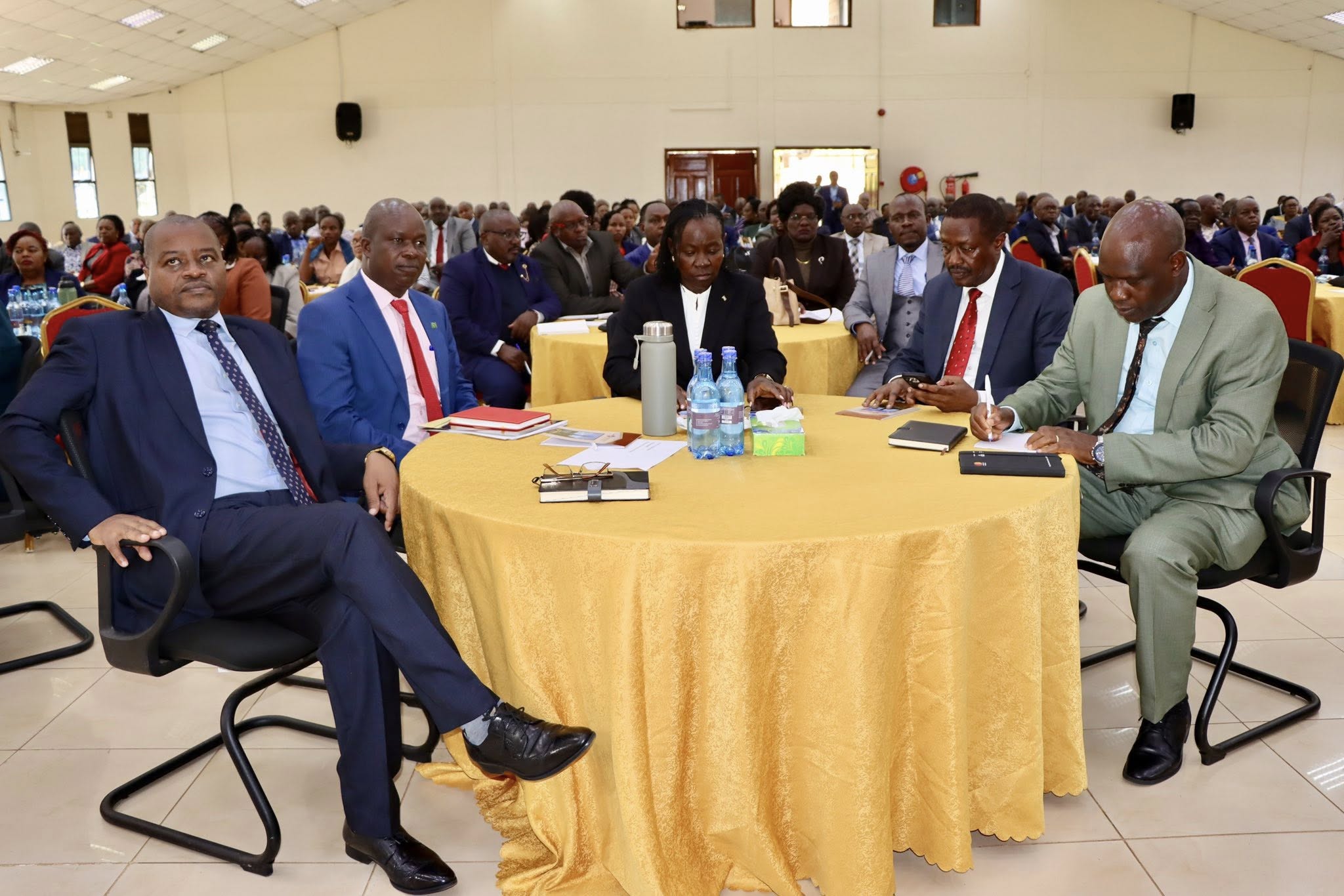
On Wednesday, March 18, a meeting between ministry officials and TVET principals was held at the Kenya School of TVET. The main agenda of the meeting was the review of TVET school fees and the implementation of the Competency Based Education and Training (CBET) curriculum.
TVET Principal Secretary Dr. Esther Muoria said concerns over the current fee structure featured prominently in the discussions. She noted that the ministry had agreed to harmonize tuition and assessment charges in consultation with the TVET Curriculum Development, Assessment and Certification Council (CDACC) to safeguard access for vulnerable learners while ensuring institutions remain financially sustainable.
“As we scale Modularization; affordability, transparency and equity must guide our financing model. We agreed to harmonize fees and assessment charges through consultation with TVET CDACC to protect access for vulnerable learners while ensuring institutions remain sustainably funded without compromising quality,” said Dr. Muoria.
The meeting came a day after Education Cabinet Secretary Julius Migos Ogamba announced that the ministry would move to address tuition challenges facing trainees in TVET institutions to curb dropouts.
Speaking at Kenya Coast National Polytechnic, Ogamba said the ministry had commissioned a team to review and reduce school fees.
ALSO READ:
Kaptama MCA Francis Chemion champions education in Bungoma County
“I have had a chance to speak to some of the students and trainees and they have shared with me some of the challenges they are facing, one of which concerns the exorbitant school fees. I wish to affirm that we have commissioned a team that is going to review the school fees so that we reduce it downwards,” he said.
Ogamba directed that the review process begin immediately, with Wednesday’s meeting forming part of the consultations. He noted that similar interventions in universities had resulted in fee reductions of between 15 and 40 percent.
“We were able to review the university fees which we reduced by between 15 percent and 40 percent, and learning is ongoing. We are going to review this one as well, downwards, so that we ensure that all our trainees remain in school and do not drop out,” he added.
Stakeholders had raised concerns over delays in government sponsorship, prompting the CS to urge trainees to seek financial support from the Higher Education Loans Board (HELB) and the Universities Fund.
In addition to the fee review, the Wednesday meeting assessed the rollout of the Modularized Competency-Based Education and Training (CBET) curriculum. Dr. Muoria described the session as a quarterly consultation to evaluate the progress of TVET reforms, particularly one year after the introduction of modularization.
“Our review shows encouraging gains, including flexible entry and exit points for learners, Recognition of Prior Learning, and closer alignment between training and industry demand. Institutions reported improved completion pathways and clearer progression routes,” she said.
ALSO READ:
Guide, don’t punish young JSS teachers, TSC Director tells school heads
The Principal Secretary has previously defended the modularized programme, dismissing claims of mass dropouts and citing growth in TVET enrolment. She emphasized that the reforms were developed through extensive stakeholder consultations and that principals were actively involved in implementation.
Some education stakeholders had earlier criticized the rollout of the new CBET system, terming it rushed and inadequately planned. The Kenya Union of Technical and Vocational Education Trainers (KUTVET), led by Secretary General Kepher Oguwi had argued that the modularized curriculum is costly, poorly implemented, and has contributed to low enrolment and increased dropout rates.
Regarding the new developments on fee reduction Oguwi stated that any review of the fees should be conducted in a structured and systematic manner.
Speaking to Education News on Thursday, he emphasized that all stakeholders must be involved in the review process to ensure a lasting and permanent solution. Without such an inclusive and well organized approach, he warned that the problem is likely to continue recurring.
By Obegi Malack
You can also follow our social media pages on Twitter: Education News KE and Facebook: Education News Newspaper for timely updates.
>>> Click here to stay up-to-date with trending regional stories
>>> Click here to read more informed opinions on the country’s education landscape