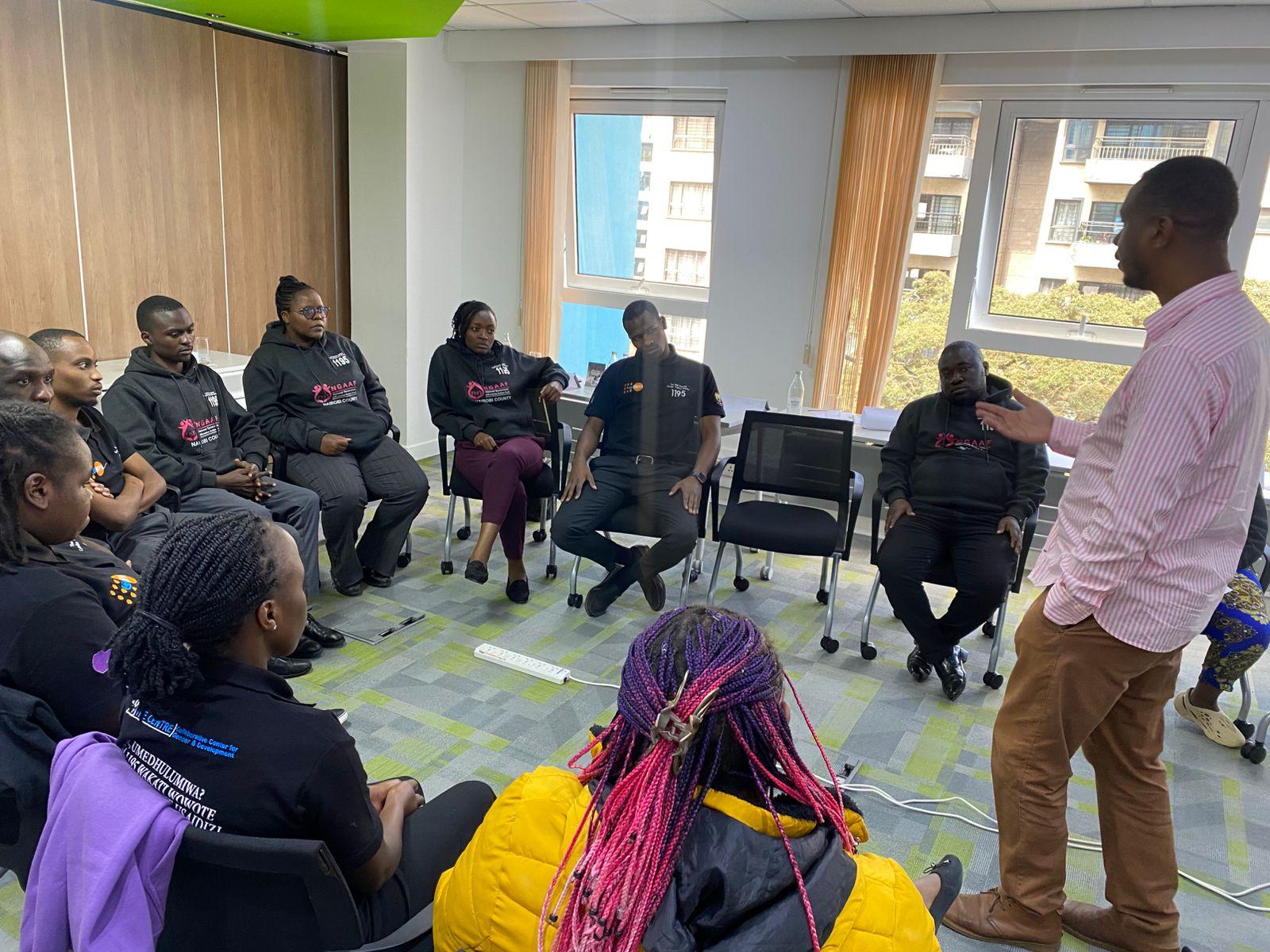
Teachers managing Junior Secondary School classes in Kwale County have intensified demands for the national government to grant Junior Schools full independence within Kenya’s restructured education system, cautioning that unresolved administrative gaps threaten the smooth implementation of the Competency-Based Education (CBE)
Speaking on Monday, March 16, officials from the Kenya Junior School Teachers Association (KEJUSTA) and the Kenya Union of Post-Primary Education Teachers (KUPPET) outlined a raft of concerns they said have persisted since the transition to the new learning framework began.
The Kwale officials pointed to the absence of independent governance structures, strained infrastructure, unresolved teacher career pathways, and the large number of educators still engaged on internship terms as among the most pressing obstacles facing the segment.
KEJUSTA Kwale Chairperson Rivelia Wanyama told attendees that anchoring Junior Schools under primary school administration was inconsistent with the design and aspirations of Kenya’s 2-6-3-3-3 education structure.
“The design of the system is clear. Junior School is not merely an extension of primary school. It is a separate stage that requires its own management and support structures,” Wanyama said.
ALSO READ:
Prof. Julius Nyabundi reappointed as KNEC non-executive chairperson for a second term
Wanyama added that formal recognition of Junior Schools as a distinct level would open the way for dedicated leadership appointments, including principals, deputy principals and Boards of Management, which he said were necessary for sound institutional governance.
He also pushed back against a government proposal to roll out comprehensive schools, saying the model posed a direct threat to the operational and structural identity that Junior Schools were meant to hold under the reformed curriculum.
“We do not support the idea of comprehensive schools because it risks eroding the identity and operational structure of Junior Schools as envisioned under the new education model,” Wanyama said.
He called on the government to additionally create specialised coordination units to manage co-curricular programming at the Junior School level, arguing the segment required purpose-built support frameworks to deliver on the promise of competency-based learning.
By Benedict Aoya
You can also follow our social media pages on Twitter: Education News KE and Facebook: Education News Newspaper for timely updates.
>>> Click here to stay up-to-date with trending regional stories
>>> Click here to read more informed opinions on the country’s education landscape