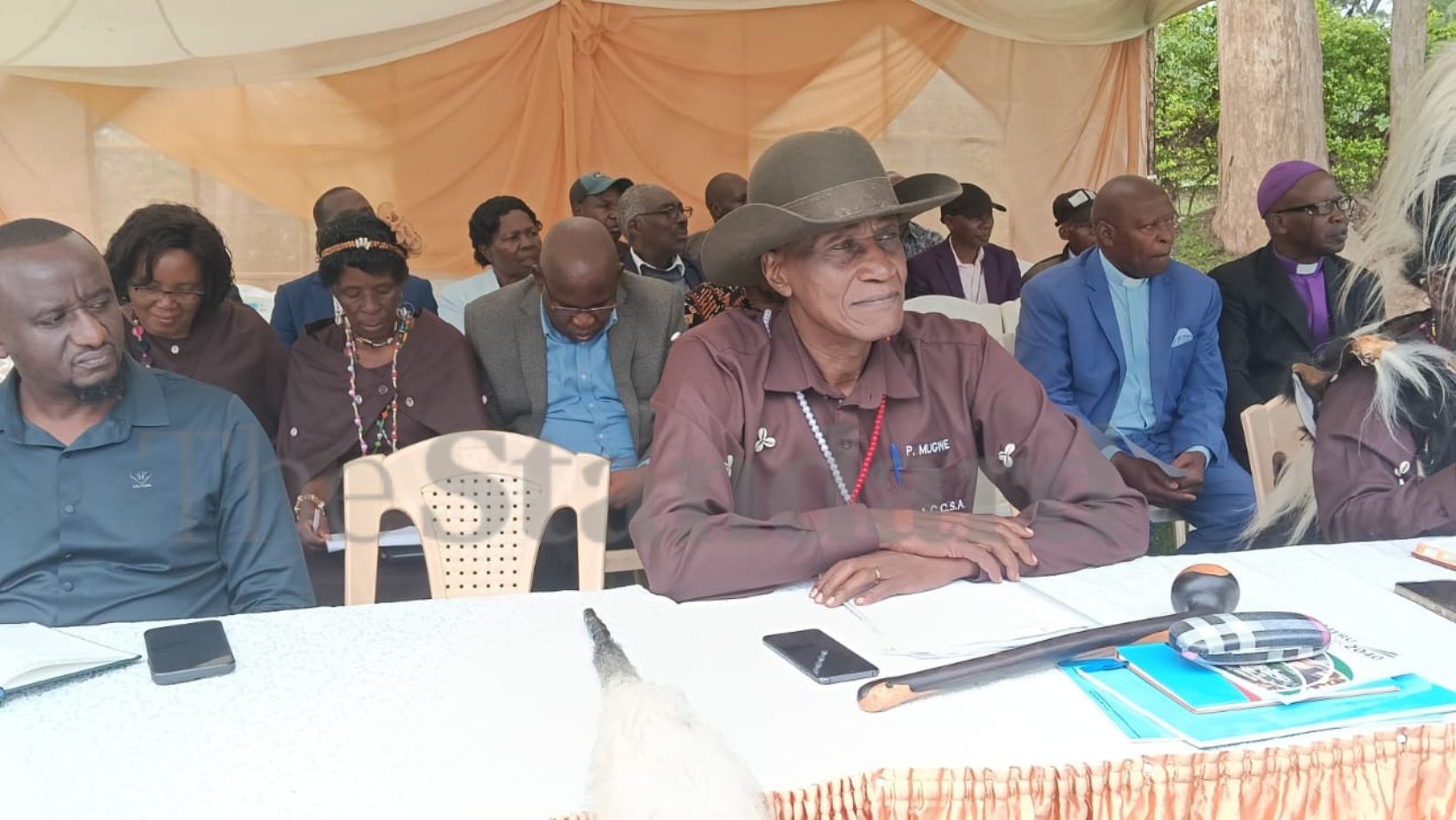
The Ammììrù Community Cultural Stakeholders Association (ACCSA) has raised alarm over the declining use of the Kimeru language, with cultural leaders accusing some residents, radio presenters and event hosts of abandoning the language in public spaces.
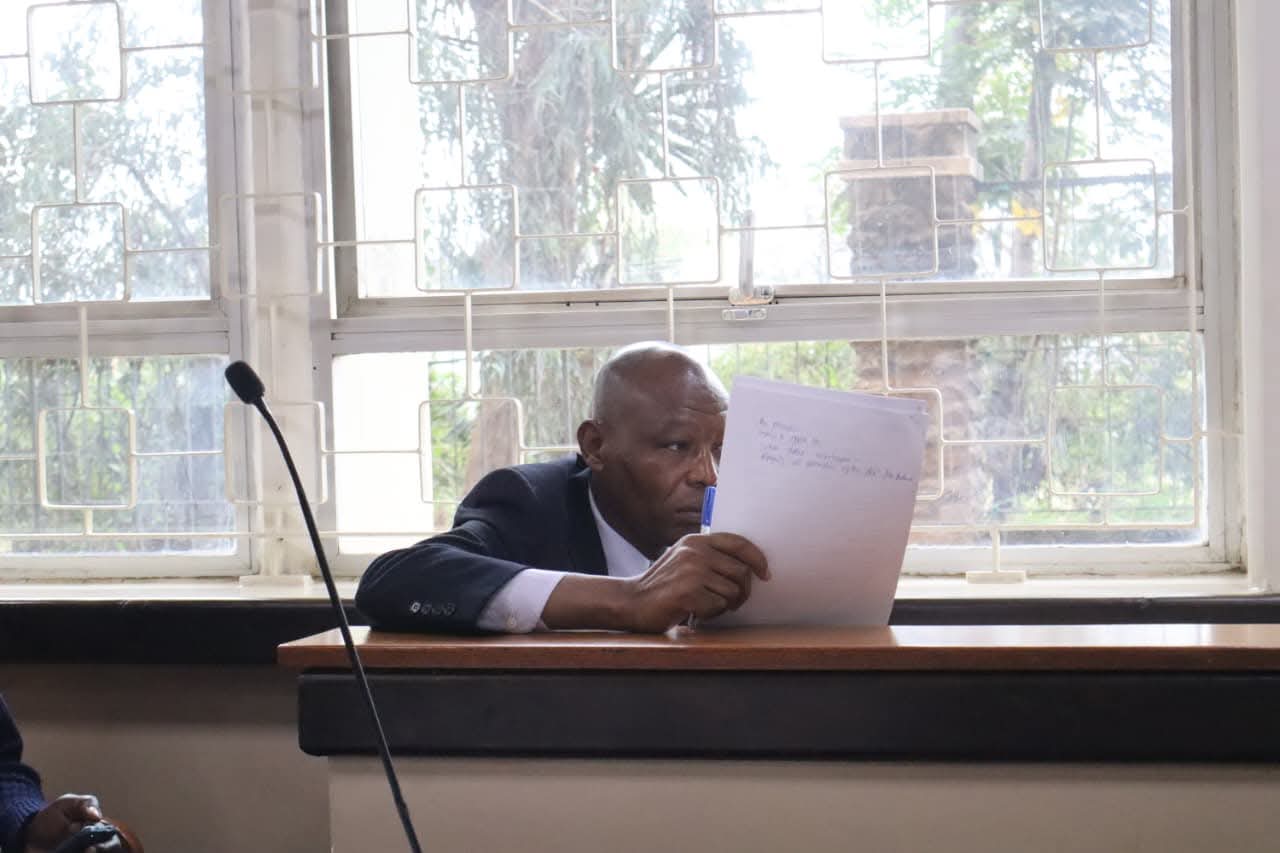
Speaking during an ACCSA meeting held at the Meru Sports Club in Mwendantu, Principal Mugwe Prof. Jacob Kaimenyi warned that the Kimeru language could disappear if those tasked with communicating to the Ameru community continue sidelining it.
“When speaking on radio, discussions should be conducted in Kimeru because if we are not careful the language may eventually perish,” said Kaimenyi.
Kaimenyi expressed frustration that the language is increasingly being ignored even during traditional gatherings such as weddings and burial ceremonies within the county.
He noted that many residents who are fluent in Kimeru are now opting to speak other languages during such events, a trend he said raises serious concerns about the community’s commitment to preserving its cultural identity.
“These days you attend weddings or burial ceremonies and find people who know Kimeru very well speaking other languages as if we do not have our own,” he said.
ALSO READ:
KUCCPS opens applications for 13 Kenya Utalii College courses ahead of April 1 deadline
The cultural leader also took aim at masters of ceremonies and radio presenters working in stations that primarily serve the Ameru community, accusing them of accelerating the decline of the language by frequently switching to other languages instead of prioritizing Kimeru.
He warned that such practices risk gradually erasing the language and undermining Ameru cultural heritage if urgent action is not taken.
Beyond language preservation, Kaimenyi also criticised what he described as the reluctance by some Meru residents to openly defend their regional identity.
He observed that many people from the region shy away from identifying with the Mt Kenya region for fear of being labelled tribalistic, despite other communities openly associating with their regions.
He pointed out that communities such as those from the Kamba nation, the Lake Region and the Mulembe nation freely speak about their regional identity without facing criticism, arguing that people from the Mt Kenya region should not feel intimidated when acknowledging where they come from.
“When other communities proudly say they belong to regions such as the Kamba nation or Mulembe nation, nobody questions them. But when we say we come from Mt Kenya, we are quickly labelled tribalists. There is nothing wrong with identifying where we come from,” said Kaimenyi.
Kaimenyi also challenged Meru residents to support institutions of higher learning within the county by enrolling their children there.
ALSO READ:
Kirinyaga teachers threaten boycotting teaching until Wanjiru killers are arrested
He noted that despite Meru County hosting universities such as Meru University of Science and Technology and Kenya Methodist University, many of the students studying in these institutions come from outside the county.
He urged residents to take pride in the local institutions and contribute to their growth by enrolling their children locally.
Prof Kaimenyi further raised concerns about what he described as disunity among leaders in Meru County, warning that political divisions could slow development if leaders fail to work together.
“Let us unite, especially on matters of development, so that people can see how strongly we stand together as a community,” said Kaimenyi.
By John Majau
You can also follow our social media pages on Twitter: Education News KE and Facebook: Education News Newspaper for timely updates.
>>> Click here to stay up-to-date with trending regional stories
>>> Click here to read more informed opinions on the country’s education landscape