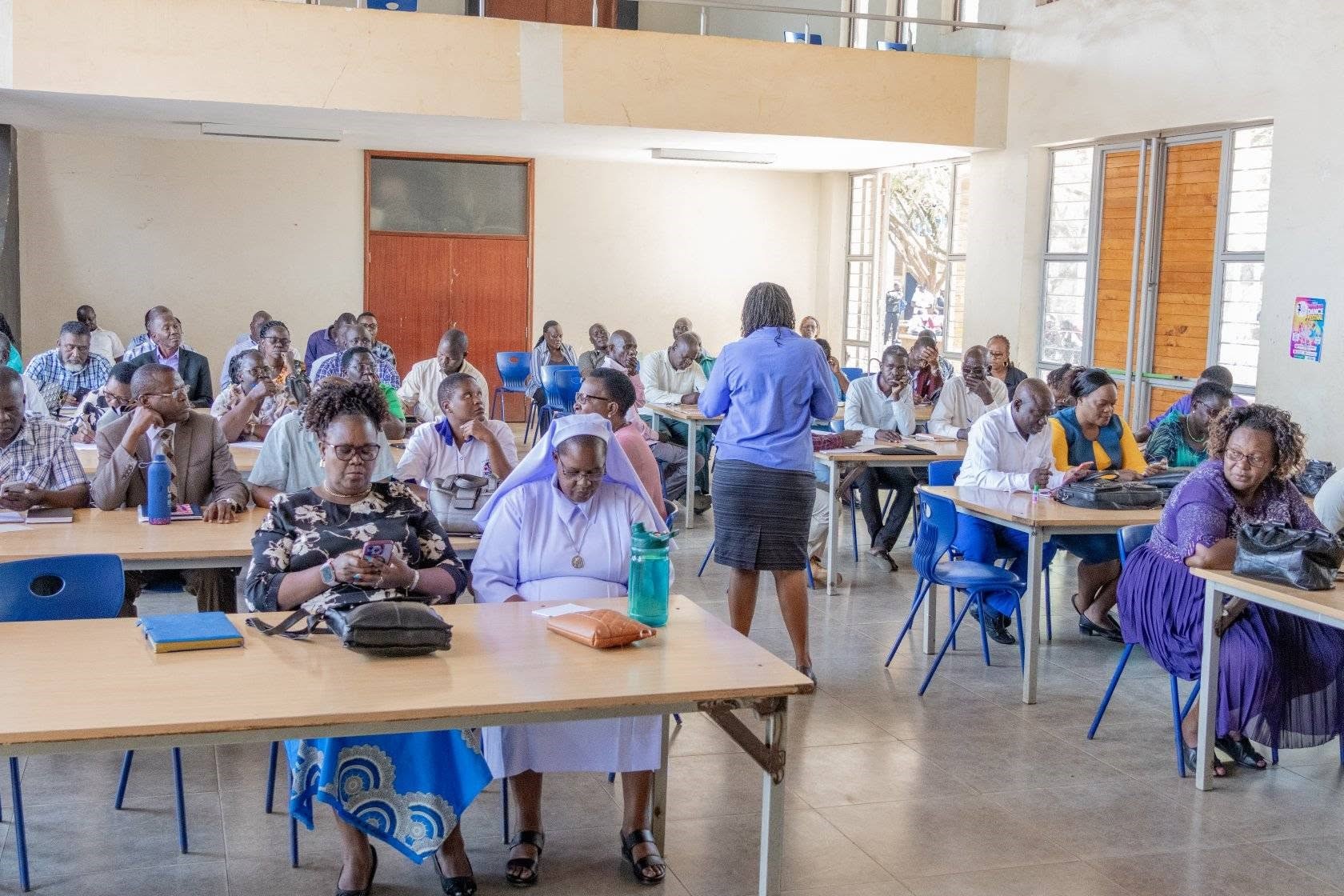
Schools are meant to be sanctuaries of knowledge, places where curiosity is ignited, character is moulded, and young minds are prepared to face the world with courage and confidence. Within the walls of a learning institution, students should feel safe to ask questions, challenge ideas, and explore their talents. Teachers should feel empowered to guide, mentor, and innovate in the classroom. Yet in some institutions, the environment tells a different story. Instead of nurturing freedom, certain rules quietly transform into chains that suffocate creativity, silence voices, and turn schools into rigid systems of control.
The paradox is striking. The same leaders entrusted with cultivating growth can, sometimes unintentionally, become architects of oppressive institutional laws. Principals and head teachers occupy positions of enormous influence. Their policies shape the culture of schools, determine the working conditions of teachers, and affect the daily lives of students. When exercised with wisdom and humility, such authority can transform schools into thriving centres of excellence. But when power is concentrated, and decisions are made without consultation, that authority can easily morph into silent tyranny.
Oppression in learning institutions rarely arrives dramatically. It does not announce itself through loud declarations or obvious acts of injustice. Instead, it creeps in quietly, disguised as discipline, efficiency, or administrative order. A rule here, a directive there—gradually forming a web of restrictions that suffocate the spirit of the institution.
ALSO READ:
Indicators that show a learner has acquired the 7 core competencies and the 8 values
One of the most common ways oppressive rules emerge in schools is through unilateral decision-making. Some institutional heads believe leadership means making decisions alone and expecting immediate compliance. Policies are drafted behind office doors and announced as final directives. Teachers and students are expected to implement them without debate or input.
This approach undermines the very foundation of educational leadership. Schools are not military barracks where commands are issued and followed blindly. They are communities of learners and educators whose collective wisdom often leads to better solutions than any single administrator could produce alone.
When teachers are excluded from decision-making, policies often ignore classroom realities. When students are denied a voice, rules may fail to reflect their experiences and needs. The result is resentment, silent resistance, and a breakdown of trust within the institution.
Consultation is not weakness. It is the hallmark of enlightened leadership. The strongest schools are those where leaders listen deeply before deciding. When teachers, parents, and students participate in shaping policies, they become partners in implementing them. Rules developed through dialogue are rarely oppressive because they reflect shared ownership.
Another pathway to oppressive institutional laws lies in the misinterpretation or exaggeration of government policies. Ministries of education regularly issue guidelines intended to standardize operations, improve discipline, and maintain quality in schools. These directives are typically flexible frameworks rather than rigid commands.
Yet some institutional heads treat them as tools of excessive control. Policies meant to guide institutions may be stretched beyond their intended scope. For example, a directive aimed at maintaining discipline may be turned into a rigid system that restricts student movement, suppresses student leadership, or imposes unreasonable administrative demands on teachers.
In such circumstances, rules begin to overshadow the very purpose they were meant to serve. Instead of enabling learning, they become obstacles to it.
ALSO READ:
TSC starts to issue interview letters to shortlisted candidates for County Director positions
Discipline, undoubtedly, is essential in every learning institution. Without order, the academic environment would quickly descend into chaos. But discipline must never become an ideology of domination. When discipline is pursued without balance, schools can quickly transform into environments where fear replaces respect.
In excessively rigid institutions, every action becomes regulated. Students are punished harshly for minor infractions. Teachers are expected to enforce rules mechanically rather than exercising professional judgment. Surveillance replaces trust, and punishment replaces mentorship.
Such environments produce compliance but not excellence. Students may obey rules out of fear, but they rarely develop the confidence to think independently. Teachers may follow directives, but their creativity and enthusiasm gradually fade.
Financial policies can also become instruments of oppression when introduced without transparency. Schools often require resources beyond government allocations to maintain facilities and support programs. However, when administrators impose mandatory levies without a clear explanation, parents may feel exploited rather than supported.
Unregulated financial demands can place heavy burdens on families already struggling with economic pressures. Students who fail to meet these requirements may face humiliation or exclusion from activities. In such cases, education ceases to be a pathway to opportunity and becomes a source of stress and inequality.
Transparency is therefore critical. Financial decisions should always involve boards of management and parent associations. When communities understand the purpose of contributions and see how funds are utilized, trust grows and cooperation becomes easier.
Another factor that allows oppressive rules to flourish is the creation of bureaucratic cultures that discourage questioning. In some institutions, teachers quickly learn that challenging administrative decisions can carry consequences. Transfers, negative evaluations, or professional isolation may await those who dare to speak.
Gradually, silence becomes the norm. Staff meetings transform into sessions where directives are announced rather than debated. Constructive criticism disappears, replaced by cautious compliance.
Such environments are dangerous for education. Teachers are professionals whose insights are essential in shaping effective policies. When their voices are suppressed, institutions lose valuable perspectives that could improve both governance and academic outcomes.
Leadership style plays a decisive role in determining whether schools nurture freedom or enforce oppression. Authoritarian leaders often believe strict control guarantees efficiency. They rely on commands, regulations, and disciplinary threats to maintain order.
While such methods may produce short-term results, they often create long-term damage. Fear may enforce obedience, but it rarely inspires dedication. Students raised in overly controlled environments may struggle to develop confidence and leadership skills. Teachers working under constant pressure may lose the passion that originally drew them to the profession.
Transformational leadership offers a powerful alternative. Leaders who inspire rather than intimidate create cultures where individuals feel valued and motivated. They build trust, encourage dialogue, and recognize that strong institutions grow through collaboration rather than coercion.
Oversight mechanisms are equally important in preventing oppressive institutional laws. Boards of management, education authorities, and parent associations exist to ensure accountability in school governance. However, when these bodies become passive or disengaged, administrators may operate without meaningful checks and balances.
Active oversight protects institutions from the dangers of concentrated power. Regular reviews of policies, financial management, and disciplinary procedures ensure that leadership remains aligned with the broader mission of education.
The consequences of oppressive rules in schools are profound and far-reaching. Students raised in restrictive environments may lose their curiosity and enthusiasm for learning. They may come to associate education with punishment rather than discovery.
Teachers working under oppressive conditions may experience declining morale and professional burnout. When educators feel undervalued or micromanaged, their ability to inspire learners diminishes.
ALSO READ:
Teddy Odhiambo elected Egerton University Students Association President
Ultimately, the entire institution suffers. Academic performance may stagnate, innovation declines, and the school’s reputation within the community may deteriorate.
Preventing the rise of oppressive institutional laws requires a deliberate commitment to inclusive governance. Policies must be crafted through consultation, transparency, and mutual respect. Teachers, students, parents, and boards of management should all have meaningful roles in shaping the institutional environment.
Open communication is essential. Leaders should encourage feedback and view criticism as an opportunity for growth rather than a challenge to authority. When stakeholders feel heard and respected, conflicts diminish and cooperation flourishes.
Periodic policy reviews are also necessary. Rules that once served a useful purpose may become outdated or excessive as circumstances change. Schools must remain flexible, adapting to evolving educational needs and societal expectations.
Above all, leadership in education must be grounded in humility. Authority should never be mistaken for infallibility. The most effective leaders recognize that their role is not to dominate but to guide.
Education thrives where freedom of thought is protected, where dialogue replaces silence, and where leadership empowers rather than controls. Schools must never become prisons of policy or fortresses of authority.
Instead, they should remain what they were always meant to be—vibrant communities where knowledge flows freely, ideas are nurtured, and every learner is given the space to grow.
When institutional heads remember that leadership is ultimately a service rather than a privilege, rules will cease to be chains. They will instead become bridges—structures that support order while allowing freedom to flourish.
The challenge for educational leaders everywhere is clear: build institutions where discipline coexists with dignity, where authority respects participation, and where the pursuit of knowledge remains the highest law of all.
By Hillary Muhalya
You can also follow our social media pages on Twitter: Education News KE and Facebook: Education News Newspaper for timely updates.
>>> Click here to stay up-to-date with trending regional stories
>>> Click here to read more informed opinions on the country’s education landscape