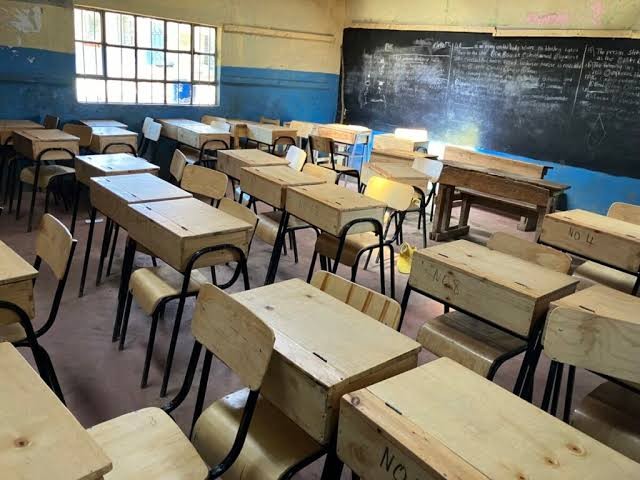
The Teachers Service Commission (TSC) has launched a nationwide staff rationalisation exercise after it emerged that while some schools face acute teacher shortages, others have excess staffing.
Through a circular addressed to County and Sub-County Directors, the Commission instructed Heads of Institutions (HOIs) to submit essential data to facilitate the implementation of the Curriculum-Based Establishment (CBE) framework in their respective schools.
The redistribution process is expected to take effect in April, with surplus teachers being moved either within or beyond their current Sub-Counties. The Commission is particularly targeting teachers who have remained in one station for extended periods.
Under the TSC guidelines, the CBE formula for primary schools is calculated by dividing the total enrolment by 50 and adding 1 teacher.

For junior schools, staffing levels are determined by dividing the total enrolment by forty-five45, given that junior secondary teachers are deployed across the three grades—Grade 7, Grade 8, and Grade 9.
For instance, a school with five teachers may allocate them as follows: two to Grade 7, two to Grade 8, and one to Grade 9.
School heads were required to submit detailed information, including the school’s name, region, county, sub-county, IPPD code, institutional category (e.g., regular primary), enrolment figures, number of male and female teachers, total classes, number of surplus teachers, number of shortages, and remarks indicating whether the school is understaffed, overstaffed or adequately staffed.
What TSC acting CEO told Committee on Education
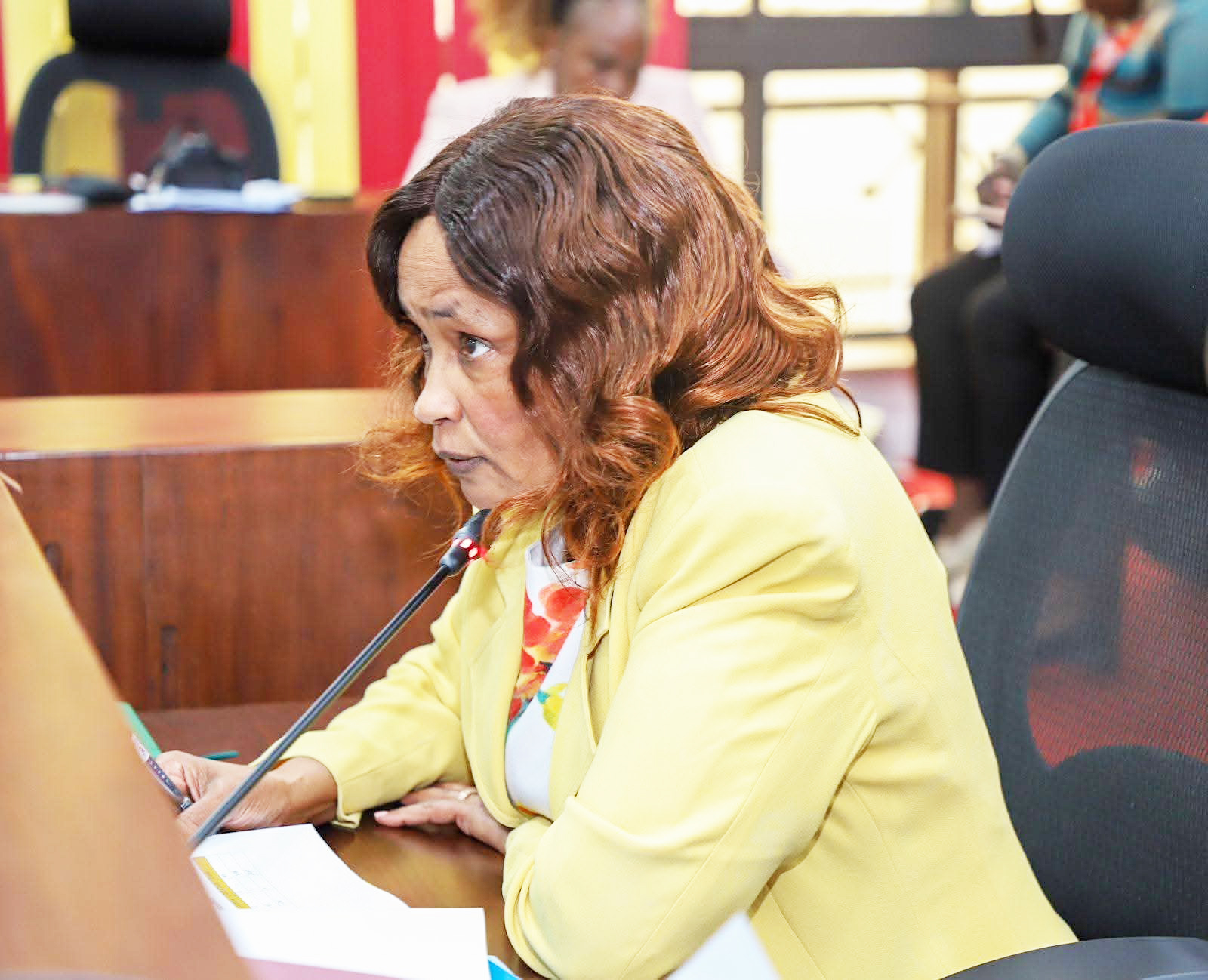
Appearing before the National Assembly Committee on Education, TSC acting CEO Eveleen Mitei stated that most primary schools across the country are currently experiencing overstaffing. She linked this situation to the recent restructuring of the basic education system.
According to the Commission, the transition of Grade 7 and 8—formerly Class 7 and 8—to the junior secondary level has left numerous primary schools with more teachers than required.
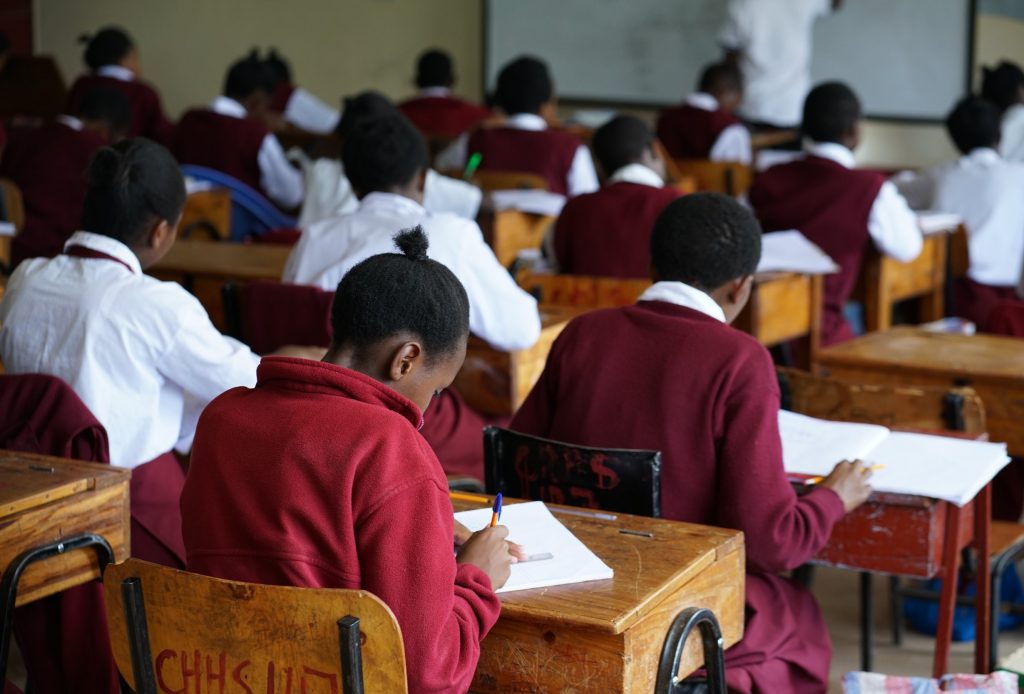
Despite this overall surplus in some areas, several primary institutions continue to experience teacher deficits.
Mitei explained that the restructuring created an excess in lower primary staffing, thereby reducing the immediate need for new primary teacher recruitment.
Consequently, the Commission announced that it will not undertake mass recruitment for primary school teachers, indicating that hiring will only occur to replace those exiting service through natural attrition.

Meanwhile, TSC emphasised that significant teacher shortages persist in junior and senior secondary schools. The Commission noted that it will continue to focus recruitment efforts on these two categories to meet growing learner numbers and curriculum requirements.
This development comes despite earlier assurances from the Kenya National Union of Teachers (KNUT).
READ ALSO: TSC tightens grip as junior staff banned from certifying teachers’ certificates
KNUT Secretary-General Collins Oyuu had assured unemployed P1 teachers that the union had reached an understanding with President William Ruto that TSC will prioritise them in the next mass recruitment of teachers.
However, TSC’s latest communication suggests that although employment openings will still arise, opportunities for primary school teachers will be considerably fewer than those at the junior and senior secondary levels.
By Joseph Mambili
You can also follow our social media pages on Twitter: Education News KE and Facebook: Education News Newspaper for timely updates.
>>> Click here to stay up-to-date with trending regional stories
>>> Click here to read more informed opinions on the country’s education landscape