Members of Parliament have called for urgent legal reforms and financial alignment to end a decade-long dispute over student placement and institutional oversight at the Kenya Medical Training College (KMTC), warning that the impasse threatens the country’s health workforce planning.
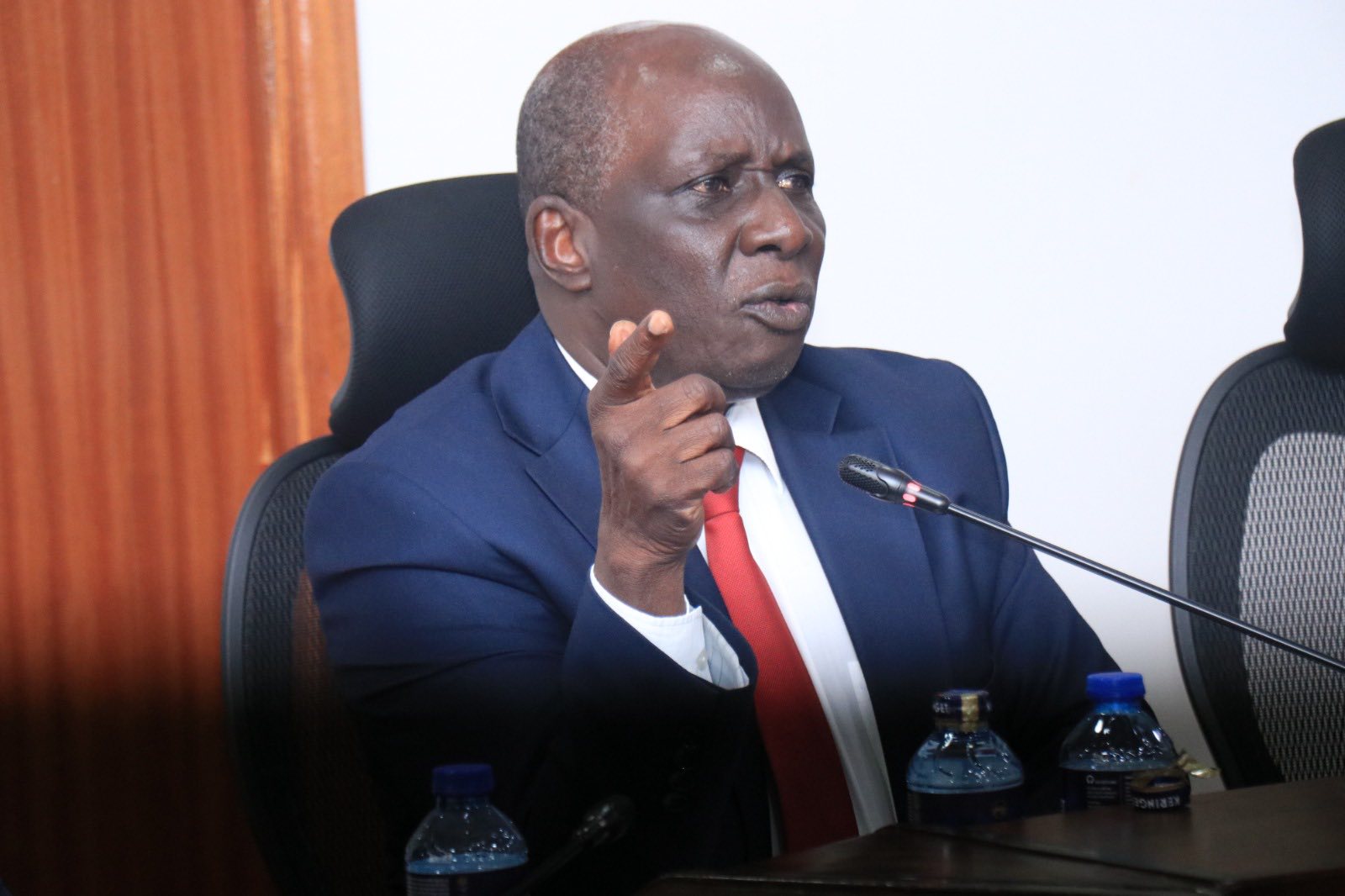
Appearing before the National Assembly Departmental Committee on Health during consideration of the 2026 Budget Policy Statement, Health Cabinet Secretary Aden Duale was pressed to resolve the persistent confusion caused by overlapping mandates between the Ministries of Health and Education. Lawmakers said the back-and-forth had disrupted admissions and undermined the training of health professionals.
Committee chair Seme MP James Nyikal said the country could no longer afford policy inconsistencies on critical health training matters. “We can’t keep moving back and forth as a country. The question is simple: who carries the function and who carries the money?” he posed.
ALSO READ:
Court blocks newly elected KUPPET Mandera officials from assuming office
The dispute, which has lingered for nearly ten years, revolves around control, admissions, and oversight of KMTC institutions.
Currently, placement of KMTC students is handled by the Kenya Universities and Colleges Central Placement Service (KUCCPS) under the Ministry of Education, while admissions and oversight are managed by the Ministry of Health through the State Department for Public Health and Professional Standards. Nyikal argued that the dual system had created confusion, delays, and inconsistencies in health sector planning.
He noted that the Attorney General had already advised that KMTC should admit students directly, and urged the Cabinet Secretary to implement the legal position. “Without clear legal and financial alignment, disputes over control will persist, undermining the training of health professionals at a time when the country faces staffing shortages,” Nyikal said.
CS Duale said the matter required collective political responsibility. “This issue has been there for about 10 years. Unless Parliament changes the law, what the courts are doing is legal, and it will not just disappear,” he said. He pledged to seek advice from the Attorney General, involve the Education Ministry and the Head of Public Service, and engage Parliament in resolving the impasse.
ALSO READ:
PSC announces dates for 2026 Administrative Officers examination
Duale stressed that health training could not be left entirely to the Ministry of Education, noting that while it controls institutions, the Ministry of Health owns the curriculum and oversees the health ecosystem. He also cautioned against allowing commercial interests to drive medical training, warning that compromised standards could damage Kenya’s international reputation.
The committee further urged the Ministry to provide a specific budget line for training slots and to ensure that registrars and examiners are paid for their work. “I don’t want to hear about a registrar working 24 or 48 hours and not being paid. That is wrong. It is a human rights issue,” Nyikal said.
By Masaki Enock
You can also follow our social media pages on Twitter: Education News KE and Facebook: Education News Newspaper for timely updates.
>>> Click here to stay up-to-date with trending regional stories
>>> Click here to read more informed opinions on the country’s education landscape