A KSh111.07 billion budget gap in the State Department for Basic Education risks undermining flagship programmes such as Free Primary Education (FPE), Free Day Secondary Education (FDSE), and junior school capitation, leaving millions of learners underfunded.
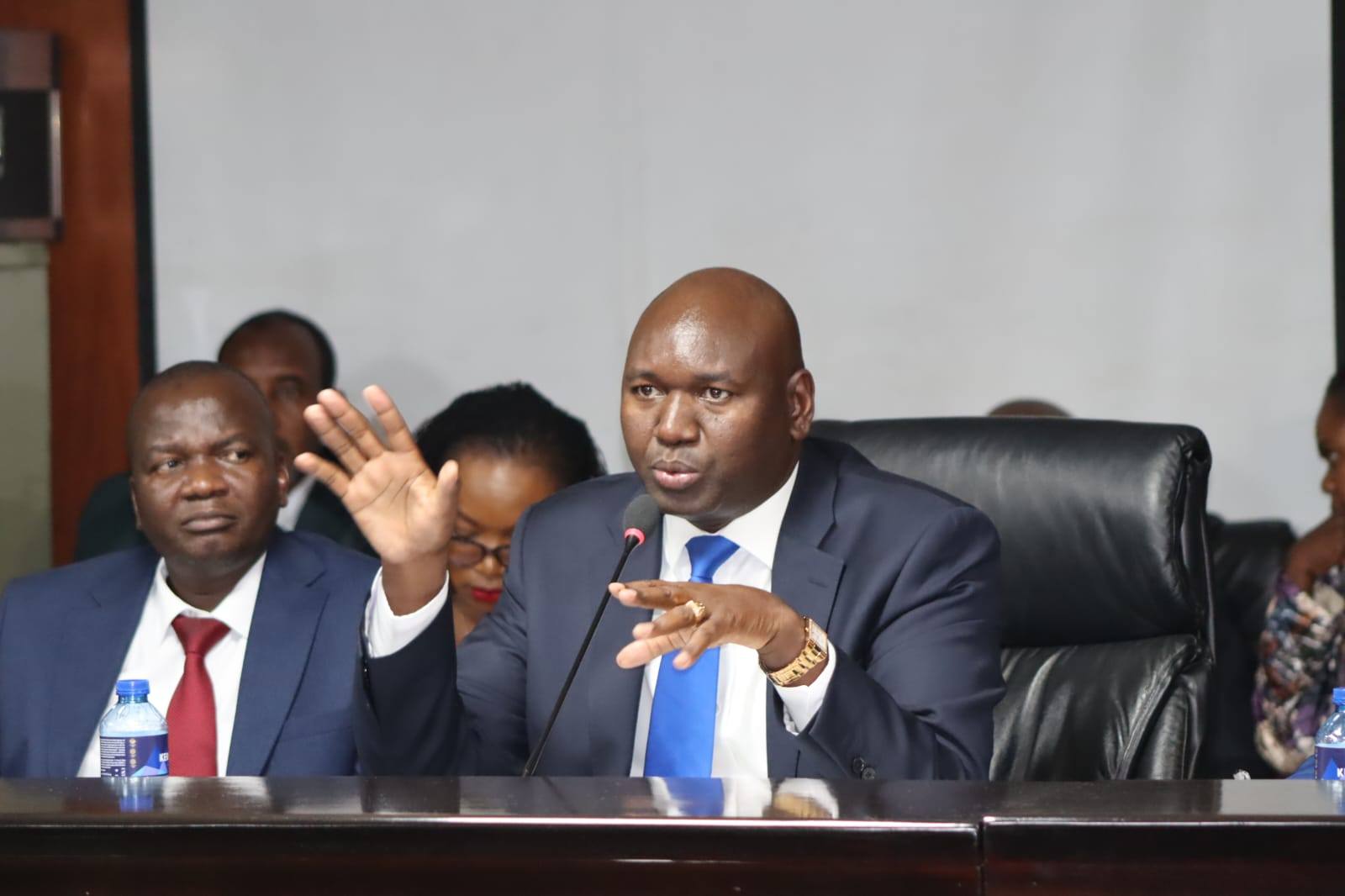
Appearing before the National Assembly’s Departmental Committee on Education, Principal Secretary for Basic Education Prof. Julius Bitok said the department requires KSh245.85 billion to fully implement programmes across primary, junior and secondary schools, as well as teachers training colleges.
Bitok warned that the proposed allocation falls far below the requirement, representing a 45 per cent underfunding in both recurrent and development budgets.
“Under the recurrent budget, the department has a proposed allocation of KSh118.7 billion against a requirement of KSh216.5 billion. Similarly, under development, the proposed allocation for the 2026/27 Financial Year is Sh16 billion against a requirement of Sh29.4 billion,” Bitok told the committee.
ALSO READ:
MPs demand crackdown on illegal school levies as MoE promises action
Under the FPE programme, the government requires KSh15.7 billion to cater for capitation and Special Needs Education (SNE) top-ups for 6.39 million learners. However, only KSh7.01 billion has been allocated, leaving a deficit of KSh8.67 billion.
This means about 3.7 million learners are underfunded, with each learner potentially receiving a reduced rate of Sh1,096.71 instead of the full Sh2,330.
The FDSE programme faces a shortfall of KSh23.52 billion against a requirement of KSh78.41 billion. This deficit will affect over 1 million learners, including 20,166 with special needs who require additional support. Junior school funding has also been cut significantly, with KSh30.92 billion allocated against a requirement of KSh54.69 billion, leaving a KSh23.77 billion gap that will impact 1.58 million learners.
Examinations and invigilation are also underfunded as the MoE requires KSh14.7 billion for 2026/27 but has only been allocated KSh9.9 billion, leaving a KSh4.82 billion deficit. This affects the administration of KJSEA, KCSE, KPSEA, and Stage-Based Assessments.
Other programmes affected include the School Feeding Programme under NACONEK, which targets 2.8 million learners in ASAL and urban informal settlements. It requires KSh3.85 billion but has been allocated KSh3 billion.
ALSO READ:
MoE unveils CBC guidelines for Senior School Literature set books
The Low-Cost Boarding School Programme, supporting 158,286 learners in ASAL areas, faces a KSh120.34 million deficit, while the Integrated Mechanisms for Poverty Reduction and Sustainable Education under NACONEK has a Sh468 million shortfall.
Bitok noted that while the department has cleared all pending bills as of January 31, 2026, KSh91 million remains in unpaid court awards. The proposed budget allocates KSh16.49 million for this, leaving KSh58 million uncovered. He appealed to the committee for intervention to secure additional funding.
Committee chair Hon. Julius Melly urged the ministry to prioritise pending bills and exam payments in the next quarter. “Teachers and examiners have already worked, and their payments must not be delayed,” MP Melly said.
By Masaki Enock
You can also follow our social media pages on Twitter: Education News KE and Facebook: Education News Newspaper for timely updates.
>>> Click here to stay up-to-date with trending regional stories
>>> Click here to read more informed opinions on the country’s education landscape