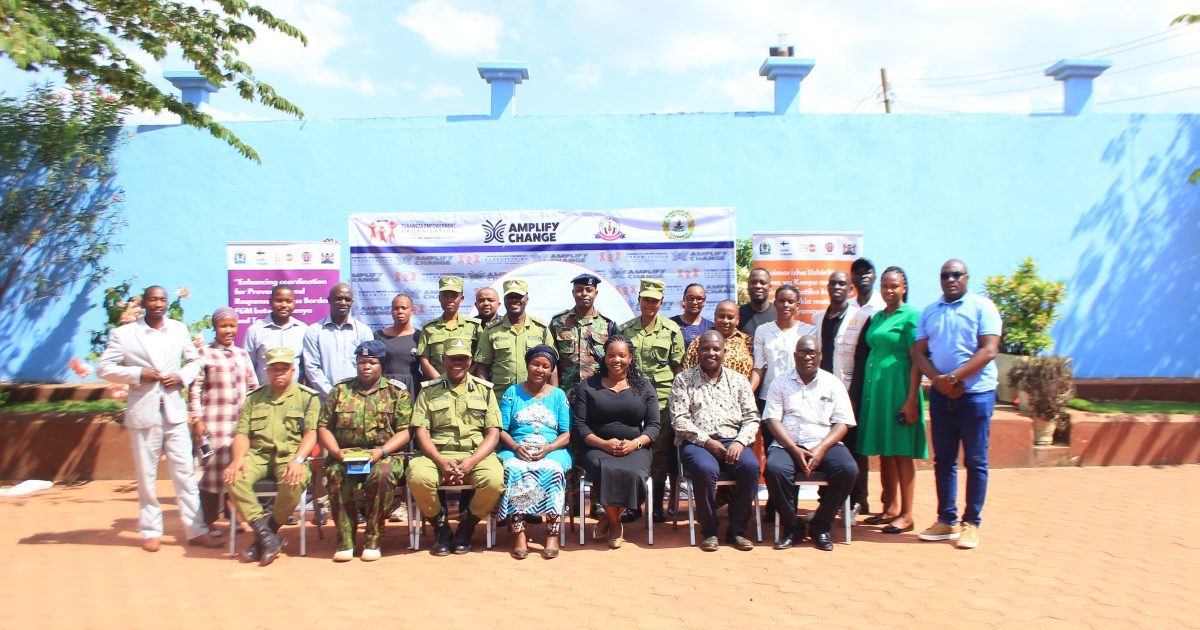
The fight against Female Genital Mutilation (FGM) among the Kuria community has received a shot in the arm after gender activists and government officials from Kenya and Tanzania resolved to strengthen cross-border collaboration to curb the practice.
The renewed commitment follows a slowdown in joint operations last year, raising concerns that gains made in the fight against cross-border circumcision could be reversed.
Already, 13 Kuria clans — four in Kenya and nine in Tanzania — are reportedly planning to conduct circumcision simultaneously later this year. During the December 2025 season, only the Bwirege clan, which spans both countries, carried out the practice, but activists say the threat remains high.
Officials and civil society actors from both countries met in Tarime to review last year’s challenges and develop strategies ahead of the upcoming circumcision season.
“We are here to map out the best strategies to stop cross-border circumcision in December. We have also reflected on challenges from last year; despite only one clan undergoing the cut, we still faced difficulties,” said Vincent Mwita, an activist with Tunaweza Empowerment based in Kenya.
St. Mary’s Kibabii Boys students stage late-night protests over principal’s transfer
Mwita said the meeting focused on ensuring rescue centres for girls fleeing FGM are established closer to the border and that arrests of suspects, as well as monitoring of circumcisers crossing between the two countries, are better coordinated.
“Last year, Tanzania’s election period caused some slack in enforcement. Previously, an active communication channel helped disrupt cross-border activities,” said Michael Marwa of C-Sema, based in Mara Province, Tanzania.
For the first time, authorities reported cases of eight boys and men who had undergone medical circumcision in hospitals being forced to undergo re-circumcision under traditional rites. Two suspects were arrested in Kenya in connection with the incidents. Additionally, 120 girls were rescued after fleeing circumcision, with two active court cases ongoing.
In Tanzania, authorities identified and controlled eight hotspot areas prone to cross-border circumcision, with two cases still under investigation.
Tarime District Commissioner Major Edward Ngoele, through District Secretary Salm Mwaisenye, reported that 63 children in 48 schools — both primary and secondary — were protected from circumcision during the last season. Officials also monitored 63 health facilities in the border region to amplify anti-FGM messaging.
Frustrating examiner payment delay forces KUPPET to petition Parliament
“The fact that the children can escape the vice shows that as regional governments, we must remain vigilant to end it. The younger generation is aware of the problem,” Ngoele said.
The cross-border efforts build on a 2019 initiative in which Kenya joined Somalia, Ethiopia, Uganda and Tanzania to form joint task forces aimed at ending cross-border circumcision among communities that transcend national boundaries.
Across Tanzania’s Mara region, authorities issued Tsh10.2 million in health insurance support for about 2,000 elders and disbursed Tsh1.063 billion in digital funds to 60 groups to promote alternative livelihoods as part of broader anti-FGM interventions.
Mwaisenye noted that a similar forum was held in Tarime in July last year and called for additional meetings before August 2026 to establish clear work plans and prevent a resurgence of the practice.
“We must not relax. Continuous engagement and coordinated planning are key to disrupting FGM completely,” he said.
By Kimutai Langat
You can also follow our social media pages on Twitter: Education News KE and Facebook: Education News Newspaper for timely updates.
>>> Click here to stay up-to-date with trending regional stories
>>> Click here to read more informed opinions on the country’s education landscape