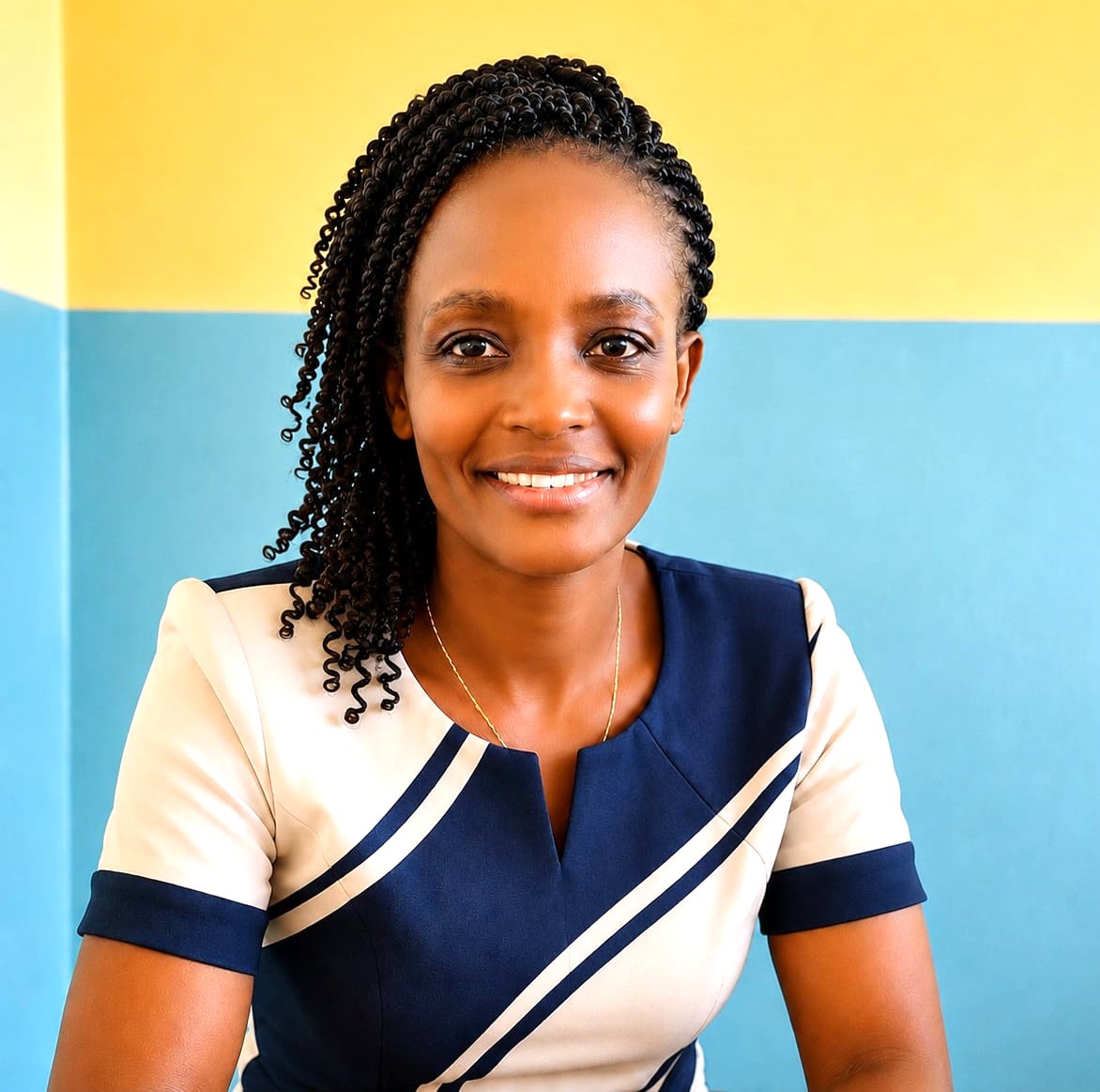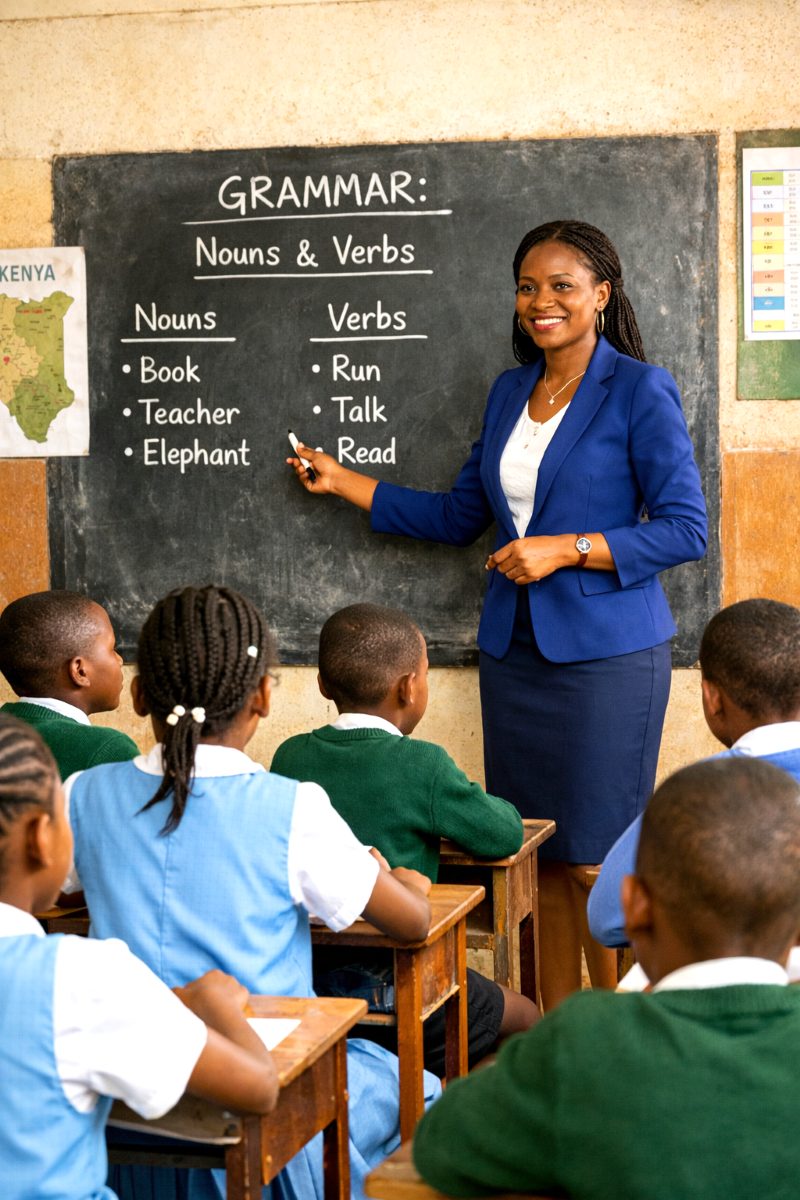
In the classroom, before a word is uttered, before the chalk touches the board, before a learner opens a book, something powerful has already happened. An impression has been formed. As a teacher, your dressing is not a side issue. It is part of your pedagogy. It communicates authority, confidence, credibility, discipline, and respect—long before your content does.
Teaching is not merely a job; it is a public trust. In Kenya and across the world, teachers are viewed as role models. Learners observe everything—the tone of your voice, your punctuality, your mannerisms, and yes, your dressing. The way you present yourself sets the emotional and professional climate of your classroom.
Professional dressing is not about expensive clothes. It is about intentional presentation.
Dressing as a Statement of Authority
Authority in education is not forced; it is projected. When a teacher walks into class well-groomed, neatly dressed, and appropriately attired, learners subconsciously respond with respect. Order begins to take shape naturally.
Compare two scenarios: one teacher appears in wrinkled clothes, mismatched shoes, and an unkempt hairstyle. Another enters in clean, well-pressed attire, modestly styled, and confident. Without speaking, the second teacher has already established a psychological boundary.
Professional dressing reinforces the message: I take my role seriously.
This is particularly important in secondary schools and Junior Secondary Schools under the Competency-Based Education framework. Adolescents are highly perceptive. They test boundaries. A professionally dressed teacher silently communicates firmness and stability.
Dressing and Credibility
Credibility is built in layers—knowledge, consistency, fairness, and presentation. When your appearance aligns with your professional identity, your credibility strengthens.
Parents also form opinions based on how teachers present themselves. During meetings, prize-giving days, or academic clinics, your attire reflects not only on you but on your institution.
Professional presence in education leadership is never accidental. It is cultivated. Dressing is part of that cultivation. Over 38 years in classrooms and school leadership demonstrate that standards in presentation are rarely isolated from standards in performance. Experience consistently shows that when teachers maintain high standards in appearance, learners internalise those standards.
Key Elements of Professional Dressing for Teachers
Professional dressing rests on five pillars: modesty, neatness, appropriateness, simplicity, and consistency.
- Modesty
Teaching environments demand modest attire. Clothes should neither be too tight nor too revealing. For male teachers, extremely tight trousers or flashy shirts can send the wrong message. For female teachers, overly short skirts or transparent fabrics may compromise professional boundaries.
Modesty protects both the teacher and the learning environment. It prevents distractions and preserves the dignity of the profession.
- Neatness
Clothes should be clean and well-ironed. Shoes should be polished. Hair should be well-kept. Grooming matters—trimmed nails, subtle fragrance, and tidy appearance enhance professionalism.
A neat teacher conveys organisation. An organised teacher inspires organised learners. Disorder in dressing often mirrors disorder in approach.
- Appropriateness
Dress according to context. A sports day calls for a different outfit than a board meeting. A science lab session may require protective wear. An official ceremony may require a suit or formal attire.
READ ALSO:
Understanding context is professional maturity. Professionalism is not rigidity; it is situational wisdom.
- Simplicity
Flashy, distracting clothing shifts attention from learning to appearance. Loud colours, excessive jewellery, or dramatic fashion statements can disrupt concentration.
Teaching is not a fashion runway. It is a platform of influence. Simplicity keeps focus where it belongs—on learning.
- Consistency
Professionalism is not occasional. It must be consistent. Dressing well only on inspection days but relaxing standards thereafter sends mixed signals.
Consistency builds trust. When learners know what to expect from you—both in conduct and presentation—they respond with stability.
The Psychological Impact on Learners
Learners thrive in structured environments. Structure is communicated through routines, rules, and visual cues. A professionally dressed teacher becomes a symbol of stability.
When students see their teacher dressed with care daily, they learn:
Preparation matters.
Self-respect matters.
Presentation matters.
Professionalism is a habit.
In many schools, performance and discipline often correlate with teacher culture. Where teachers uphold high standards—including dressing—learners mirror those standards. Standards are contagious.
Gender Considerations in Professional Dressing
Professional dressing does not mean uniformity. It means appropriateness within gender norms and institutional guidelines.
For male teachers:
Well-fitted trousers.
Collared shirts.
Ties were required.
Closed, polished shoes.
Groomed hair and facial hair.
For female teachers:
Knee-length skirts or tailored trousers.
Blouses that are not revealing.
Moderate heels or comfortable closed shoes.
Minimal accessories.
Neat hairstyles.
The guiding question should always be: Does this outfit enhance my professional identity?
If the answer is uncertain, it is better to err on the side of caution.
Dressing and Self-Confidence
There is a direct link between dressing and confidence. When you look prepared, you feel prepared. When you feel prepared, you teach better.
Professional attire creates a mental shift from casual mode to professional mode. It signals readiness. It sharpens posture. It strengthens voice projection. It reinforces authority.
Teachers face many pressures—curriculum demands, parental expectations, and administrative responsibilities. Dressing intentionally becomes part of personal discipline. It becomes part of mental preparation.
Cultural Sensitivity in Kenyan Schools
Kenyan schools operate within diverse cultural contexts. Dressing must respect local values and community expectations.
In rural settings, overly flamboyant dressing may be perceived negatively. In urban schools, certain standards may be more relaxed but still guided by institutional policy.
Professional dressing balances individuality with community expectations. A teacher must never forget that he or she serves within a social ecosystem shaped by culture, faith, and shared values.
Leadership and Dressing
For teachers aspiring to leadership—Heads of Departments, Deputy Principals, Principals—presentation becomes even more critical.
Leadership presence is communicated visually. When addressing staff, engaging stakeholders, or representing the school externally, appearance amplifies authority.
A leader who dresses professionally inspires confidence in parents, boards of management, and learners alike. Stakeholders often equate neatness of dress with competence. While this perception may not always be perfect, it remains a social reality that cannot be ignored.
A professional image strengthens institutional image.
Common Mistakes Teachers Should Avoid
Wearing jeans and T-shirts in formal academic settings.
Excessive perfumes that disturb learners.
Slippers or open sandals in professional environments.
Clothes with political slogans.
Untidy hair or unshaven appearance.
Extremely casual Friday dressing that erodes authority.
Professional boundaries must remain intact. Casualness can quickly become complacency.
Dressing in the Era of CBE
Under the Competency-Based Education system, teachers are facilitators, mentors, and assessors. Their roles are more interactive and dynamic. This requires comfort, but not casualness.
Professional dressing can still allow mobility. Smart casual—when permitted by school policy—can be both comfortable and respectable.
The key is balance: comfort without compromise.
The Unspoken Curriculum
Teachers teach two curricula: the formal curriculum and the hidden curriculum.
The hidden curriculum includes punctuality, respect, discipline, and presentation.
When teachers dress professionally, they silently teach learners about workplace expectations. Many students will one day enter offices, hospitals, courtrooms, or corporate boardrooms. The standards they observe now shape their future professionalism.
In truth, dressing professionally is not about impressing others. It is about modelling adulthood. It is about demonstrating maturity. It is about shaping culture.
Conclusion: Dressing as Integrity
Professional dressing is not vanity. It is integrity expressed visually.
It shows respect for:
Yourself.
Your learners.
Your colleagues.
Your profession.
Every morning, when you choose what to wear, remember: you are not just selecting clothes. You are preparing to lead minds.
In a profession that shapes the future, details matter.
Dress like the professional you are. Teach like the leader you are.
Because sometimes, the first lesson is not written on the board—it is worn.
By Hillary Muhalya
You can also follow our social media pages on Twitter: Education News KE and Facebook: Education News Newspaper for timely updates.
>>> Click here to stay up-to-date with trending regional stories
>>> Click here to read more informed opinions on the country’s education landscape
>>> Click here to stay ahead with the latest national news.