In recent years, the issue of examination certificates being withheld from former students has become a national concern in Kenya, drawing sharp criticism from learners, parents, civil society, and lawmakers. Long regarded as unassailable evidence of academic achievement, certificates issued by the Kenya National Examinations Council (KNEC) — including the Kenya Certificate of Primary Education (KCPE) and the Kenya Certificate of Secondary Education (KCSE) — had, for far too long, been treated by some schools as instruments of debt recovery. Students who completed their studies and passed their national exams have found themselves blocked from further education or gainful employment because principals refused to release their certificates over unpaid school fees or related financial disputes.
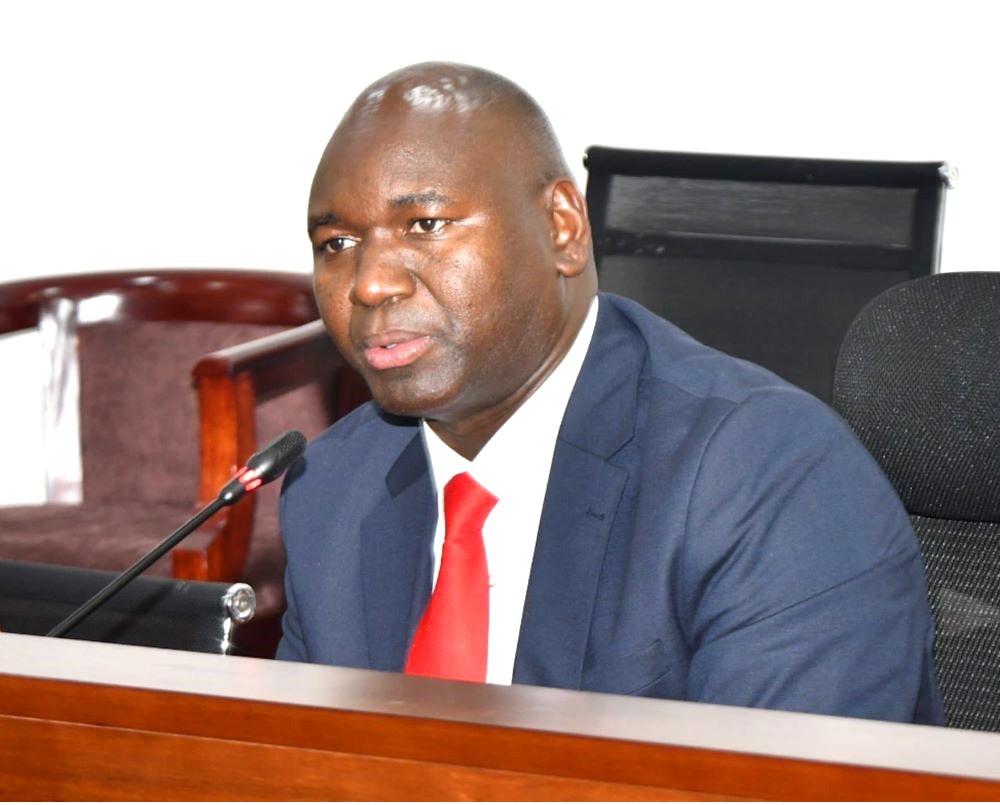
The withholding of certificates — a practice that contravenes both statutory law and learners’ basic rights — led to growing public outcry and sustained advocacy for reform. In response, the government and its institutions moved to tackle what had become not just an administrative problem, but a rights issue affecting thousands of young Kenyans. The Parliamentary Education Committee, led by Hon. Julius Melly, played a pivotal role in advocating stronger enforcement, highlighting the human cost of delayed certificate issuance and calling for decisive action to protect students’ academic futures. In early 2025, the Executive and Parliament took steps to reaffirm that examination certificates belong to the students who earned them, and that no school administrator, regardless of position, has the legal authority to retain them for financial leverage. The committee also emphasised that the Teachers Service Commission (TSC), under its Acting Secretary, Evelyn Mitei, must take immediate oversight action to ensure compliance by school principals.
At the centre of this reform was a ministerial directive issued by the Ministry of Education, which explicitly required all schools — public and private — to release withheld certificates immediately upon request, irrespective of outstanding fees. The directive cited the Kenya National Examinations Council Act, 2012, which clearly prohibits the withholding of examination certificates for any reason, including unpaid school fees. Implementation of the directive was entrusted to County Directors of Education, who were instructed to ensure compliance and to submit detailed reports within specified timelines on how schools under their jurisdiction were adhering to the order.
Despite the legal clarity and the official instructions, compliance was inconsistent across the country. While some schools began issuing certificates without further delay, others remained resistant, arguing that they needed to protect their financial interests or that the directive posed administrative challenges. Private school associations, in particular, raised concerns about the implications of unconditional certificate release for school finances — although the legal position remained unequivocal that certificates must not be withheld.
In the National Assembly, the matter attracted further attention from lawmakers who continued to underscore the human cost of delayed certificate release. During parliamentary debates, Members of Parliament drew attention to the plight of students who had completed their education as far back as the early 2010s but were still unable to access their KCSE certificates due to unpaid fees. Many of these learners, despite having earned the qualification to proceed, were unable to undertake university admission, secure formal employment, or even begin vocational training because they lacked the fundamental academic documents required for such opportunities.
READ ALSO:
Rift Valley security team launches joint crackdown on illicit brew trade
The Parliamentary Education Committee, under the leadership of Hon. Julius Melly, championed stronger enforcement mechanisms. One of the key outcomes was a resolution that tasked the Teachers Service Commission (TSC), under Acting Secretary Evelyn Mitei, with ensuring that school principals comply with the certificate release directive. Under this mandate, TSC was not only to remind principals of the legal requirement but also to take disciplinary action against those who continued to defy the law. Enforcement was to include collecting data on principals and headteachers who refused to release certificates despite repeated warnings, with the aim of subjecting them to administrative sanctions or other legal consequences.
Analysts and education stakeholders welcomed this shift, noting that involving TSC — Kenya’s constitutional body responsible for the registration, deployment, and discipline of teachers — gave the enforcement process teeth. By integrating disciplinary oversight under Acting Secretary Evelyn Mitei’s leadership, the government sought to ensure that compliance was not merely advisory but obligatory and enforceable. The expectation was that principals who flouted the directive would face scrutiny under TSC’s disciplinary processes, which have the authority to recommend sanctions up to and including removal from office in extreme cases.
Beyond enforcement, the situation also renewed debate on how best to manage the logistics of certificate distribution to prevent future occurrences. Critics had long pointed out that schools are not ideally positioned to serve as custodians of alumni certificates, especially years after students have left the institutions. They noted that schools’ dual role as both service providers and custodians of crucial academic documents created a conflict of interest — particularly where financial disputes arose. As a result, proposals were put forward to shift certificate collection responsibilities to Sub‑County Education Offices, under the Ministry of Education’s supervision. Such a shift, supporters argue, would remove the direct link between schools and former students’ certificates, thereby preempting scenarios in which principals might leverage certificates to influence fee settlements.
READ ALSO:
TSC has a shortfall of Shs 10bn for teachers medical cover, set to hire 16,000 teachers this year
Progress toward this proposed system has advanced, with the Ministry of Education signalling that, starting in 2026, students would be able to collect their KCPE and KCSE certificates from designated sub‑county offices rather than from the original schools of attendance. This arrangement is intended to streamline the process, ensure equitable access, and uphold learners’ rights without undue interference from school financial disputes.
For many students and parents, the reforms have already yielded tangible benefits. Reports indicate that numerous schools began issuing withheld certificates after the Cabinet Secretary’s public order, allowing former students to pursue their educational and professional aspirations. In some counties, these reforms have been met with enthusiasm, as students who had been stranded by years of administrative inertia were finally able to receive the academic recognition they earned.
Nevertheless, enforcement challenges persist in some areas, and government officials continue to urge parents and learners to report any instances in which certificates are unjustly withheld. The Ministry of Education has reiterated its commitment to protecting students’ rights and ensuring that no learner’s future is jeopardised by unresolved financial disputes or administrative inertia.
In conclusion, the directive from the Teachers Service Commission, under Acting Secretary Evelyn Mitei, to oversee the release of withheld certificates represents a significant step toward reaffirming learners’ rights in Kenya. It underscores the government’s resolve to enforce existing laws, uphold accountability among educational administrators, and remove barriers to students’ progress. It also highlights the necessity of administrative reforms that align institutional practices with legal provisions and human rights principles. As the implementation of these measures continues into 2026, education stakeholders are hopeful that the systemic reforms — including alternative channels for certificate distribution — will mark the end of a long-standing challenge that has impeded the aspirations of countless young Kenyans.
By Hillary Muhalya
You can also follow our social media pages on Twitter: Education News KE and Facebook: Education News Newspaper for timely updates.
>>> Click here to stay up-to-date with trending regional stories
>>> Click here to read more informed opinions on the country’s education landscape
>>> Click here to stay ahead with the latest national news.