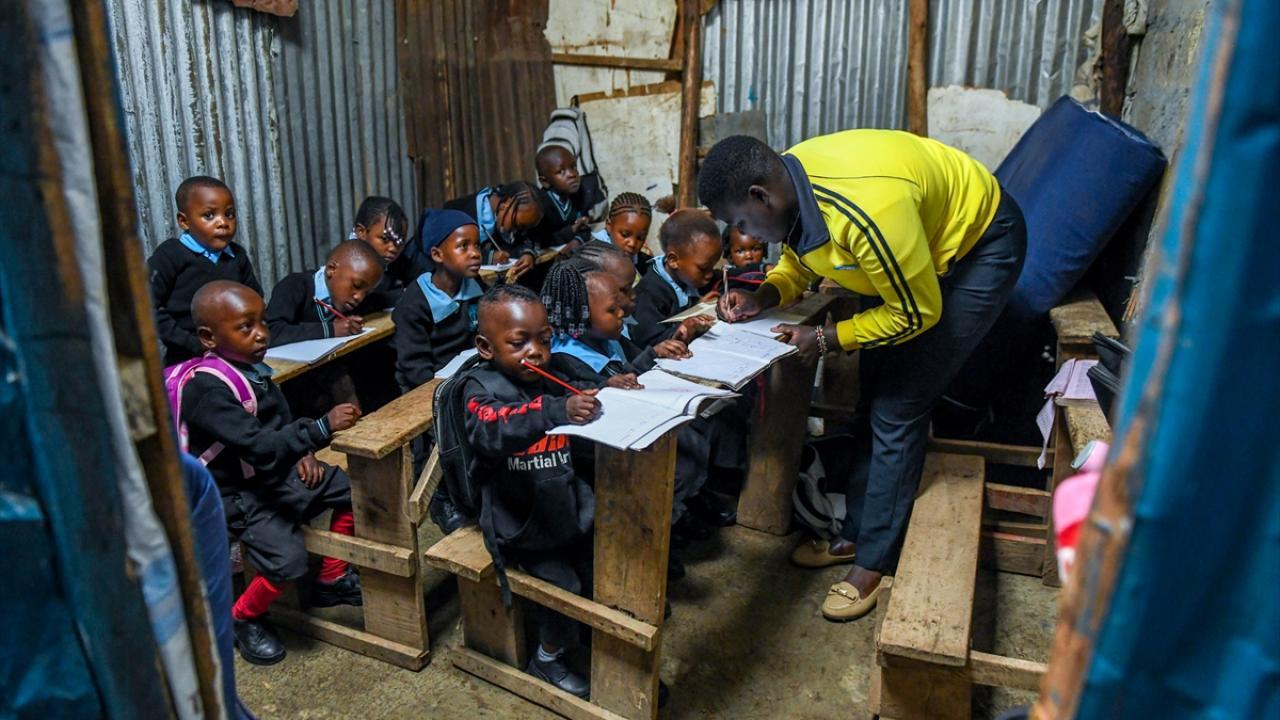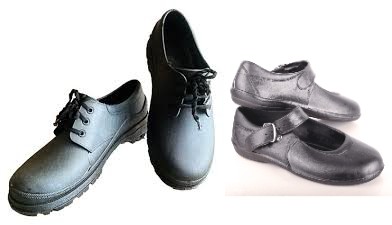
Plastic shoes have become a familiar sight in homes across Kenya and beyond. Bright, colorful, lightweight, and waterproof, they are often the first choice for many parents. They are easy to clean, inexpensive, and seem durable enough to withstand the everyday life of children heading to school or playing in the yard.
On the surface, plastic shoes appear to be the perfect solution. But beneath their cheerful exterior lies a hidden story—a story that many parents are not aware of. These shoes, made from synthetic materials like PVC or EVA, are by-products of fossil fuels, and while they may protect children’s feet from mud and rain, they carry a range of silent health risks that can affect children both now and in the future.
The problem begins with the chemicals used in manufacturing plastic shoes. To make plastics flexible, colorful, and long-lasting, manufacturers add substances such as phthalates, BPA, and volatile organic compounds, or VOCs. Phthalates, for instance, are endocrine-disrupting chemicals that can interfere with the delicate hormonal balance in children.
Exposure to phthalates has been linked to altered growth patterns, early puberty, and even potential reproductive challenges later in life. BPA, another common additive, can similarly affect hormone regulation and has been shown to influence metabolism, increasing the risk of obesity. VOCs, the chemicals responsible for the sometimes overwhelming “new shoe smell,” are not merely unpleasant—they can irritate the lungs, worsen asthma, and affect the overall air quality children are exposed to, especially in poorly ventilated environments.
ALSO READ:
KNEC invites teachers to apply as 2026 KCSE, KJSEA examiners
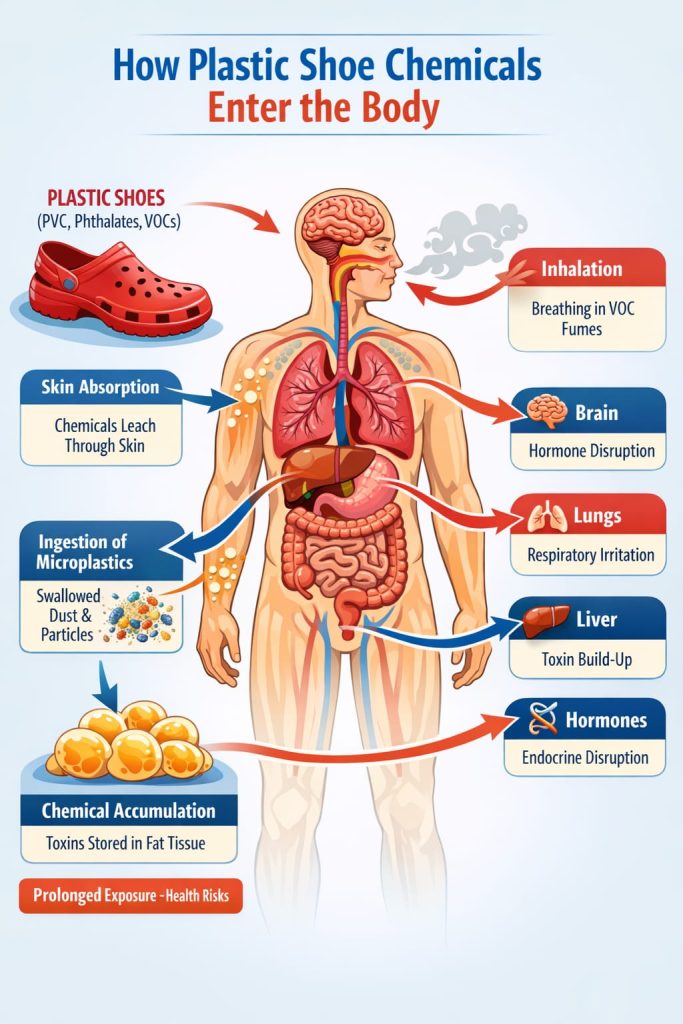
But how exactly do these chemicals enter the body? The answer lies in several subtle, yet continuous, pathways. First, through the skin. Children’s skin is thinner and more permeable than that of adults, and prolonged contact with PVC or EVA allows small amounts of phthalates and other chemicals to leach into the bloodstream. The risk increases when the child’s feet sweat, as moisture enhances chemical absorption. Second, through inhalation. VOCs emitted from new plastic shoes can be breathed in repeatedly, potentially leading to respiratory irritation over time.
Finally, through ingestion. As plastic shoes are worn, they shed tiny particles known as microplastics, which can cling to hands, toys, or household surfaces. Young children often touch these particles and, without realizing it, ingest them. Once inside the digestive system, these microplastics carry chemical residues, which can irritate the gut and, over time, accumulate in fat tissue, subtly affecting hormone balance, metabolism, and growth.
In addition to chemical risks, plastic shoes pose physical challenges to children’s foot health. Unlike leather or canvas shoes, plastic footwear is rarely breathable. Trapped moisture encourages fungal infections, athlete’s foot, and unpleasant odors. The rigid material can also cause blisters, calluses, or rashes, particularly on the tender feet of growing children. Many plastic shoes lack proper arch support or cushioning, which may contribute to flat feet, heel pain, or posture problems over the long term. For children who spend hours standing or walking in school, these issues can accumulate silently, affecting their comfort, mobility, and even overall health.
The environmental consequences of plastic shoes also feed back into human health. Non-biodegradable and made from fossil fuel by-products, discarded plastic shoes can remain in landfills for centuries. As they break down, they release microplastics into the soil and water, which can eventually re-enter the food chain. The very materials that make these shoes convenient also contribute to a broader cycle of chemical exposure. The production process itself releases greenhouse gases and other pollutants, linking the seemingly personal choice of footwear to larger environmental and public health concerns.
Certain groups of children are more vulnerable than others. Young children, especially those under seven, are at higher risk because their bodies absorb chemicals more readily. Children with skin sensitivities or allergies may experience rashes, eczema, or other reactions from contact with PVC or phthalates. In hot climates, sweat increases chemical absorption and children with respiratory conditions like asthma may find VOC exposure exacerbates their symptoms. Even when parents are careful, the cumulative effect of prolonged exposure over months and years can subtly influence growth and development, often without immediate signs.
ALSO READ:
Despite these hidden risks, plastic shoes are not inherently “bad.” They serve practical purposes, especially in wet or muddy conditions, and for many families, they are the most affordable option. The challenge lies in moderation, awareness, and informed use. Limiting the daily use of plastic shoes, especially for long hours in school or at play, can reduce chemical exposure. Ensuring proper fit and comfort helps prevent blisters, skin irritation, and posture issues. Ventilating new shoes before children wear them allows VOCs to dissipate. Rotating footwear, using breathable shoes like canvas or leather for regular wear, and maintaining proper hygiene can significantly mitigate risks. Parents should also dispose of worn-out shoes responsibly or explore recycling options to prevent environmental harm.
Education and awareness are key. Parents need to recognize that convenience often comes at a hidden cost. Prolonged exposure to chemicals in plastic shoes, combined with poor foot ventilation and environmental contamination, creates a complex, often invisible set of health risks. Teachers, school administrators, and policymakers also have a role to play by promoting safe, breathable footwear as part of school uniform policies and supporting research into non-toxic, eco-friendly alternatives.
Ultimately, the story of plastic shoes is a reminder that every choice has consequences. Wearing plastic shoes occasionally is unlikely to cause severe harm, but repeated and prolonged exposure, especially in young children, can quietly influence growth, metabolism, and overall health. Awareness, careful selection, and moderation are critical to ensuring that the benefits of plastic shoes—durability, affordability, and convenience—do not come at the cost of children’s long-term well-being. Protecting children’s feet is about more than comfort or style; it is about preventing hidden health issues before they start, fostering proper development, and encouraging habits that respect both human health and the environment.
By understanding these risks, parents can make informed decisions, balancing practicality with safety. The bright, colorful shoes that make children smile today should not cast a shadow over their health tomorrow. A little awareness, a few mindful choices, and thoughtful habits can ensure that convenience and safety go hand in hand, keeping children’s feet—and their futures—healthy. Plastic shoes may be everywhere, but knowledge, care, and caution are what truly protect the youngest and most vulnerable among us.
By Hillary Muhalya
You can also follow our social media pages on Twitter: Education News KE and Facebook: Education News Newspaper for timely updates.
>>> Click here to stay up-to-date with trending regional stories
>>> Click here to read more informed opinions on the country’s education landscape