In the dynamic world we live in today, literature is far more than a mere subject in the school curriculum; it is a compass guiding learners through life, a mirror reflecting the complexities of human nature, and a lens through which society can be understood in its multifaceted dimensions. Beyond reading and memorisation, literature challenges the mind, cultivates moral judgment, nurtures empathy, and encourages deep self-reflection. It invites students to step into the shoes of characters, to imagine lives different from their own, and to understand the consequences of choices in both fictional and real-world contexts.
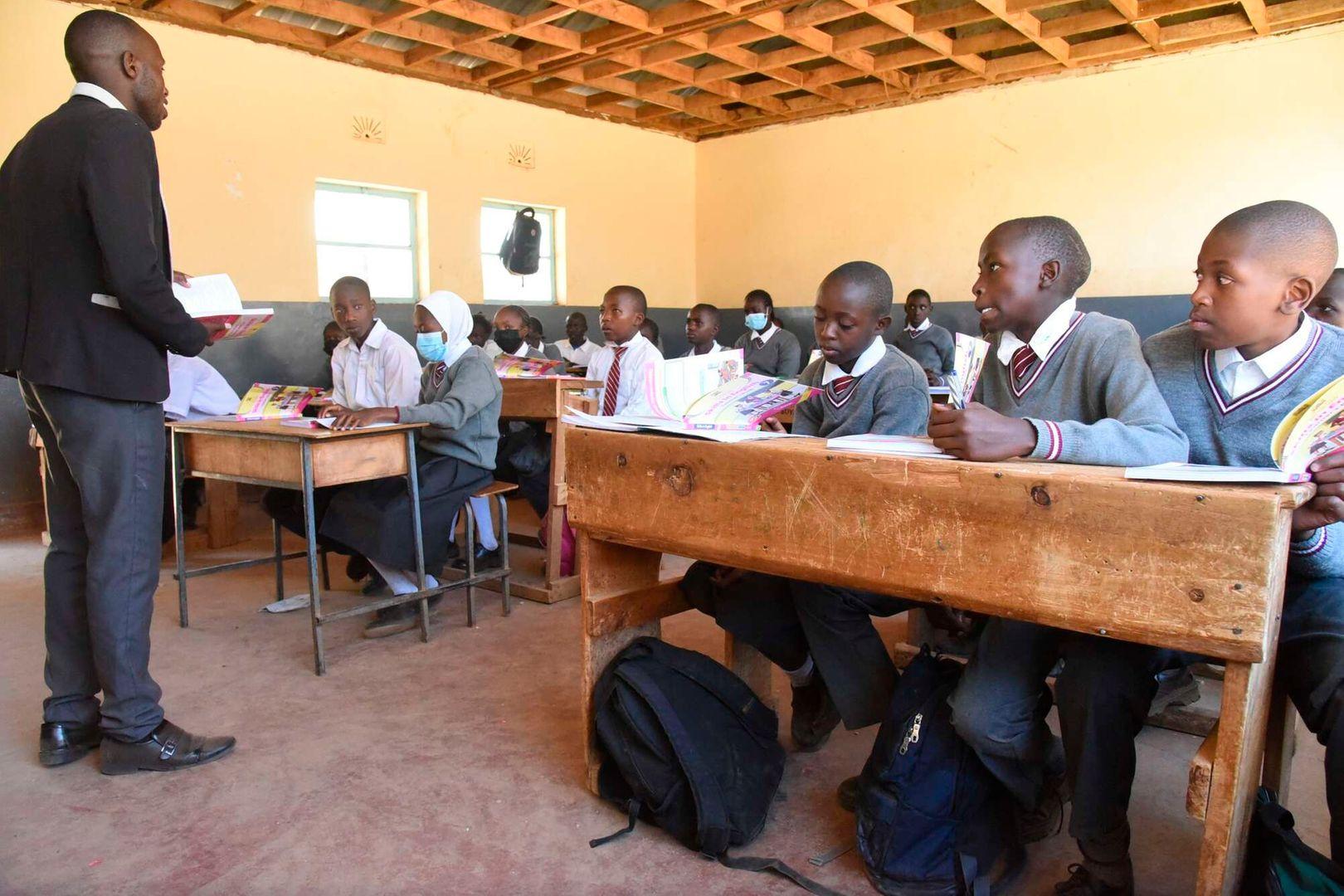
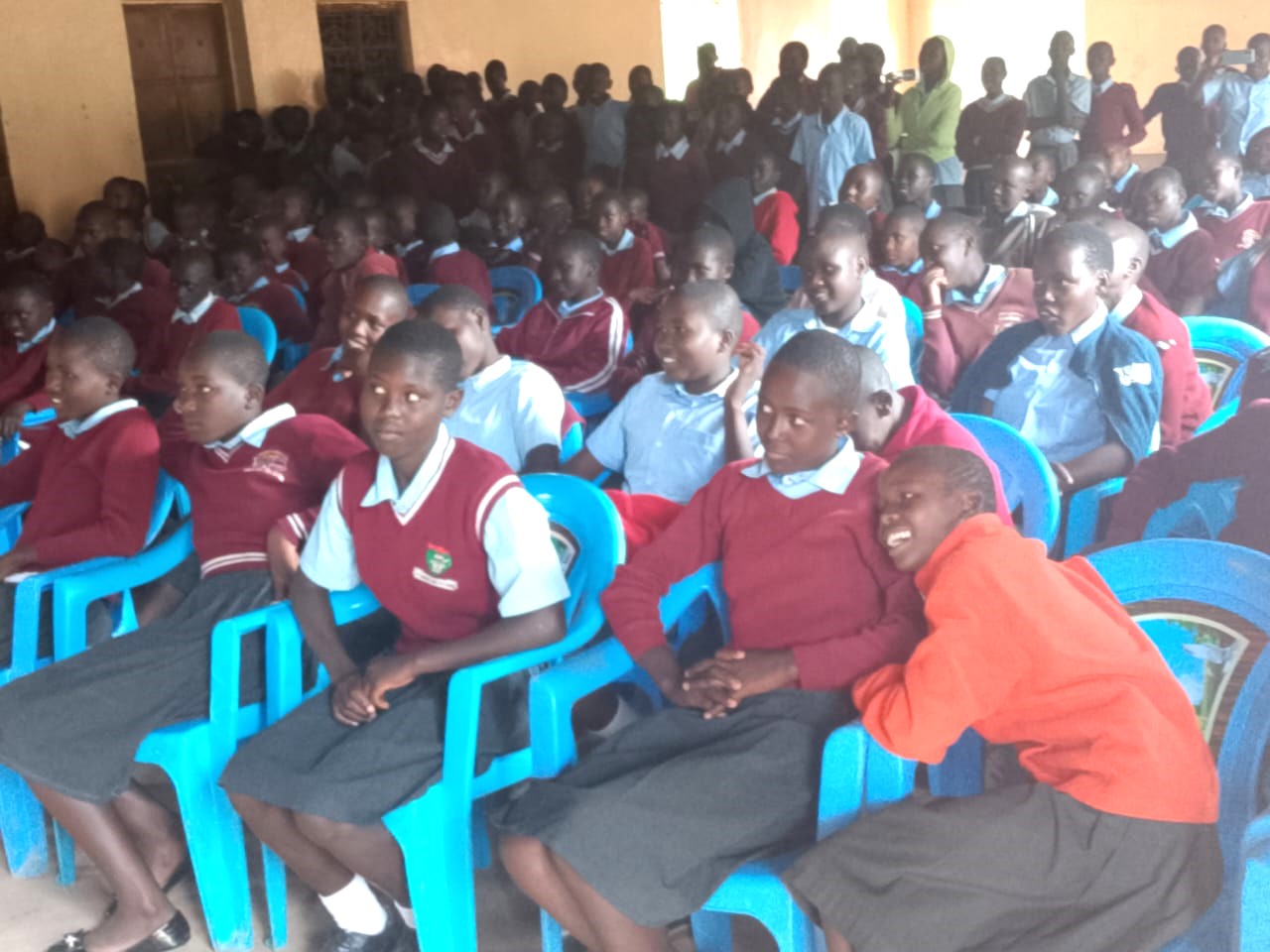
At Talau Comprehensive School, learners recently had the extraordinary privilege of witnessing the Milele performance by actors from Maseno University, a transformative enactment of the KICD-approved Swahili and English novellas, plays, and poetry for Grades 7, 8, and 9. This event was far more than a theatrical presentation; it was a powerful confluence of education, culture, and human experience. Through performance, abstract themes such as hope, resilience, courage, empathy, morality, social responsibility, cultural identity, conflict resolution, and ethical reflection were brought to life, demonstrating their relevance in the contemporary world.
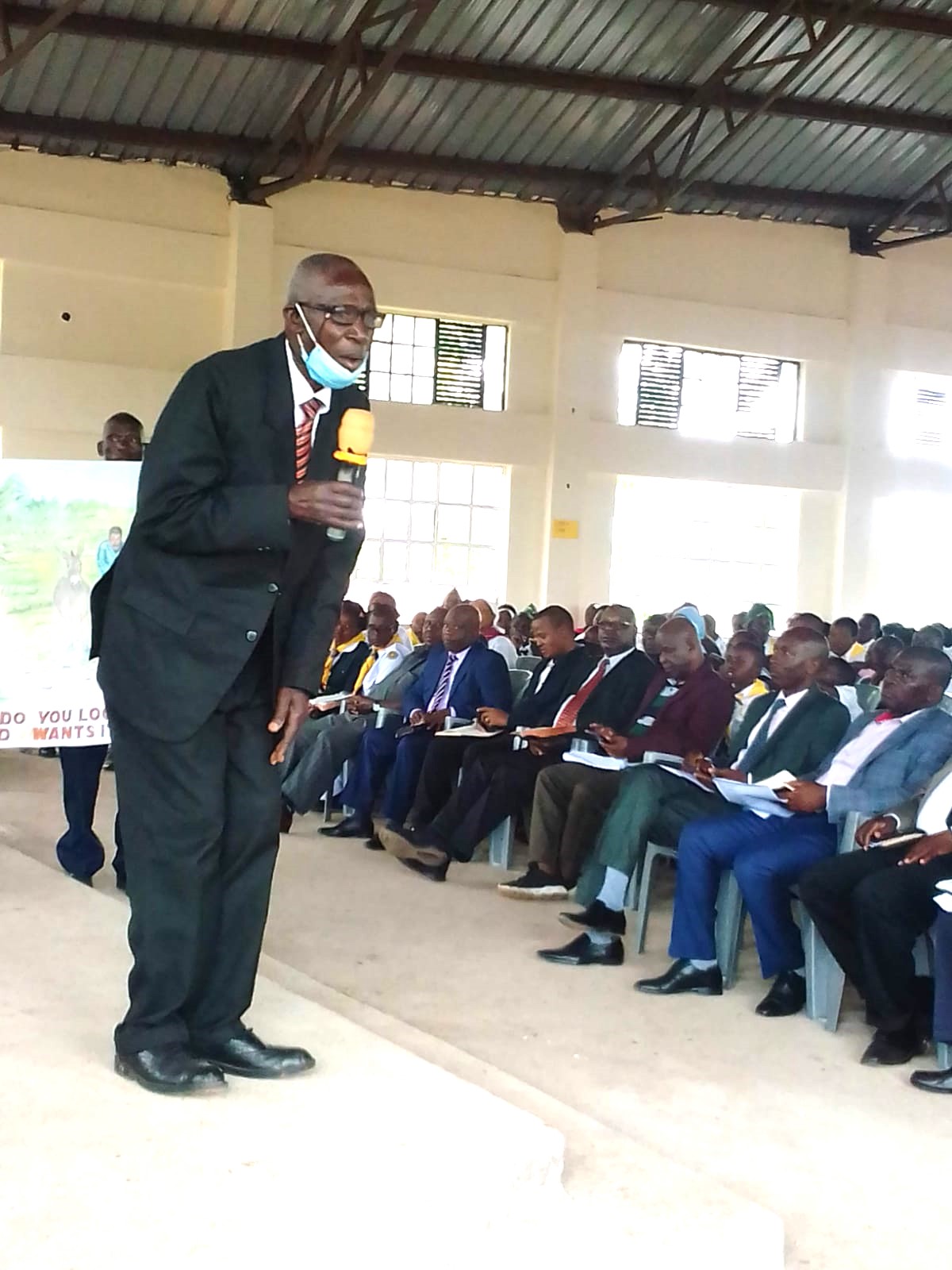
In his welcoming remarks, Deputy Principal Pharesh Ogallo emphasised the critical role of literature in shaping well-rounded, reflective, and morally conscious learners. He reminded students and staff alike that literature is not simply about reading stories but about understanding life, interpreting human behaviour, and appreciating ethical principles. “When learners witness characters grappling with dilemmas, making decisions, and overcoming challenges,” he observed, “they gain insights into their own lives and develop skills to navigate the complexities of today’s world.”
The performance was meticulously organised by teachers Joseline Matum, Jackline Koibei, and Edna Cherop, whose enthusiasm was matched only by the learners’ engagement. The teachers noted that the Milele performance created a fresh energy in the school environment. Learners appeared more reflective, motivated, and eager to relate the literary themes they had studied to real-life situations. These interactive experiences, the teachers explained, enhance comprehension, retention, and moral understanding, turning literature from an academic requirement into a living, breathing guide for life.
For Grade 7 learners, the journey into literature begins with Swahili novellas such as Mshale wa Matumaini. On the surface, this story recounts the familiar experiences of daily life, personal challenges, and moral dilemmas. Yet beneath its narrative, the novella is rich with lessons of hope, resilience, and perseverance. In a world where learners face mounting academic expectations, the influence of social media, and the uncertainties of growing up in a rapidly changing society, these themes are particularly significant. The Milele actors brought the characters’ struggles vividly to life through expressive gestures, dialogue, and emotional nuance, allowing learners to see not only the challenges but also the determination, sacrifices, and effort required to overcome them. Through this immersive experience, students internalised resilience as a practical life skill rather than an abstract concept.
Complementing the Swahili literature, English novellas such as Tears of Joy explore themes of courage, empathy, and emotional intelligence. In a world marked by inequality, diversity, and rapid technological change, understanding and practising these themes is vital. The characters’ journeys through moral dilemmas and personal trials offered learners an opportunity to develop insight into themselves and others. The Milele actors translated these lessons into palpable, emotionally charged scenes. Students felt the tension of ethical decisions, the warmth of human connection, and the power of empathy to resolve conflict and foster harmony. Through this experience, literature became not merely a subject to be studied but a tool to navigate the realities of contemporary life.
READ ALSO:
Why TSC should prioritise horizontal rather than vertical transfers of teachers
Poetry also played a central role in shaping imagination, moral reasoning, and cultural awareness. Collections such as Daughter of Nature and Other Poems and Melodies of Africa and Other Poems expose learners to themes of identity, morality, heritage, and environmental stewardship. During the Milele performance, actors used expressive modulation, gestures, and emotion to breathe life into each poem, enabling students to grasp the depth and symbolism of the language. When reciting poems that reflected the fragility of nature, learners did not merely hear words—they felt a moral responsibility to preserve the environment. When moral or cultural themes were enacted, students recognised the universality of ethical challenges and understood that literature connects the past, present, and future.
As learners progress into Grade 8, the literature curriculum deepens, addressing complex social and ethical themes. Swahili plays such as Wema Hauo explore community values, justice, social responsibility, and moral courage. In contemporary society, where communities face inequality, challenges in resource distribution, and moral conflicts, these lessons are invaluable. The Milele actors skillfully portrayed how individual choices affect both self and community, demonstrating integrity, fairness, and moral bravery in tangible, relatable ways. English short stories such as Bridges Without Rivers further reinforced cultural identity, conflict resolution, and personal growth, allowing learners to reflect on their role in society and the impact of their decisions. Witnessing these narratives enacted enabled students to relate directly to the characters’ experiences, fostering critical reflection and ethical understanding.
Grade 9 learners engaged with more sophisticated narratives, delving into reflective poetry and complex plays. Collections like Hodi Hodi Mashairi examined the human condition, societal challenges, humour, and moral reasoning, while English plays such as Last Laugh explored wit, resilience, and ethical reflection. These texts required learners to think critically about choices, consequences, and moral principles. The Milele actors’ enactments illuminated these narratives, showing students how humour can be a coping mechanism, courage can overcome fear, and empathy can resolve conflicts. Learners experienced the connection between literature and life, recognising that the lessons contained within stories are directly applicable to the world they inhabit.
The performance demonstrated that literature is not confined to classrooms or textbooks; it is a living, interactive experience. Themes such as hope and perseverance resonate with contemporary challenges, from personal struggles to societal pressures. Courage and empathy equip learners to engage thoughtfully in a diverse world, promoting understanding, cooperation, and compassion. Morality, ethical reflection, and social responsibility guide learners in making decisions that benefit both themselves and their communities. Cultural narratives remind students of the importance of heritage and identity, encouraging them to embrace their roots as they navigate a globalised society.
READ ALSO:
Through the Milele performance, learners were encouraged to grapple with conflict resolution and ethical dilemmas. They saw that choices have consequences, and the values learned through literature are not theoretical—they are tools for real-life problem-solving. Environmental stewardship, highlighted through poetry and dramatic enactment, instilled a sense of responsibility toward sustainable living. Humour, creativity, and resilience, exemplified in the performances, taught students the value of perspective in managing stress, adversity, and societal change.
The holistic impact of witnessing literature in action cannot be overstated. Learners internalised the themes intellectually, emotionally, and socially. By bridging the gap between text and reality, the Milele performance allowed students to experience lessons in hope, resilience, courage, empathy, morality, social responsibility, cultural identity, conflict resolution, and ethical reflection. They left with a renewed appreciation for literature—not merely as a subject but as a guide for life, offering wisdom and insight applicable to everyday experiences.
READ ALSO:
Catholic Diocese of Kitale launches Lenten campaign in West Pokot to promote peace, unity
Today’s young learners face unprecedented challenges. Rapid technological advancement, climate change, global interconnectedness, social inequality, and societal pressures demand thoughtful, reflective, and ethically grounded citizens. Literature, as presented in the KICD curriculum and brought to life by the Milele actors, equips students with the skills to navigate these realities. It fosters critical thinking, ethical awareness, emotional intelligence, cultural appreciation, resilience, and moral courage. Students learn that their choices and actions have ripple effects, shaping not only their futures but also the communities and societies they are part of.
In witnessing the Milele performance, Talau learners observed characters facing adversity, making difficult decisions, and navigating personal and communal challenges. They recognised that literature is alive, a dynamic reflection of human experience, a repository of cultural wisdom, and a guide for responsible action. These lessons are particularly vital in a contemporary world that demands balancing personal ambition with ethical responsibility, embracing diversity while maintaining identity, and responding creatively and compassionately to social and environmental challenges.
The Milele performance at Talau Comprehensive School affirmed that literature is not merely academic—it is transformative. It bridges imagination and reality, nurtures moral and emotional intelligence, and instils values that equip learners for life beyond the classroom. By bringing stories to life, the actors enabled students to engage with literature dynamically, fostering reflection, empathy, critical thinking, and practical understanding. Learners are left with the awareness that literature shapes not only minds but also character, preparing them to navigate the world with wisdom, courage, and compassion.
Talau Comprehensive School remains steadfast in its mission to nurture learners who are not only academically proficient but also morally grounded, socially responsible, and emotionally intelligent. Literature, coupled with performance, provides an unparalleled platform for this growth. As students continue to explore Swahili and English texts, they are equipped to face contemporary challenges with resilience, courage, empathy, and integrity, emerging as thoughtful, responsible, and capable leaders of tomorrow.
By Hillary Muhalya
You can also follow our social media pages on Twitter: Education News KE and Facebook: Education News Newspaper for timely updates.
>>> Click here to stay up-to-date with trending regional stories
>>> Click here to read more informed opinions on the country’s education landscape