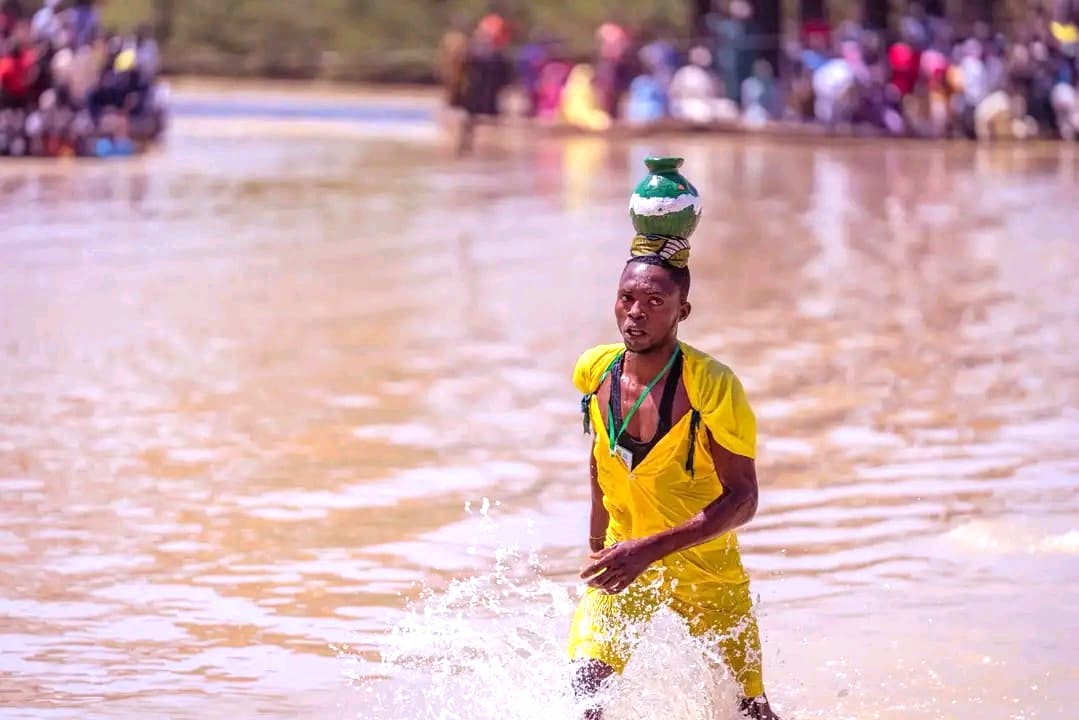
The Argungu International Fishing and Cultural Festival is often introduced to the world as a breathtaking spectacle — thousands of fishermen plunging into a river at the blast of a horn, hands sweeping beneath muddy waters in search of the largest catch. Cameras flash. Drums thunder. Crowds erupt. Yet beneath this dramatic surge lies something far more profound than competition. What unfolds in the historic town of Argungu, in Kebbi State, is not merely a cultural event. It is a living institution of learning. It is a university without walls.
For learners across Nigeria and beyond, the festival demonstrates that education is not confined to chalkboards, syllabi, and examination scripts. It breathes in rivers. It echoes in drums. It is preserved in practice.
At its heart, the festival affirms the intellectual value of indigenous knowledge systems. Modern education frameworks often elevate imported theories while overlooking the depth of local expertise. Yet Argungu boldly presents centuries of environmental science in action. The fishermen who enter the Matan Fada River do not rely on sonar devices or mechanical trawlers. They depend on observation — reading water currents, understanding breeding cycles, and predicting fish movement. This is biology shaped by experience. It is hydrology interpreted through memory. It is research conducted through generations.
When students witness this, they begin to understand a powerful truth: knowledge did not begin with modern textbooks. Their ancestors were scholars of land and water long before formal institutions existed. Such realization restores intellectual dignity to local heritage and strengthens cultural confidence.
The festival also serves as an immersive lesson in environmental sustainability. Fishing is traditionally regulated before the competition, allowing fish populations to regenerate. This practice mirrors contemporary ecological principles taught globally under the banner of sustainability. Yet here, sustainability is not theoretical — it is embedded in tradition. The community demonstrates restraint, balance, and stewardship. The river becomes a laboratory. The lesson becomes clear: prosperity depends on protection.
In a world increasingly challenged by climate change and resource depletion, Argungu teaches environmental ethics through lived practice. It shows learners that conservation is not a foreign doctrine but ancestral wisdom.
Economically, the festival transforms the town into a dynamic marketplace. Traders display woven fabrics, carved artefacts, culinary delicacies, and cultural memorabilia. Hotels fill. Transport services multiply. Small-scale vendors experience a surge in income. For students studying commerce, entrepreneurship, or development economics, this is a case study unfolding in real time. They observe supply meeting demand. They witness branding, pricing strategies, and customer engagement without a single PowerPoint slide.
Culture here is not static heritage; it is economic capital. It generates livelihoods. It stimulates rural development. It challenges the misconception that economic growth only emerges from urban industrial centres. Learners grasp that opportunity can be cultivated from identity.
Civic education also finds powerful expression in the ceremony. Historically strengthened as a peace-building initiative in 1934, the festival symbolises reconciliation and unity. Thousands gather not as divided groups, but as participants in shared heritage. Competition remains intense, yet discipline prevails. Rules are respected. Authority is acknowledged. Victory does not breed hostility. Such an order teaches citizenship. It reinforces that community cohesion is built on mutual respect.
In a diverse nation, this lesson is invaluable. Students observe unity enacted rather than preached. They witness governance working alongside tradition. They understand that culture can be an instrument of stability.
Intergenerational learning thrives at Argungu. Elders guide youth in preparing equipment, organising rituals, and understanding ceremonial protocol. Skills are transmitted through demonstration and participation. Young observers absorb patience, strategy, and discipline. This mirrors apprenticeship models widely recognised in educational philosophy. Knowledge flows naturally across generations, ensuring continuity.
Physical education, too, pulses through the festival. Canoe races demand stamina and coordination. Wrestling contests showcase strength and tactical thinking. Swimming competitions require endurance. These activities celebrate the body as much as the mind. They teach preparation, resilience, and respect for rules. Learners internalise the value of disciplined effort.
READ ALSO:
Strong winds rip through school in Narok as leaders push for permanent structures
Cultural literacy deepens as music, dance, attire, and storytelling unfold. Oral traditions are revived. Indigenous languages are heard with pride. Artistic expression becomes a vehicle of memory. Students exposed to such richness develop a sense of rootedness. Education devoid of cultural grounding risks producing detached minds. Argungu counters that risk. It demonstrates that global competence begins with local confidence.
The festival’s international recognition by UNESCO as Intangible Cultural Heritage further amplifies its educational significance. When learners realise that their community’s practices are celebrated globally, their perspective expands. Inferiority narratives dissolve. Pride strengthens ambition. Rural youth begin to see themselves as contributors to global civilisation rather than spectators.
Leadership lessons also emerge vividly. Organising an event attracting tens of thousands requires strategic planning, financial management, security coordination, and stakeholder collaboration. Students interested in governance or management witness complex project execution firsthand. They see traditional authority harmonising with modern administration. They learn that leadership demands foresight and accountability.
Most profoundly, the Argungu festival reinforces a philosophy central to transformative education: learning must be contextual. Concepts taught in classrooms become meaningful when reflected in lived experience. Sustainability is no longer abstract when viewed through the lens of fishing regulations. Economics becomes vivid when markets flourish. Civic responsibility becomes tangible when order prevails among thousands.
The ceremony inspires imagination. For many rural learners, witnessing national dignitaries and international visitors converge on their town heightens aspirations. It challenges the assumption that greatness resides elsewhere. It teaches that local heritage can command global attention.
Argungu is not simply about capturing the largest fish. It is about capturing wisdom. It is about understanding balance, identity, discipline, and cooperation. It is about recognising that progress need not erase tradition; rather, tradition can enrich progress.
When thousands surge into the river, they enact more than a contest. They enact the curriculum. They demonstrate that education thrives wherever curiosity meets culture. They prove that the community can be a classroom and the river can be a lecturer.
In an era where education systems grapple with relevance and engagement, the Argungu Fishing Festival offers a compelling model. It integrates science, economics, civics, leadership, culture, and physical development into one coherent experience. It teaches sustainability without diagrams. It teaches entrepreneurship without spreadsheets. It teaches unity without sermons.
The river continues to flow through Argungu, and with it flows a timeless lesson: authentic education is holistic. It develops the intellect, strengthens the body, nurtures identity, and builds community. It connects the past to the future.
And each year, when the horn sounds and the waters churn, the river once again becomes a university.
By Hillary Muhalya
You can also follow our social media pages on Twitter: Education News KE and Facebook: Education News Newspaper for timely updates.
>>> Click here to stay up-to-date with trending regional stories
>>> Click here to read more informed opinions on the country’s education landscape