Kenya’s Competency-Based Curriculum (CBC), introduced in 2017 and guided by the Basic Education Curriculum Framework from the Kenya Institute of Curriculum Development (KICD), represents a fundamental shift from the exam-focused 8-4-4 system to one that prioritises nurturing every learner’s potential through the development of core competencies such as communication and collaboration, critical thinking and problem-solving, creativity and imagination, citizenship, digital literacy, learning to learn, and self-efficacy. This approach draws heavily from constructivist theories, particularly those of John Dewey and Lev Vygotsky, which emphasise active participation, social interaction, scaffolding, and the zone of proximal development to make learning meaningful, experiential, and relevant to real-life contexts.
At the heart of CBC is a commitment to learner-centred education, moving away from traditional teacher-led, content-heavy instruction toward methods that encourage active engagement, hands-on exploration, and the application of knowledge in practical situations. Inquiry-based learning stands out as a cornerstone in which learners pose questions, investigate phenomena, conduct research, and draw conclusions through guided discovery. This method fosters curiosity, critical thinking, and independent problem-solving, aligning directly with CBC’s goal of producing engaged, empowered, and ethical citizens capable of navigating a rapidly changing world.
Closely aligned with inquiry is experiential learning, which involves direct participation in activities that allow learners to reflect on experiences and connect theory to practice. Dewey’s emphasis on education as growth through hands-on, participatory experiences underpins this approach, making it essential for CBC implementation across subjects. Learners engage in outdoor explorations, experiments, nature walks, field trips, and community interactions, which help them observe, manipulate objects, and apply concepts in authentic settings, thereby building competencies like creativity, self-efficacy, and environmental awareness.
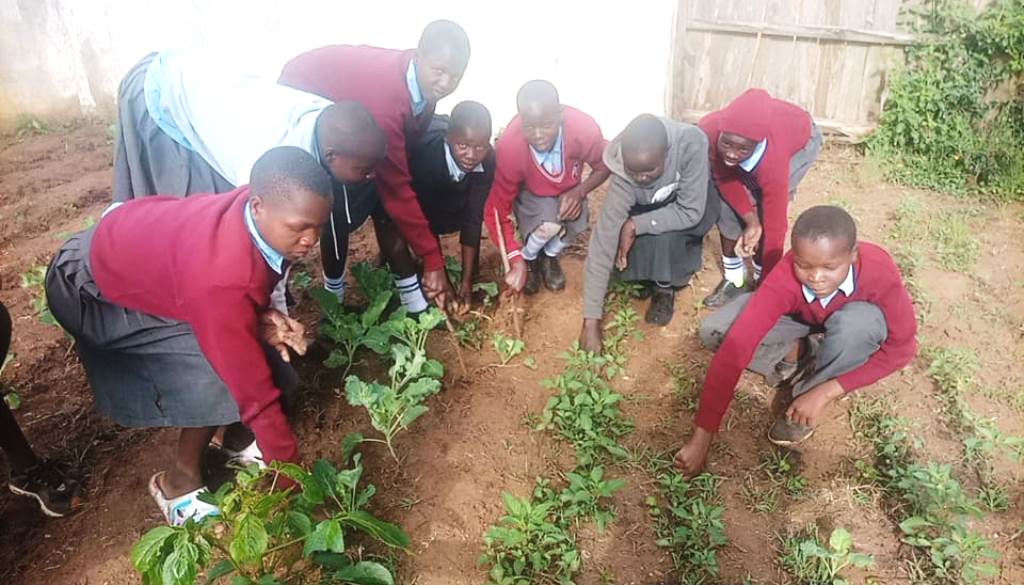
Project-based learning extends experiential principles by having learners undertake extended, real-world projects, often in groups or individually, to address community issues or practical tasks. These projects require planning, research, collaboration, and presentation, promoting deep understanding and the integration of multiple competencies. CBC encourages such activities to make learning relevant and holistic, with learners producing tangible outcomes that demonstrate mastery rather than mere recall.
Problem-based learning complements this by presenting authentic, open-ended problems or scenarios for collaborative resolution. Learners analyse situations, brainstorm solutions, test ideas, and reflect on outcomes, enhancing critical thinking, communication, and teamwork. This method aligns with CBC’s focus on higher-order skills and real-world application, preparing learners for challenges beyond the classroom.
READ ALSO:
Kisii journalists mark World Radio Day by honouring veteran broadcaster
Collaborative or cooperative learning plays a vital role in fostering interpersonal skills and shared responsibility. Through group work, peer discussions, and joint problem-solving, learners develop communication, empathy, respect for diversity, and citizenship values. CBC integrates this to build social competencies, encouraging interaction that mirrors societal cooperation and reduces individualistic competition.
Reflective learning encourages learners to critically examine their experiences, knowledge, beliefs, and values, promoting self-awareness and continuous improvement. This metacognitive practice, often linked to inquiry and experiential methods, helps learners internalise lessons and adapt their approaches, supporting the competency of learning to learn.
Differentiated learning ensures inclusivity by tailoring instruction to individual needs, paces, styles, and abilities, including for learners with special needs. Teachers adapt activities, provide scaffolding, and use varied resources to accommodate diversity, aligning with CBC’s equity goals.
Blended learning incorporates technology and digital tools alongside face-to-face methods, enhancing flexibility and engagement. With digital literacy as a core competency, this approach integrates ICT for research, collaboration, and creation, preparing learners for a digital world.
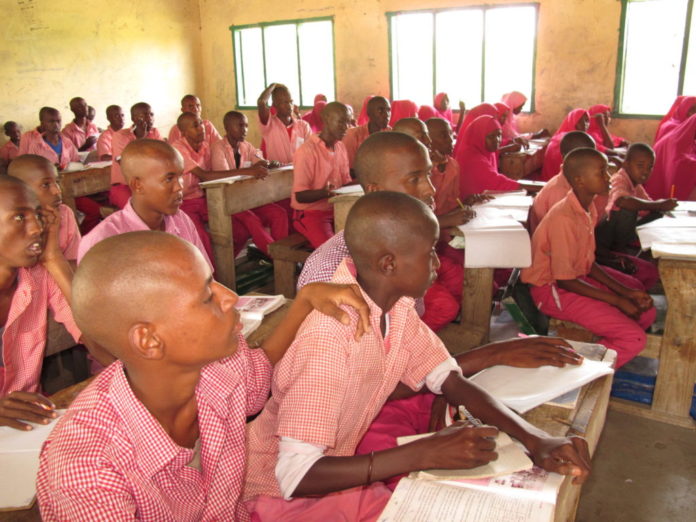
These pedagogical approaches interconnect seamlessly in CBC practice. A single lesson might combine inquiry to spark questions, experiential elements through hands-on tasks, collaboration in group work, and reflection for deeper insight, all assessed formatively to monitor competency growth rather than relying solely on summative exams. Community service learning and pertinent contemporary issues further enrich experiences, linking school to society.
Implementing these methods demands well-prepared teachers who facilitate rather than dictate, along with supportive resources, infrastructure, and parental involvement. While challenges like overload and training gaps persist, these learner-centred strategies collectively drive CBC’s vision of holistic, skills-oriented education that equips Kenyan youth for lifelong success, ethical citizenship, and contribution to national development. By embracing them, educators nurture not just knowledgeable individuals but competent, adaptable problem-solvers ready for the 21st century.
By Ashford Kimani
Ashford teaches English and Literature in Gatundu North Sub-county and serves as Dean of Studies.
You can also follow our social media pages on Twitter: Education News KE and Facebook: Education News Newspaper for timely updates.
>>> Click here to stay up-to-date with trending regional stories
>>> Click here to read more informed opinions on the country’s education landscape
>>> Click here to stay ahead with the latest national news.