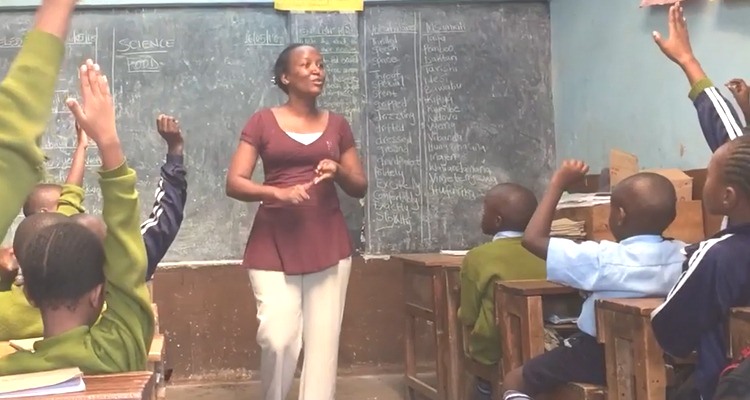
When we think of teachers, we often picture them standing at the front of a classroom, delivering lessons, marking scripts, or engaging students in discussion. These are the visible, tangible parts of their work—the moments that everyone sees and applauds.
But what many fail to recognize is that the true weight of teaching extends far beyond the walls of the classroom and the hours of the school day. Teaching is a calling that demands emotional resilience, personal sacrifice, and a mental load that few can imagine. What happens behind the scenes forms the invisible backbone of education.
Teachers carry a workload that is rarely acknowledged. They arrive early, stay late, and often spend nights at home preparing lessons, assessing work, or devising creative ways to engage their students. I remember visiting a school in a remote part of the county where one teacher had stayed up until 2 a.m., preparing visual aids for a lesson on fractions. By 6 a.m., she was back in the classroom, greeting students with a smile as if nothing had happened. The lesson went smoothly, the students were engaged, and yet no one saw the hours of dedication that made it possible.
The lesson plan that seems effortless to an observer is often the product of hours of careful thought, research, and adaptation. Every student comes with a unique learning style, a different emotional background, and individual challenges. To reach each learner effectively, the teacher must constantly adjust, innovate, and reflect—a process that is mentally exhausting and entirely invisible to those outside the profession.
Consider the late-night preparation that is part of almost every teacher’s life. While most of the world sleeps, teachers may be reviewing lesson plans, updating teaching resources, or researching methods to reach a student who struggles. This preparation is not merely academic; it is deeply personal.
ALSO READ:
Reprive as Elgeyo Marakwet County set to convert ECDE teachers to PnP by March 2026
Teachers think about how to connect with their students, how to make complex concepts understandable, and how to inspire curiosity in young minds. I recall a math teacher who spent nights creating step-by-step videos for her students struggling with algebra. Those videos transformed the learning experience, yet no one in the community knew about the time, energy, and personal creativity invested.
Beyond lesson preparation lies the emotional labor of teaching. Teachers carry the burdens of their students’ struggles as if they were their own. A child facing bullying, poverty, or family issues requires more than academic guidance. Teachers often spend emotional energy supporting these learners, listening to their fears, celebrating their small victories, and gently steering them back on course. One science teacher I know spends her lunch breaks quietly speaking with a student who lost a parent. She listens, consoles, and offers hope, then returns to her next class as if nothing happened. This emotional labor is invisible because it is neither documented nor rewarded, yet it shapes lives profoundly.
Classroom management is another dimension of this hidden workload. Handling a room full of diverse personalities, maintaining discipline without stifling creativity, and ensuring that every child feels seen and heard requires remarkable mental agility. Teachers juggle multiple tasks simultaneously: monitoring engagement, addressing conflicts, pacing lessons, and anticipating disruptions. I once observed a classroom where two students had a minor disagreement. The teacher diffused the situation in seconds with calm words and subtle intervention, allowing the rest of the lesson to continue uninterrupted. To the outside observer, it looked effortless, but the mental load behind those split-second decisions is immense.
The invisible duties of teachers extend further still. Beyond classroom responsibilities, teachers frequently coordinate clubs, organize events, mentor colleagues, or contribute to curriculum development. One principal told me about a teacher who single-handedly organized a school-wide environmental project, integrating lessons in science, civic responsibility, and art. The project transformed the school culture, yet at the end of the day, the teacher quietly returned to his normal schedule, with no public recognition for the extraordinary effort. These additional roles are vital to school functioning but often go unnoticed.
Moreover, teachers face the constant pressure to maintain an image of strength and competence. Even on days when they are tired, emotionally drained, or facing personal challenges, teachers are expected to present a calm, confident front. This expectation creates an additional invisible burden—a pressure to suppress their own needs and emotions while prioritizing those of their students. A young teacher once shared how she cried silently in her car after a tough day, only to walk into class moments later and teach with unwavering energy. This invisible strength is part of the extraordinary readiness the profession demands.
ALSO READ:
The personal sacrifices teachers make are profound. Many spend less time with families, postpone personal goals, and sometimes neglect their own well-being. I recall a teacher who skipped her own child’s school play to supervise exam preparation, knowing that the students’ success depended on her presence. The hours spent grading papers, preparing lessons, or attending meetings are hours taken away from personal pursuits, hobbies, and rest. Yet, these sacrifices form the foundation upon which student success is built.
Teachers also act as first responders in crises. Whether managing conflicts between students, supporting children facing abuse, or handling emergencies, teachers are often the first to step in. I visited a school where a student had a sudden health crisis during assembly. The teacher on duty remained calm, coordinated medical help, and comforted other students, all while ensuring learning continued for the rest of the school. These responsibilities, immense in scope, remain largely invisible to outsiders.
Despite these challenges, teachers remain deeply committed to their profession. Their work is driven by a desire to make a difference, to nurture potential, and to equip students with knowledge and life skills. Every lesson plan, every late night spent preparing resources, every moment of emotional support, contributes to shaping the next generation. Yet, it is rare for society to fully appreciate the depth of their effort.
Understanding the invisible workload of teachers is essential not only for respecting the profession but also for supporting it. Schools and communities must recognize that teaching extends beyond the classroom. Support systems, mental health resources, reasonable workloads, and genuine appreciation are vital to sustaining teachers’ well-being. Recognizing teachers as human beings with limits and needs does not diminish their professionalism; it strengthens it by enabling them to continue performing at their best.
Parents, too, play a role in acknowledging this hidden labor. By appreciating the effort behind lesson planning, understanding the emotional investment teachers make in each child, and respecting the boundaries of the profession, parents can foster a collaborative environment that enhances student success. Simple acts of recognition, gratitude, and support can go a long way in lifting the invisible burden teachers carry every day. I remember a parent-teacher day where a simple “thank you” card from a student brought tears to a teacher’s eyes, more than any award or accolade ever could.
In the end, teaching is a profession of extraordinary dedication and invisible work. The hours outside the classroom, the emotional labor, the mental juggling, and the personal sacrifices are as critical as the lessons taught in the classroom. Every successful student, every inspired learner, and every life changed is a testament to the unseen efforts of teachers.
So, the next time you see a teacher, remember: what you see is only a fraction of what they do. Behind every lesson, every smile, every student achievement, there is a story of unseen labor, quiet dedication, and unwavering commitment. Respect them. Support them. Appreciate them. And never forget the invisible workload that makes visible success possible.
By Hillary Muhalya
You can also follow our social media pages on Twitter: Education News KE and Facebook: Education News Newspaper for timely updates.
>>> Click here to stay up-to-date with trending regional stories
>>> Click here to read more informed opinions on the country’s education landscape