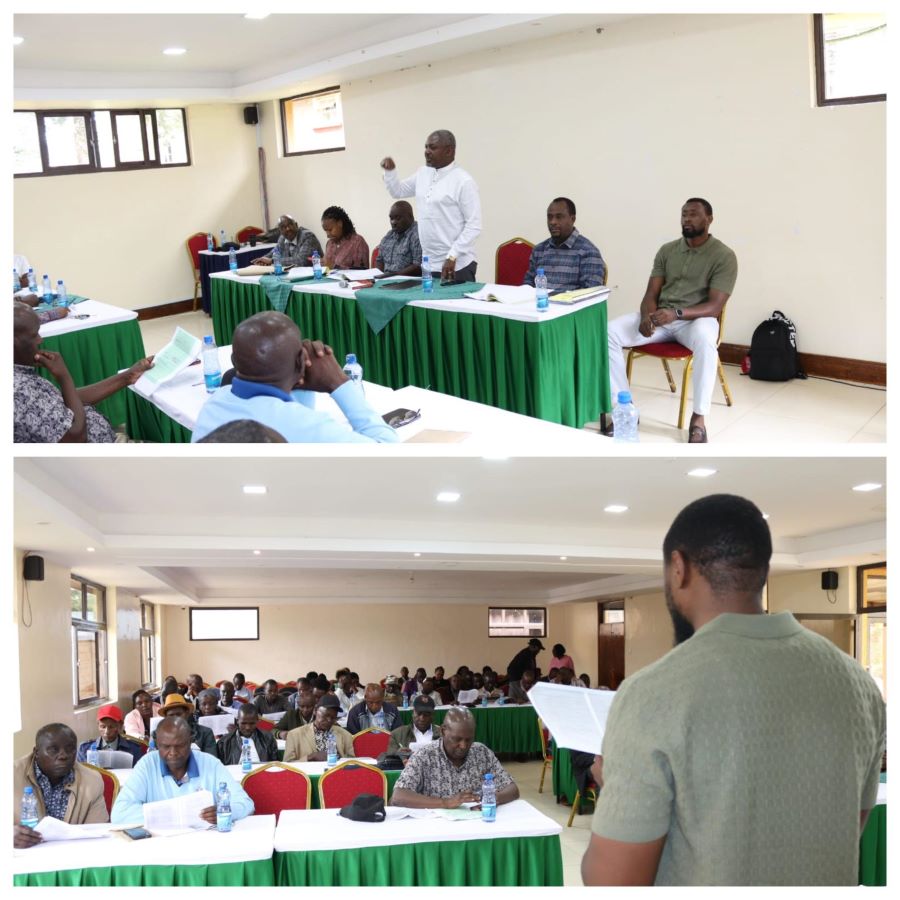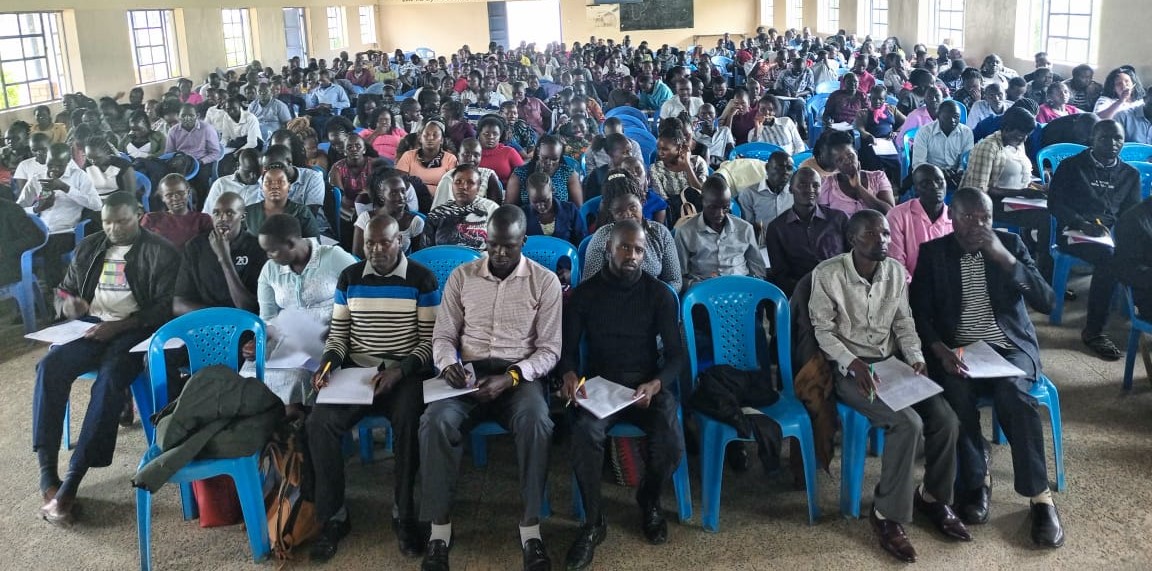
There is a comforting narrative making rounds in education circles: that once teachers are retooled, once slides are presented, once terminology is mastered, then senior school Competency-Based Education (CBE) is understood. It sounds efficient. It sounds organized. It sounds manageable.
But it is dangerously shallow. Retooling is an event. Senior school CBE is a transformation. And transformation does not happen because people attended a seminar.
At senior school level, CBE is not merely an extension of junior reforms. It is the decisive stage where learners define direction, identity, and economic relevance. It is where education stops being general exposure and becomes focused preparation. That shift alone demands far more than technical training.
For decades, the senior secondary experience revolved around examination performance and subject prestige. The hierarchy was clear. Sciences at the top. Humanities somewhere in the middle. Technical and creative areas often treated as alternatives of last resort. Learners were ranked. Success was narrow. Intelligence was standardized.
CBE disrupts that order.
Under the new structure, senior school learners pursue defined pathways aligned to their strengths and interests. STEM is no longer superior by default. Arts and Sports Science are not consolation tracks. Social Sciences are not filler options. Technical and vocational learning is not remedial. Each pathway is legitimate. Each pathway is strategic. Each pathway feeds into national development.
Understanding this shift requires educators to abandon invisible hierarchies they may not even realize they hold. Retooling can introduce pathway structures. But it cannot automatically dismantle decades of cultural bias. That work is internal. It is philosophical. It is uncomfortable.
ALSO READ:
Proposed exam law raises stakes for school heads, exam officials
Senior school CBE also demands a radical rethinking of assessment. Traditional systems rewarded recall. Notes were dictated. Exams were set. Marks were awarded. Rankings were published. The cycle was predictable and administratively tidy.
CBE insists that competence matters more than memory.
Learners must demonstrate what they can do, not just what they can repeat. Projects, research, innovation tasks, portfolios, community engagement, and problem-solving activities become central. Assessment is continuous and evidence-based. Mastery is emphasized over cramming.
Retooling can teach rubric construction. It can explain portfolio guidelines. But genuine understanding requires teachers to embrace formative feedback, iterative improvement, and qualitative judgment. It requires comfort with ambiguity and patience with process. It demands a shift from “finish the syllabus” to “develop the learner.”
That is not procedural change. That is cultural change.
The teacher’s role itself is redefined. In the traditional model, authority was anchored in content mastery and classroom control. In senior school CBE, authority shifts toward mentorship and coaching. Learners are expected to explore, question, create, and collaborate. They are encouraged to own projects and pursue inquiry beyond textbook boundaries.
A teacher who only understands CBE at surface level will still dominate discussion, rush coverage, and equate silence with discipline. A teacher who truly understands CBE will facilitate exploration, encourage dialogue, and guide reflection. That shift cannot be memorized from slides. It must be internalized.
Senior school CBE also connects education directly to the economy. Industry linkages, internships, attachments, innovation hubs, and real-world exposure are not optional decorations. They are structural components. Learning is expected to respond to market needs and societal challenges.
This requires schools to think strategically. Partnerships must be cultivated. Facilities must align with pathway demands. Career guidance must be robust. Teachers must remain informed about evolving industry trends.
Retooling may introduce the language of industry collaboration. But understanding requires initiative, networking, and sustained engagement. It requires leadership that sees beyond classroom walls.
ALSO READ:
Kiminini MP writes to CUE seeking consent to establish Trans Nzoia University
Policy literacy becomes critical as well. Senior school implementation involves alignment with tertiary institutions, national assessment reforms, and resource planning. Without deep understanding, schools risk misinforming parents, misallocating resources, or misaligning subject offerings with actual opportunities.
Retooling equips educators with compliance tools. Understanding equips them with strategic vision.
Perhaps the most delicate challenge lies in psychology. Many educators were trained and succeeded under the previous system. Their professional identity is tied to examination results, subject dominance, and competitive ranking. Letting go of that comfort zone is not easy.
Senior school CBE challenges long-held beliefs about intelligence and success. It recognizes multiple talents. It values practical competence alongside theoretical knowledge. It reduces the obsession with ranking and emphasizes mastery.
If teachers secretly cling to old definitions of success, they will unconsciously reproduce them. They may implement new terminology but maintain old attitudes. They may complete competency templates while still teaching for the exam. Reform will exist on paper but not in practice.
That is the greatest risk.
Parents, too, must be brought into this shift. Senior school choices influence life trajectories. Families accustomed to equating high grades with prestige may struggle to understand why diverse pathways are equally valid. Schools must communicate clearly, patiently, and consistently. They must educate communities about the meaning of competence, the value of varied excellence, and the logic behind pathway diversification.
Retooling prepares educators to operate within the framework. Understanding prepares them to defend it, explain it, and embody it.
ALSO READ:
Senior school CBE is the engine room of national transformation. It shapes the workforce, the innovators, the researchers, the artists, the entrepreneurs, and the skilled professionals who will define economic growth. Mishandling it will not simply affect classroom performance; it will affect national productivity.
That is why reducing it to workshops is a mistake.
Workshops have beginnings and endings. Transformation does not.
Transformation requires ongoing professional dialogue, reflective practice, courageous leadership, and collective conviction. It requires schools to build professional learning communities where teachers interrogate practice, share experiences, and refine strategy. It requires humility to admit what is not yet working and resilience to adjust course.
Senior school CBE is not a timetable adjustment. It is not a rebranding exercise. It is a restructuring of purpose.
If approached superficially, it will produce confusion. If embraced deeply, it will produce competence that withstands real-world scrutiny.
Retooling is necessary. It provides language and structure. But without mindset renewal, it becomes cosmetic.
Senior school CBE is not a workshop. It is a war on outdated assumptions about learning, intelligence, success, and relevance. And wars are not won by attendance. They are won by belief, clarity, and sustained commitment.
By Hillary Muhalya
You can also follow our social media pages on Twitter: Education News KE and Facebook: Education News Newspaper for timely updates.
>>> Click here to stay up-to-date with trending regional stories
>>> Click here to read more informed opinions on the country’s education landscape