Headteachers from public schools in West Pokot Sub-County have agreed to push for life skills in schools to curb rising dropouts, uneven academic and declining discipline among students.
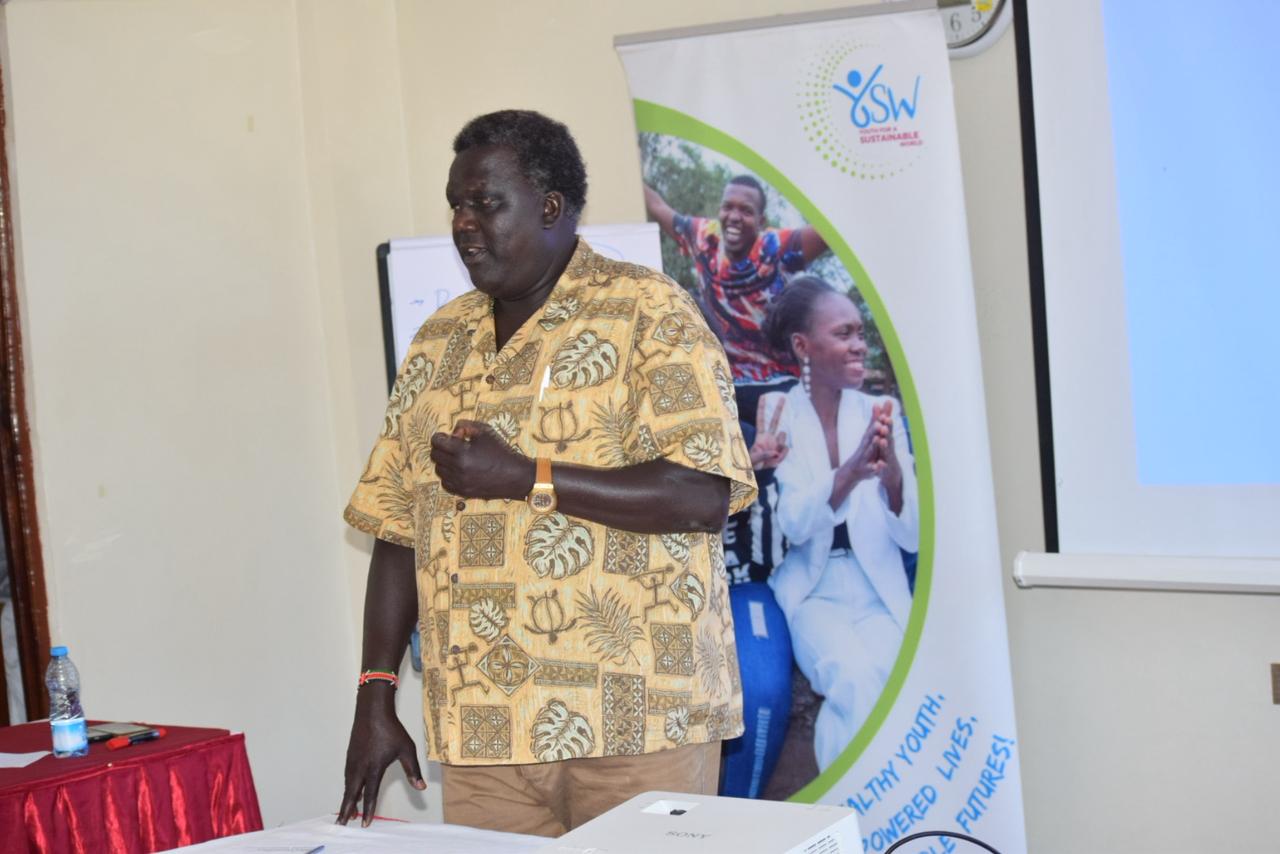
Speaking during a high-level education forum convened by Youth for a Sustainable World (YSW) at Kalya Hotel in Makutano, the school heads agreed that restoring learner wellbeing and academic focus demands more than syllabus coverage.
Despite differing environments, participants shared common concerns admitting that learners are growing up amid weakening traditional support systems, expanding exposure to harmful influences, and mounting social pressure that forces children to confront adult realities too early.
The forum brought together headteachers from a wide range of pastoral settings, including schools serving nomadic families, semi-settled communities, and fast-growing urban centres.
Opening the forum, the Kalya Hotel Manager welcomed participants and praised headteachers for prioritizing learner welfare alongside academic results.
He emphasized that schools must remain safe, structured environments where discipline, values, and character are deliberately nurtured. In pastoral regions affected by economic hardship and social instability, he observed, headteachers carry a responsibility that extends beyond administration into moral and community leadership.
The Sub-County Director of Education, Paul Kamas he challenged school leaders to rethink education holistically, warning that academic instruction without life skills leaves learners exposed and vulnerable.
ALSO READ:
According to Kamas, schools must intentionally equip learners with decision-making ability, emotional regulation, resilience, and the confidence to resist negative peer and societal pressure.
He noted that many challenges affecting learners originate outside school compounds but inevitably spill into classrooms and dormitories. “If schools do not deliberately teach life skills, other forces will,” he cautioned. He urged headteachers to embed life skills education into daily school life—not as a stand-alone lesson, but as a guiding philosophy reflected in teaching, discipline, mentorship, and school culture.
Headteachers openly acknowledged that the erosion of values has had a direct and visible impact on academic performance across the sub-county. Rising cases of absenteeism, indiscipline, teenage pregnancy, substance abuse, and early dropouts were cited as major disruptions to learning continuity.
Several schools reported weakened syllabus coverage, reduced classroom engagement, and inconsistent examination performance as social challenges increasingly intrude into learning spaces.
Participants noted that learners entangled in social vices often struggle with poor concentration, low motivation, incomplete coursework, and declining literacy and numeracy skills. Frequent interruptions to schooling—through temporary withdrawals or permanent dropouts—have widened learning gaps and undermined sustained academic progress. Headteachers agreed that without addressing these underlying social issues, academic interventions alone cannot deliver lasting improvement.
Representatives from Youth for a Sustainable World reinforced the link between learner wellbeing and academic outcomes. They emphasized that life skills education is not a distraction from academic learning but a prerequisite for it. Learners who are disciplined, emotionally stable, and goal-oriented, they argued, attend school more consistently, engage more actively in lessons, and perform better academically.
ALSO READ:
KNEC’s innovative ways of setting KCSE questions discourages rote learning
The forum identified six key social vices undermining education in pastoral communities. Early and forced marriage continues to cut short schooling, particularly for girls, while teenage pregnancy remains a leading cause of dropout and lost academic potential. Substance abuse, including alcohol and emerging drug use, was cited as a growing threat to discipline and concentration.
Cattle rustling and related banditry were also highlighted as persistent risks that lure young people away from school into cycles of violence. School absenteeism linked to migratory pastoral livelihoods continues to disrupt learning, while gender-based violence and harmful cultural practices expose learners to trauma that erodes confidence, participation, and academic performance.
Despite these challenges, headteachers shared evidence of progress in schools that have deliberately invested in life skills programs. Institutions that strengthened guidance and counseling, peer mentorship, learner leadership, and values-based discipline reported improved behaviour, better attendance, increased learner confidence, and steady gains in academic performance.
Parental involvement emerged as a decisive factor. Headteachers emphasized that academic improvement is more sustainable when values taught in school are reinforced at home. Participants called for stronger and more structured engagement with parents and guardians to promote shared responsibility for learner welfare.
Community partnerships were equally emphasized. Religious leaders, elders, and local administrators were identified as essential allies in reinforcing positive values. In pastoral settings where community influence remains strong, participants agreed that meaningful educational reform depends on alignment between schools and community leadership.
As the forum concluded, headteachers resolved to shift from reactive discipline to proactive prevention. They committed to embedding life skills education into teaching, daily routines, and extracurricular activities, recognizing that strong character and strong academic performance are inseparable.
By Hillary Muhalya
You can also follow our social media pages on Twitter: Education News KE and Facebook: Education News Newspaper for timely updates.
>>> Click here to stay up-to-date with trending regional stories
>>> Click here to read more informed opinions on the country’s education landscape