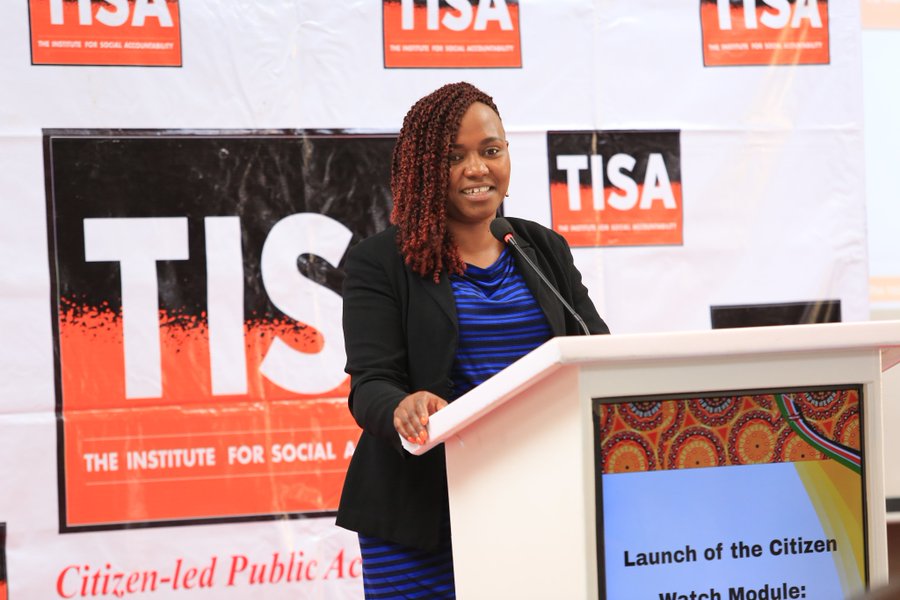
The Institute for Social Accountability (TISA) has raised alarm over the continued exclusion of children with disabilities from schools, saying the practice violates constitutional guarantees and undermines Kenya’s commitment to inclusive education.
In an official statement issued, the TISA cited a recent case in which a Grade 10 student was denied admission because the school lacked facilities for learners with disabilities. TISA described the incident as symptomatic of deeper structural failures.
“TISA notes that the denial of admission to learners with disabilities is not merely a ‘facility issue’ but rather a direct violation of the law and state obligation,” the statement read.
Kenya’s Constitution guarantees the right to education under Article 53 and access to inclusive institutions for persons with disabilities under Article 54. However, TISA argued that these protections have not translated into practice.
“If education remains a privilege for only a few, then it amplifies inequalities and will continue to hold families in perpetual poverty. Education is a basic right that every Kenyan child is entitled to as set out under Article 53 (1)(b) of the Constitution, yet it has been equated with success and wealth,” the statement said.
ALSO READ:
Nacada launches national essay contest to engage senior school students in drug abuse Prevention
TISA flagged worrying trends in government allocations, noting that Special Needs Education (SNE) funding has either stagnated or declined. Primary SNE funding fell from Sh1.53 billion in 2023/24 to Sh963 million in 2024/25, while secondary SNE funding has remained at Sh200 million despite rising costs. The Kenya Institute of Special Education (KISE) also saw its budget cut from Sh952 million in 2023/24 to Sh622 million in 2024/25.
TISA also warned that such cuts directly undermine the constitutional promise of equality and risk reversing gains made toward inclusive education. It added that disparities between urban and rural areas compound the problem, with children in marginalized regions facing fewer years of schooling and heightened exclusion due to poverty, distance, and lack of accessible infrastructure.
TISA noted that inclusion has not kept pace in the country’s education sector, leaving more than one million children out of school, many of them with disabilities. “Such cuts directly undermine the constitutional promise of equality, equity, and the right to education for learners with special needs, and risk reversing hard-won gains toward inclusive education in Kenya,” the statement read.
TISA also called on the government to implement affirmative action policies, enforce mandatory standards for inclusive education, and provide emergency and sustained funding for accessible infrastructure. It also urged prioritization of marginalized counties and schools serving learners with disabilities.
By Masaki Enock
You can also follow our social media pages on Twitter: Education News KE and Facebook: Education News Newspaper for timely updates.
>>> Click here to stay up-to-date with trending regional stories
>>> Click here to read more informed opinions on the country’s education landscape