In the Kenyan university ecosystem, the relationship between Vice-Chancellors (VCs) and part-time lecturers is often described as one of “convenient exploitation.” VCs, acting as the Chief Executive Officers of these institutions, are frequently blamed for systemic failures that leave adjunct faculty in precarious positions. They are blamed for several entrenched problems.
The most significant frustration is the Chronic Payment in Arrears (the “Wait and See” strategy), with unpaid claims ranging from five to ten years. There is systemic neglect, where VCs often prioritize “core” expenditures like full-time staff salaries, administrative costs, and infrastructure, leaving the “part-time claims” at the bottom of the pile. Some VCs are buying new university cars while sitting on claims without approval for a year or so. There is also a tendency of the “Lost Claim,” where lecturers often report that their payment claims “get lost” in the system, a bureaucratic hurdle that VCs are accused of failing to streamline.
VCs of most universities in Kenya have increasingly moved toward hiring part-time lecturers as a cost-cutting measure to manage the “massification” (huge student numbers) of higher education. There are no teaching benefits for these lecturers. Unlike full-time staff, part-timers do not receive health insurance, pension contributions, or house allowances.
ALSO READ:
Chepalungu MP pledges to push for hiring of more teachers to address shortage
The same part-time lecturers have no resources for teaching because VCs rarely authorize office space, official email addresses, or even access to staff common rooms or meals for part-timers, treating them like “ghost workers” who only exist during lecture hours, exam moderation, and exam supervision.
The allocation of teaching units is often handled by Department Chairs but overseen by the VC’s administrative policies. Regardless of non-payment of part-time claims, there is favouritism, where units are allocated based on loyalty or “kickbacks” rather than merit. There is also the tendency of the “11th-hour call,” where the majority of part-timers are contacted days—or even hours before a semester starts, giving them no time for pedagogical preparation, which VCs ignore as long as the class is “covered.”
Part-time lecturers are also suppressed from unionization. Some VCs frustrate part-timers by denying them a collective voice. Part-time lecturers are excluded from joining UASU and are generally not eligible to join the University Academic Staff Union. VCs and university management often hold a “blacklisting” power. If a part-time lecturer complains too loudly about unpaid dues or poor conditions, they are simply not called back for the next semester, instilling a fear of victimization among lecturers.
There is a tendency of the “Ph.D. carrot” and promotion deadlines, where VCs enforce Commission for University Education (CUE) guidelines strictly for part-timers but loosely for university-wide support. VCs demand that part-timers have Ph. Dsor be enrolled in one to be hired, yet the university offers no fee waivers or research grants to help them achieve those qualifications.
Full-time lecturers are also not exempt from this academic torture. The path to becoming a Senior Lecturer or Professor is often guarded by those who have already arrived. Sometimes, there are vague criteria, where senior faculty subtly shift the goalposts for promotion, demanding more publications or “contribution to the department” than officially required. In some departments, there is an unwritten rule that junior scholars must “wait their turn,” regardless of merit or research output. It is common for internal peer reviews of papers or promotion dossiers to sit on a senior colleague’s desk for months, sometimes years, stalling a younger scholar’s career.
Intellectual sabotage and credit theft are common in universities. In the “publish or perish” race, intellectual honesty can take a backseat to ego. Senior professors sometimes insist on being the “first author” or even the “corresponding author” on research they barely contributed to, simply because they provided the laboratory or funding.
If a junior scholar’s research findings challenge the long-held theories of a powerful senior “don,” the junior scholar may face ridicule during departmental seminars or find their funding blocked. Power in Kenyan universities is often concentrated in administrative roles—Deans, Chairs, and Directors. To frustrate a productive colleague, a Chair might assign a crushing teaching load, such as three or four units with over 500 students each, leaving no time for research. For many junior faculty members, their biggest frustrations are their own supervisors, who are also their colleagues.
ALSO READ:
Ruto defends current University funding model, says it’s based on student needs and ability
Some supervisors are perpetually “busy,” travelling for conferences or consultancies, leaving their supervisees in academic limbo for years. There are cases of academic bullying, where supervisors treat Ph.D. candidates-often lecturers themselves, like personal assistants rather than colleagues, sometimes demanding “tributes” or absolute subservience.Many public universities have been accused of sectionalism, where faculty members are favoured based on ethnic background or loyalty to particular political factions within the university.
Universities are slowly turning from centers of academia into a toxic “staffroom” culture. If a colleague is seen as a “management sycophant” or, conversely, a “troublemaker” for demanding rights, they may be socially isolated. In the close-knit circles of Kenyan academia, reputation is everything. Calculated rumours about a colleague’s “fake” journals or “unethical” conduct are sometimes used to destroy chances of winning grants or leadership positions.
Universities that were once seen as powerful research hubs have turned into hubs of academic crimes. Chronic underfunding and the massification of education have created a scarcity mindset, where colleagues view each other as obstacles to survival rather than partners in progress.
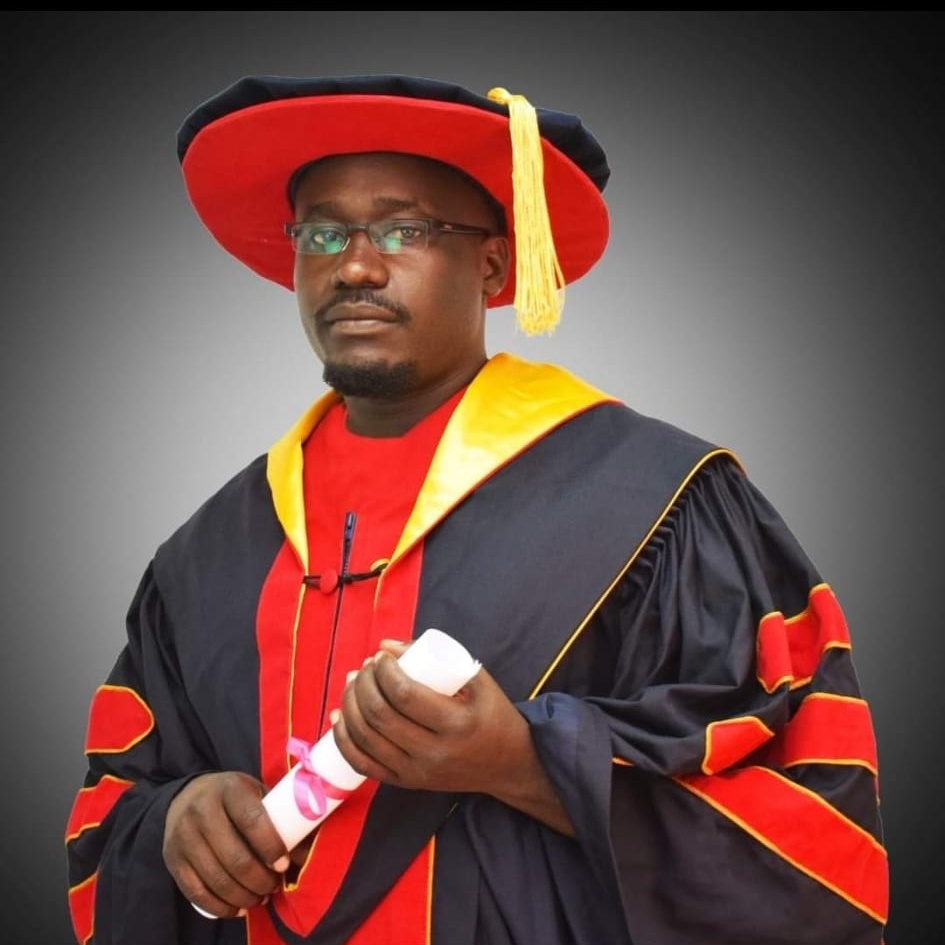
By Dr. Daniel Oigo (PhD)
The author is a Lecturer in Financial Economics
You can also follow our social media pages on Twitter: Education News KE and Facebook: Education News Newspaper for timely updates.
>>> Click here to stay up-to-date with trending regional stories
>>> Click here to read more informed opinions on the country’s education landscape