The discourse on gender-based violence and femicide in Kenya has rightly focused on the harrowing experiences endured by women: our mothers, sisters, and daughters. Yet, amid the anguish and trauma, one fundamental group remains largely overlooked: the children. These silent victims bear scars that are invisible to the public eye but profoundly destructive to their lives and futures. Their plight is rarely acknowledged in government reports, policy frameworks, or public debates, leaving them to suffer in silence while the cycle of violence perpetuates itself across generations.
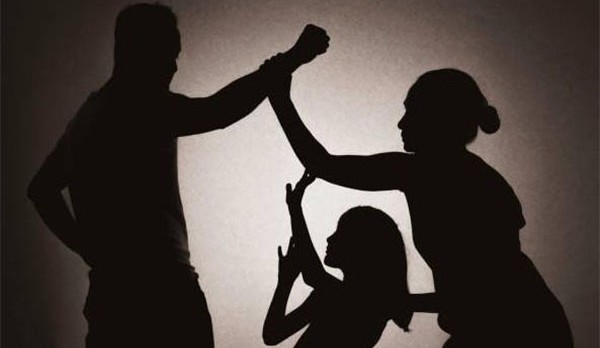
Children who witness violence against their mothers live in a perpetual state of fear and helplessness. They watch as the people they love most are brutalised, yet they lack the power to intervene. Each morning, they leave for school burdened with the dread that they may return to find their mothers dead. For those in boarding schools, the anxiety is even more acute, as they live with the constant fear of receiving a phone call announcing the unimaginable. This psychological torment manifests in classrooms where such children become withdrawn, timid, and plagued by low self-esteem. Others, unable to process their trauma, turn aggressive and violent, not because of inherent fault but because of the toxic environment they are forced to endure.
The case of the late Nigerian gospel musician Osinachi Nwachukwu illustrates this tragedy with painful clarity. Her children bore witness to the persistent violence inflicted upon their mother until her death. They later became star witnesses in the murder trial against their father. Imagine the devastation of children so young, bereft of both parents, one through death, the other through imprisonment. Their lives are permanently altered, their innocence shattered, and their futures clouded by grief and trauma. This is not an isolated case but a reflection of countless untold stories across Africa, including Kenya, where statistics on gender-based violence are staggering yet insufficiently addressed.
ALSO READ:
ECDE expert to present concerns over teacher training reforms to senate
In Kenya, the scale of GBV is staggering. Recent reports indicate that between 39 and 47 per cent of women experience gender-based violence in their lifetime. The Nairobi Women’s Hospital Gender Violence Recovery Center receives approximately 4,000 cases monthly, underscoring the persistence of the crisis. Femicide, the most extreme manifestation of GBV, has surged alarmingly. Between 2016 and 2024, over 930 female homicides were documented, with 628 classified as femicide, many perpetrated by intimate partners in the home. In 2024 alone, the country recorded its worst year for such killings, with 77 per cent involving known perpetrators, predominantly husbands or boyfriends. These murders do not occur in isolation; they frequently follow prolonged domestic abuse, and children often serve as primary witnesses. Their trauma is compounded by the loss of their mothers and the imprisonment of their fathers, leaving them bereft of both parents and condemned to a future shaped by grief and instability.
The effects of GBV on children are profound and multifaceted. Studies show that children exposed to domestic violence often suffer long-term emotional disorders, impaired cognitive development, and difficulties in forming healthy relationships. They carry unresolved trauma into adulthood, manifesting in depression, anxiety, substance abuse, or violent behaviour. The vicious cycle continues as damaged individuals become parents themselves, passing on the scars of their childhood to the next generation. This is how societies collapse from within, not through external threats but through the silent erosion of their moral and psychological fabric.
It is therefore imperative that the government and concerned authorities reexamine the issue of GBV with a sharper lens that includes children as central victims. Schools must be equipped with counsellors trained to identify and support traumatised learners. Social services must extend beyond perfunctory interventions to provide sustained psychological care for children affected by GBV. The judiciary and law enforcement agencies must prioritise cases involving domestic violence with urgency, recognising that delayed justice compounds the suffering of children. Above all, the government must allocate resources specifically to address the needs of these silent victims, rather than treating them as peripheral to the discourse.
Civil society and the media also bear responsibility. While campaigns against femicide and GBV have gained momentum, they often focus exclusively on women, leaving children invisible in the narrative. Advocacy must broaden to highlight the intergenerational consequences of violence, ensuring that the voices of children are heard and their needs addressed. The story of Osinachi’s children should serve as a sobering reminder that behind every headline of femicide lies a trail of broken lives, often those of the youngest and most vulnerable.
ALSO READ:
MoE orders verification of documents before funding newly registered Junior Schools
Kenya cannot afford to continue ignoring this reality. The silence of the government and other authorities is a betrayal of the nation’s future. Every child who grows up in the shadow of violence is a potential casualty of a system that failed to protect them. If the country is serious about breaking the cycle of GBV, it must confront not only the immediate brutality against women but also the silent suffering of children. Anything less is a dereliction of duty and a condemnation of generations yet unborn.
The time for platitudes and half-measures is over. The government must act decisively, not only to protect women but to rescue children from the silent torment that threatens to define their lives. To ignore them is to perpetuate a vicious cycle that will continue indefinitely, raising generations of damaged individuals and eroding the very foundation of our society. Kenya must choose whether to remain complicit in silence or to rise to the occasion and protect its most vulnerable citizens. The choice is stark, and the consequences of inaction are unforgivable.
By Newton Maneno
You can also follow our social media pages on Twitter: Education News KE and Facebook: Education News Newspaper for timely updates.
>>> Click here to stay up-to-date with trending regional stories
>>> Click here to read more informed opinions on the country’s education landscape